What Are Mechanical Pencils Used For?
Mechanical pencils are precision instruments that solve the annoyance of a constantly dull wooden tip. What are mechanical pencils used for? You'll find them in drafting studios, school desks, and architect offices worldwide.
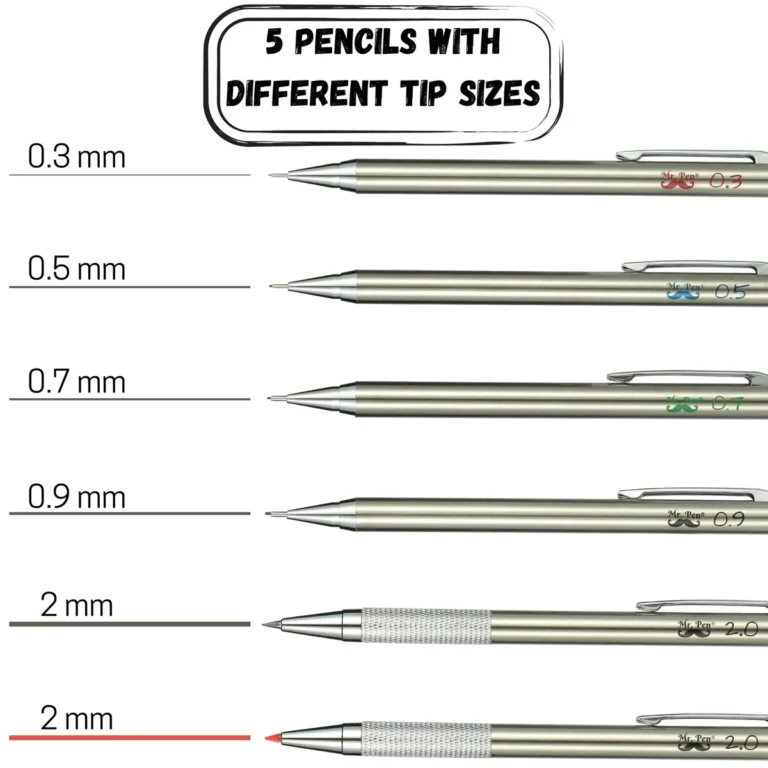
By feeding polymer lead through a precise internal clutch mechanism, these tools keep a uniform line width of 0.5mm or 0.7mm without needing a sharpener. Let us break down what makes these reliable pens tick and where they shine in everyday use.
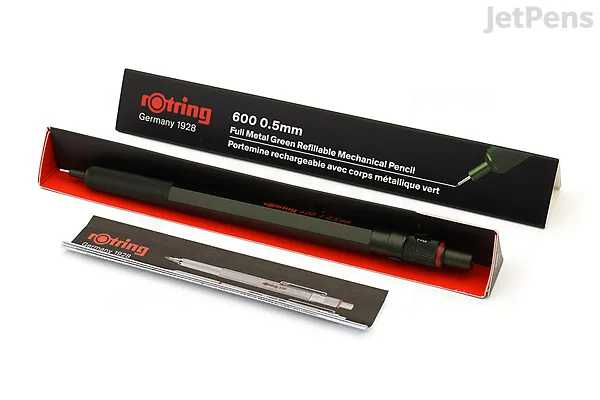
Image source: Bing (Web (fair-use with source credit))
Quick Answer
Mechanical pencils are used for precise writing, technical drawing, architectural sketching, and detailed fine art work. They maintain a consistent line width without sharpening. Their refillable graphite leads reduce waste.
They offer reliable performance for students and professionals.
Core Explanation / How It Works
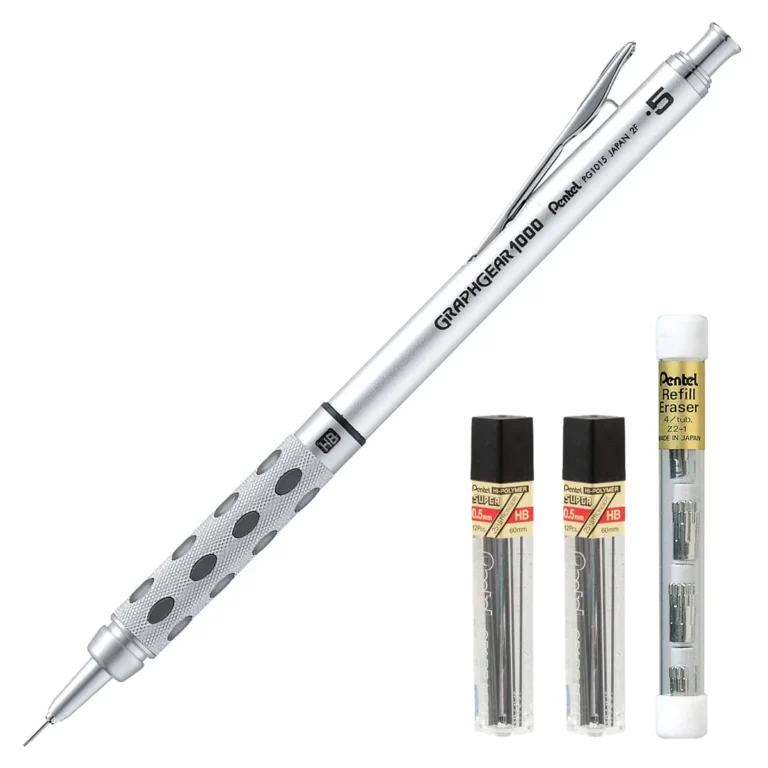
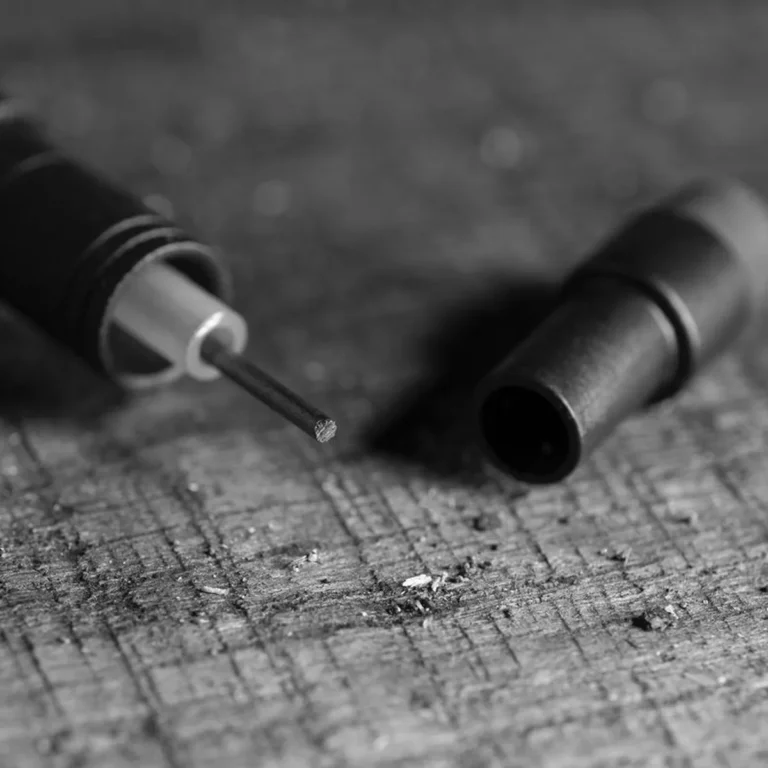
A mechanical pencil stores multiple graphite leads inside an internal plastic or metal chamber. When you click the top push cap, a tiny spring-loaded brass clutch at the tip opens up just enough to let a single stick of graphite slide forward. Releasing the cap clamps the clutch shut, locking the lead firmly in place against a fixed metal lead sleeve.
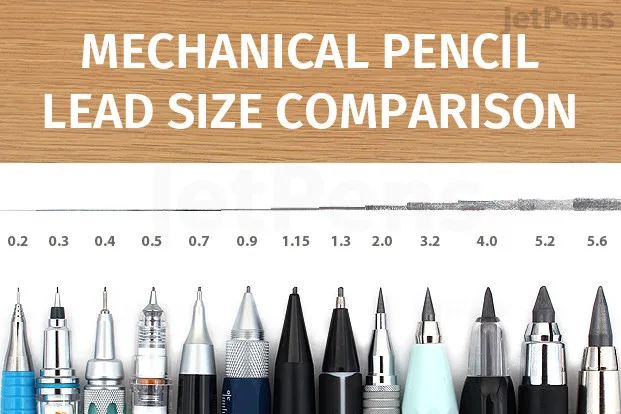
Image source: Bing (Web (fair-use with source credit))
Manufacturer specifications from organizations like the International Organization for Standardization show that standard polymer graphite grades range from very hard 4H to very soft 4B. Harder leads produce faint, clean lines for blueprinting. Softer leads lay down dark, expressive shades for shading illustrations.
Unlike wooden pencils that constantly wear down into a thick wedge, a mechanical tool keeps your line width identical from start to finish. If you want to dive deeper into student tools, check out this guide on reliable everyday pencils for school to see what options fit a standard backpack.
Use Cases / Best For / Who It's Right For
Architects and engineers rely heavily on fine mechanical pencils to draft clean blueprints, floor plans, and complex schematics. The fixed metal sleeve gives you an unobstructed view of the paper edge when you are working with rulers and triangles.
Image source: Bing (Web (fair-use with source credit))
Students tackling advanced calculus or organic chemistry appreciate how a 0.5mm lead handles tiny subscripts and cramped equation steps. Meanwhile, artists use softer 2B or 2H leads for precise cross-hatching and tonal control. If you are focused on creative illustration, you might want to look at specialised pencils for sketching and shading.
Comparison / Alternatives / Options
Choosing the right marking tool depends entirely on your daily tasks. Standard wooden pencils are cheap and forgiving, but they lose their point quickly and require a bulky sharpener. Digital styluses offer endless undo buttons for tablet users, yet they lack the physical tactile feedback of graphite on heavy bond paper.
| Tool Type | Best For | Main Advantage | Main Drawback |
|---|---|---|---|
| Mechanical Pencil | Drafting, math, note-taking | Consistent line, never needs sharpening | Thin lead snaps under heavy pressure |
| Wooden Pencil | Standard writing, sketching | Cheap, sturdy, easy to grip | Wears down quickly, requires sharpening |
| Leadholder | Heavy art, shading | Thick 2.0mm lead mimics wood pencils | Requires a dedicated lead pointer |
| Digital Stylus | Tablet drawing, digital notes | Integrates with apps, infinite colors | Needs charging, lacks real paper friction |
For advanced drawing tasks where a standard fine point feels too restrictive, a heavy-duty leadholder acts as a direct bridge between traditional wood pencils and modern mechanisms. You can also explore top-tier writing instruments for 2027 to compare high-end brass drafting bodies against lightweight polymer models.
Step-by-Step Process / How to Guide
Loading and maintaining your mechanical pencil keeps the internal clutch operating smoothly for years. Follow these quick steps to reload your graphite without jamming the mechanism.
- Twist off or pull away the small push cap located at the top of the pencil barrel.
- Remove the tiny eraser plugged into the top of the lead reservoir.
- Drop two or three new graphite leads straight down into the metal or plastic storage tube.
- Replace the eraser snugly and pop the push cap back onto the top.
- Click the cap a few times until the new lead advances cleanly through the metal tip.
If your pencil jams, never force a thick lead into a thin 0.3mm tip. Manufacturers like Pentel design their drafting tools with precision tolerances that demand matching lead sizes to avoid internal blockages.
Mistakes to Avoid / Common Errors
Using a mechanical pencil incorrectly leads to snapped leads, stripped clutches, and frustrating paper tears. Avoid pressing down too hard on the paper during drafting or writing tasks. Thin 0.3mm graphite breaks instantly under heavy hand pressure, so let the balanced weight of the metal barrel do the work for you.
Never store your drafting pencil with the metal lead sleeve extended unprotected in a deep backpack pocket. Dropping the instrument onto a hard floor bends that tiny brass sleeve instantly, rendering the pencil completely useless until you replace the tip. Always retract the tip completely before tossing the tool into your bag or desk drawer.
Avoid mixing cheap chalky graphite sticks into high-end Japanese drafting mechanisms. Low-quality lead crumbles inside the internal brass clutch and forms stubborn blockages that require a cleaning wire to clear out. Match your lead brand to your pencil manufacturer whenever possible to keep the advance mechanism running smoothly.
Frequently Asked Questions
Which mechanical pencil lead size is best for daily note taking?
A 0.5mm or 0.7mm lead size works best for everyday writing and student note-taking. The 0.5mm variant offers crisp lines for neat handwriting in tight margins, while the 0.7mm option provides extra structural strength for heavier handed writers who tend to snap thinner graphite.
Why does my mechanical pencil keep jamming?
Lead jams usually happen when broken graphite shards get trapped inside the brass clutch mechanism. You can clear this blockage by removing the eraser and pushing a fine cleaning pin down through the tip from the front opening, or by shaking out any tiny leftover lead fragments.
Can you use colored lead in any mechanical pencil?
You can use colored polymer leads in most mechanical pencils as long as the diameter matches your specific barrel size. Keep in mind that colored leads are typically wax-based and softer than standard graphite, meaning they break more easily and require a lighter touch.
How do you fix a bent lead sleeve?
A severely bent brass lead sleeve cannot be safely straightened without breaking the metal tubing entirely. Professional drafting pencils feature replaceable tips or screw-off nose cones, allowing you to swap out the damaged front assembly rather than buying a brand new tool.
Are mechanical pencils more cost effective than wooden pencils?
Mechanical pencils offer long-term cost efficiency because you only buy the durable outer body once and refill it with inexpensive polymer lead tubes. While the initial upfront cost is higher than a bulk pack of wood pencils, you never waste graphite to a pencil sharpener.