Is 0.5mm or 0.7mm Better for Writing?
Choosing between pen tip sizes can make or break your handwriting comfort. Deciding whether 0.5mm or 0.7mm is better for writing depends entirely on your natural hand speed, paper preference, and letter size.
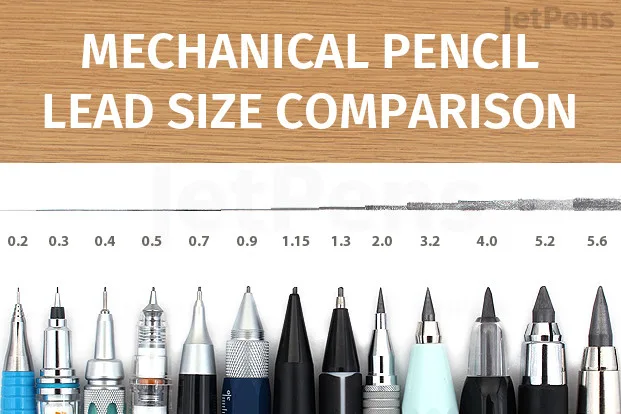
Global stationary manufacturing standards, established by organizations like ISO, measure these tips by the diameter of the ball or lead in millimeters. Let's look at how these two popular sizes stack up on the page.
Quick Answer
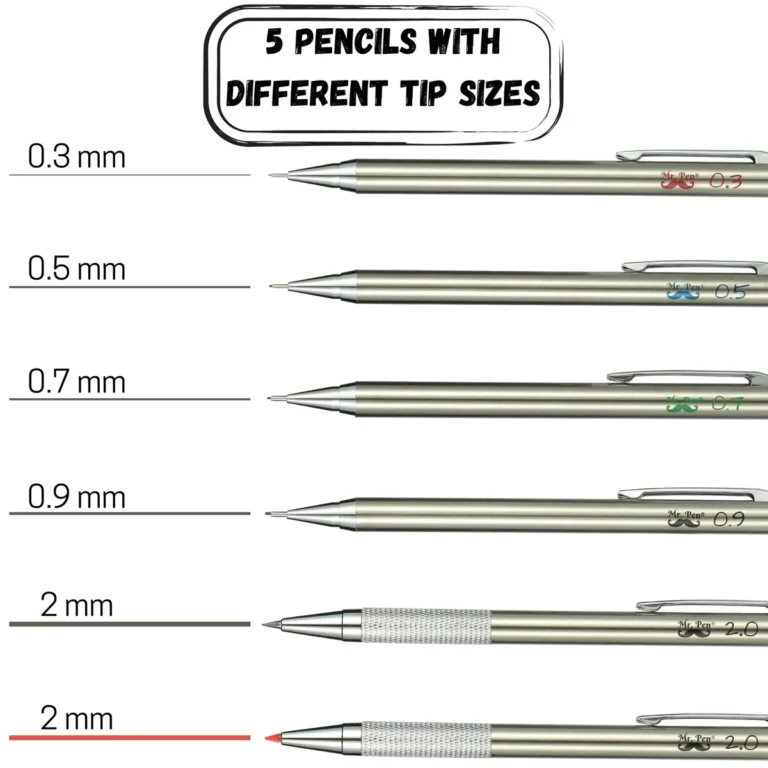
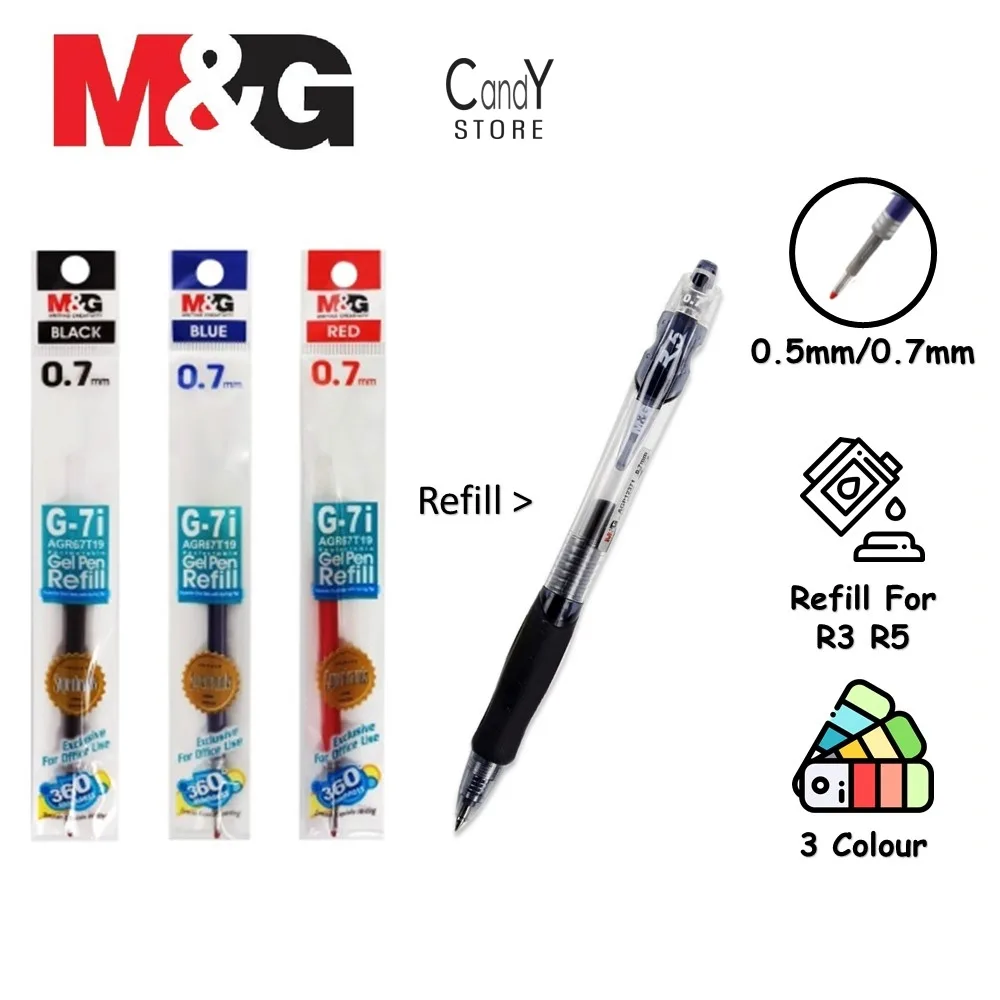
The 0.5mm tip gives fine, precise lines. It suits small handwriting. The 0.7mm tip delivers smooth, bold strokes.
It works best for fast note-taking. Choose 0.5mm for tight margins. Choose 0.7mm for relaxed, everyday writing.
Why Pen Tip Size Actually Changes Your Handwriting
Pen tip size alters how ink transfers to the page. A narrower tip concentrates pressure onto a smaller surface area. This creates sharper friction against the paper fibers.
If you write with tight loops and small letter forms, a fine point keeps your words legible.
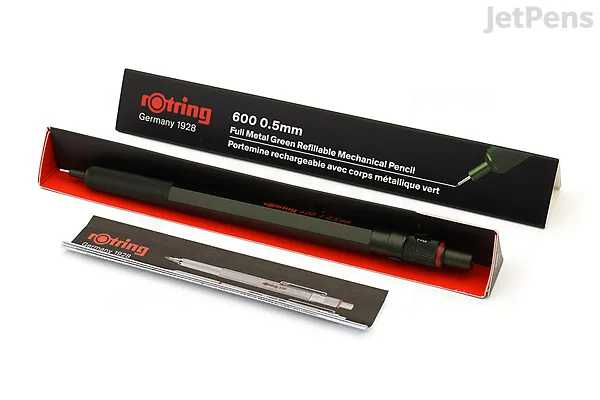
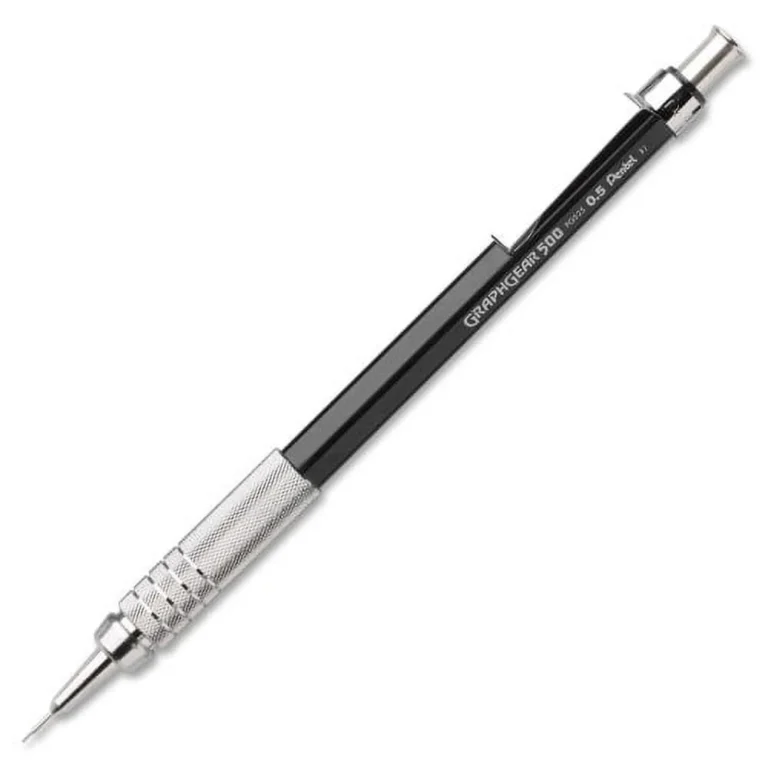
Wider tips distribute pressure across a larger ball. This increases ink flow and reduces physical drag. If you want to check out top-rated writing tools before buying, you can browse reviews of the best mechanical pencil options to see how different barrel styles pair with these tip sizes.
Paper weight also interacts directly with tip size. Thin copier paper below 70 GSM tends to catch fine tips. A heavier sheet handles liquid ink much better without feathering.
Matching your tip size to your daily paper stock solves most skipping issues.
The Case for 0.5mm: Precision, Control, and Clean Lines
The 0.5mm tip is the go-to choice for detailed work and tight spaces. Technical drawing, dense journal layouts, and small accounting ledgers benefit immensely from this level of precision.
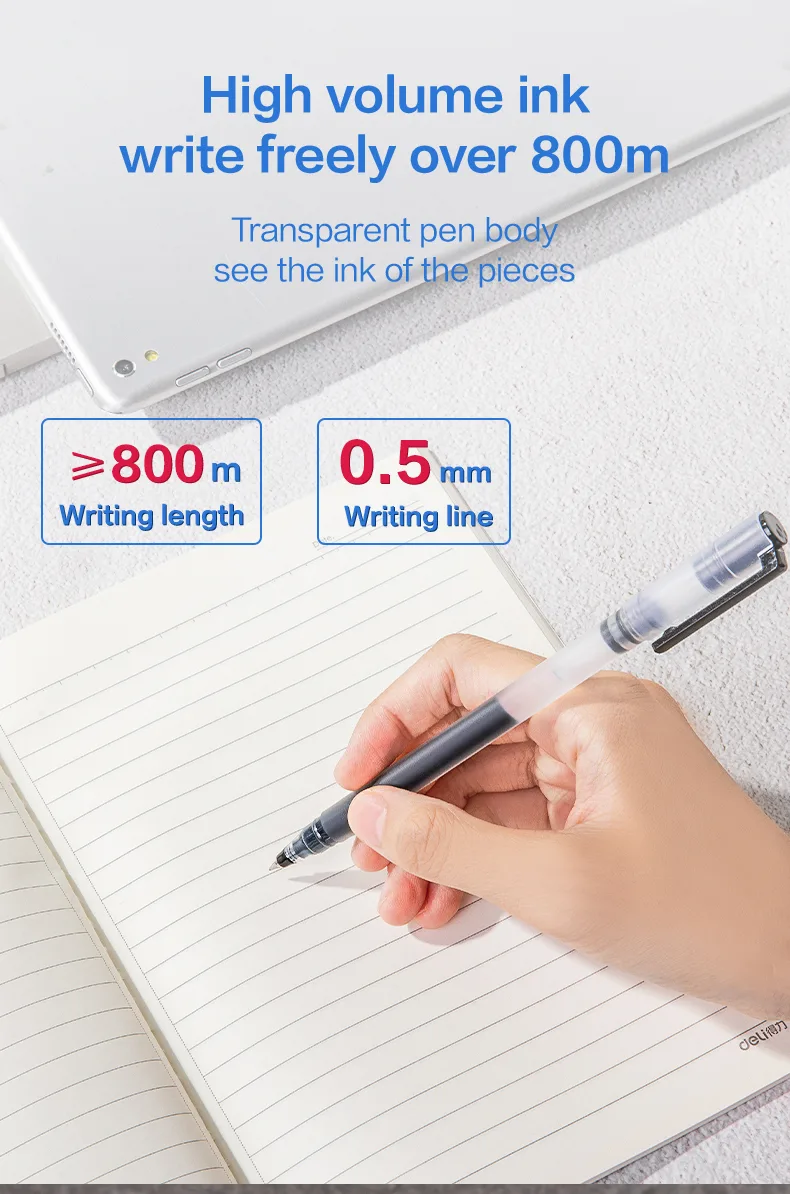
When you write in cramped planners, a fine point keeps letters from bleeding into solid smudges. Students taking physics notes or drawing diagrams often rely on this size. If you need a reliable instrument for complex notes, exploring a curated list of the best mechanical pencil for students will show you several options optimized for 0.5mm leads.
However, 0.5mm tips have distinct drawbacks. They offer more paper feedback, which some writers describe as scratchy. If you press down hard while writing, a fine tip can catch on cheap paper or even tear the surface.
| Feature | 0.5mm Tip | 0.7mm Tip |
|---|---|---|
| Line Width | Fine and crisp | Medium and bold |
| Best Paper | 80 GSM or higher | Standard 70+ GSM |
| Hand Speed | Controlled and measured | Fast and fluid |
| Smudge Risk | Lower ink volume | Higher ink volume |
The Case for 0.7mm: Smooth Glide, Boldness, and Less Hand Fatigue
The 0.7mm tip is the undisputed champion of everyday comfort and speed. Aggregate reviews and office surveys show it as the most common default size worldwide.
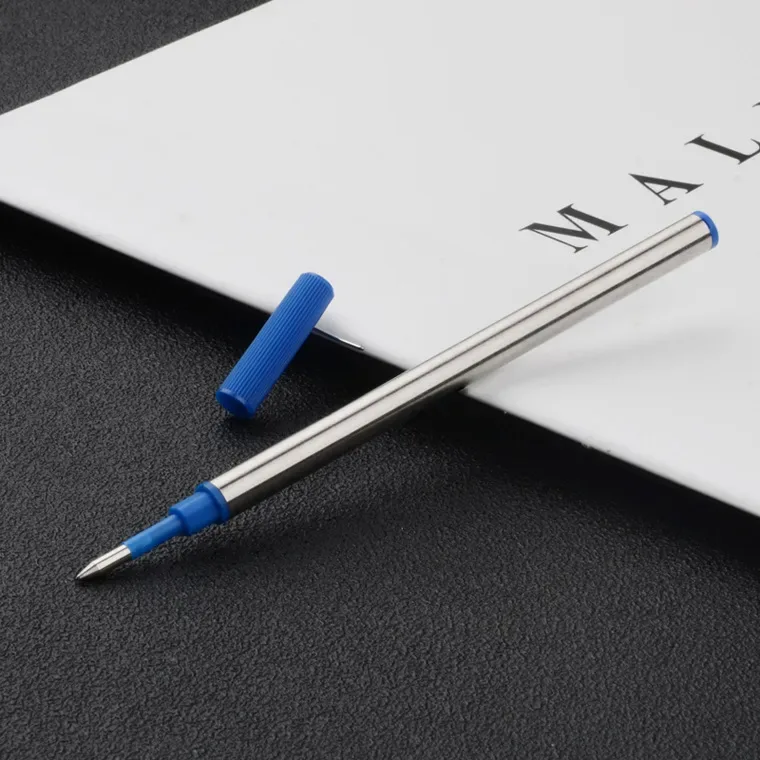
The wider ball rolls effortlessly across almost any paper surface. This smooth glide reduces hand fatigue during long writing sessions. Fast cursive writers love how the ink flows without catching on rough fibers.
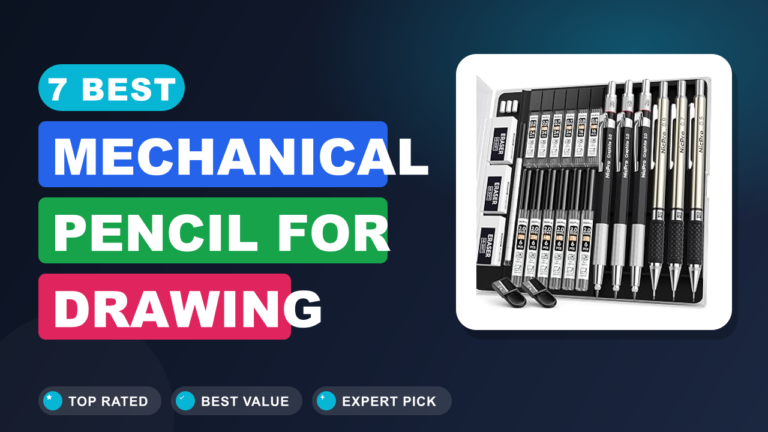
Artists and sketchers also favor this size for shading work, and you can find specialized tools by reviewing the best mechanical pencil for drawing.
The main downside of 0.7mm is its tendency to bleed on thin paper. The heavier ink output takes longer to dry. Left-handed writers often struggle with smudging when using a 0.7mm gel or rollerball pen.
Side-by-Side: 0.5mm vs. 0.7mm Head-to-Head Comparison
Comparing these two sizes reveals clear operational differences. The 0.5mm excels at spatial economy, letting you fit more words onto a single notebook page. It keeps complex equations and shorthand notes readable.
The 0.7mm wins on sheer tactile pleasure. It requires less downward pressure to leave a dark, visible mark. This makes it easier on your joints if you write for hours at a time.
Consider your physical writing posture. If you hover your hand and write with your fingers, 0.5mm gives you the control you need. If you sweep your whole arm across the page in loose strokes, 0.7mm matches that momentum.
Choosing the Right Tip for Your Paper and Writing Style
Your choice between these two sizes depends heavily on the paper you use every day. Cheap copy paper absorbs ink quickly, causing 0.7mm lines to feather and expand. If you mostly write on standard office pads, a 0.5mm tip keeps your handwriting sharp and contained.
Switching to premium notebooks with higher weight ratings changes the equation. Paper rated at 90 GSM or higher handles heavy ink flow without soaking through to the back of the page. That lets you enjoy the smooth glide of a 0.7mm tip without ghosting issues.
Your natural writing pressure matters just as much as your paper stock. If you have a heavy hand, a 0.5mm lead or needle point might snap or dig into the page. Writers who apply heavy pressure generally find 0.7mm much more forgiving and durable.
Common Paper and Smudging Pitfalls to Avoid
Smudging remains the top frustration for writers using wider pen tips. Gel inks and rollerballs in 0.7mm lay down a thick layer of liquid that takes several seconds to dry. Left-handed writers often drag their palm right through this wet ink trail.
Feathering is another common issue when pairing the wrong tip with absorbent paper. When fibers pull ink outward, your crisp lines turn fuzzy and illegible. To prevent this, you can check official paper standards via the National Institute of Standards and Technology for guidelines on material density and absorbency ratings.
Skipping happens when fine 0.5mm tips encounter dust or natural skin oils on the page. Keeping your writing surface clean solves most skipping problems instantly. Storing pens vertically also ensures consistent ink distribution to the tip.
Frequently Asked Questions About Pen Tip Sizes
Is 0.5mm better for small handwriting?
Yes, 0.5mm tips excel at small handwriting. The fine line prevents closed loops in letters like 'e' and 'a' from filling in with ink. This keeps dense notes and compact journals readable.
Do 0.7mm pens run out of ink faster?
Yes, 0.7mm pens consume ink faster than 0.5mm pens. The wider ball dispenses a larger volume of ink with every stroke. Cartridges deplete noticeably quicker during heavy daily writing.
Which tip size is best for left-handed writers?
Left-handed writers often prefer 0.5mm tips because they lay down less ink. Fast-drying fine lines reduce the chance of smudging your palm across fresh words as your hand moves right.
Can you use 0.5mm pens for calligraphy?
Calligraphy generally requires flexible nibs that produce thick and thin lines based on applied pressure. Standard ballpoint or rollerball tips in 0.5mm maintain a uniform stroke width. They work well for faux calligraphy, but true flexible expression needs specialized fountain pen nibs.
Why do some brands write thicker than their stated size?
Ink viscosity and paper absorption change the apparent line width. A wet ink formula spreads further into paper fibers than a dry paste ink. A 0.5mm gel pen often produces a wider mark than a 0.5mm ballpoint pen using oil-based ink.
How do you stop a fine pen tip from scratching?
Scratchiness usually stems from holding the pen at too steep of an angle against the paper. Lowering your grip angle lets the ball roll smoothly instead of dragging the metal edge. Using smoother paper stock also eliminates physical resistance.
Final Verdict: Which One Should You Actually Buy?
Choosing the ideal tip size comes down to matching your physical habits with your daily writing materials. If you write in cramped notebooks, love tiny lettering, and use smooth paper, the 0.5mm tip serves you best. It keeps your workspace clean and your dense notes readable.
If you value effortless glide, write quickly in cursive, and use standard paper pads, the 0.7mm tip delivers superior comfort. It reduces hand fatigue and makes long writing sessions much easier on your joints. Take a look at your current notebook stash and pick the size that complements your paper stock.