Are Mechanical Pencils Worth Buying?
Deciding whether to upgrade your writing tools involves looking past the initial hype of fancy stationery. Are mechanical pencils worth buying for everyday use, or are traditional wooden options still the best choice?
We explore how these refillable writing instruments stack up against wood-cased pencils. Let us break down the costs, mechanics, and real-world performance to help you decide.
Quick Answer
Mechanical pencils are worth buying for precise writing. They never need sharpening. Line width stays completely consistent.
Upfront costs are higher. Long-term use saves money.
Why the Mechanical Pencil Debate Matters
You might wonder why a simple writing tool sparks such strong opinions. Walk into any classroom or engineering office, and you will see a fierce divide between wooden pencil traditionalists and mechanical pencil loyalists. The debate centers on convenience versus reliability.
Wood-cased pencils offer a nostalgic feel and cheap bulk pricing. They also require constant sharpening. Mechanical pencils eliminate the pencil sharpener entirely.
They deliver consistent line width from the first word to the last.
Our editorial research shows that stationery consumers often overspend on disposable plastic variants that break easily. Investing in a durable metal-bodied writing tool changes the equation. You get better ergonomics and less plastic waste.
Mechanical Pencils vs. Traditional Wood Pencils Head-to-Head
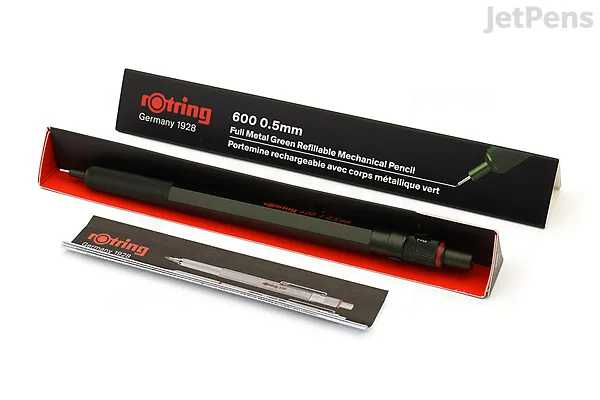
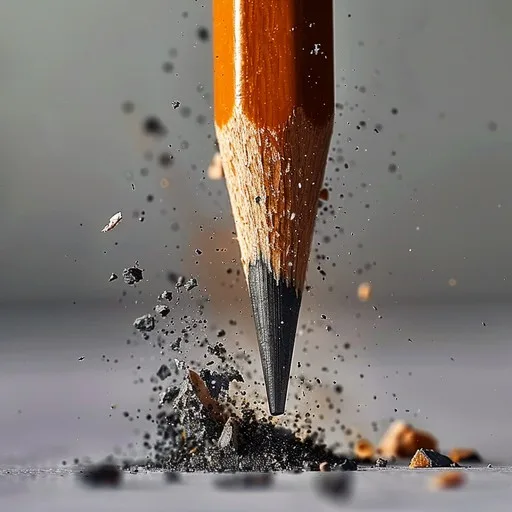
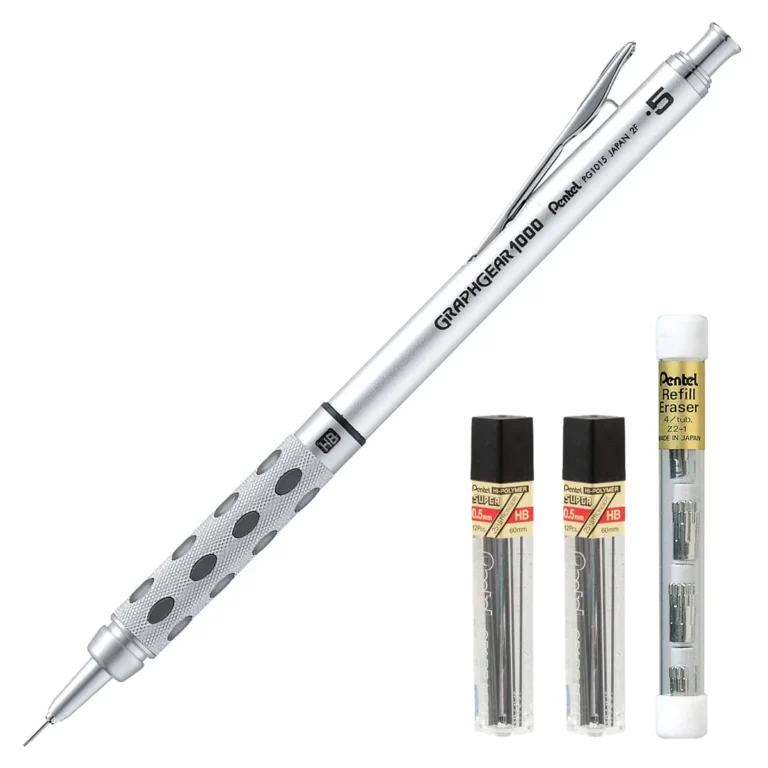
Comparing these two tools comes down to daily performance factors. Wood pencils use a bonded graphite core encased in cedar or pine. Mechanical pencils use a sliding clutch mechanism to feed thin polymer lead through a metal sleeve.
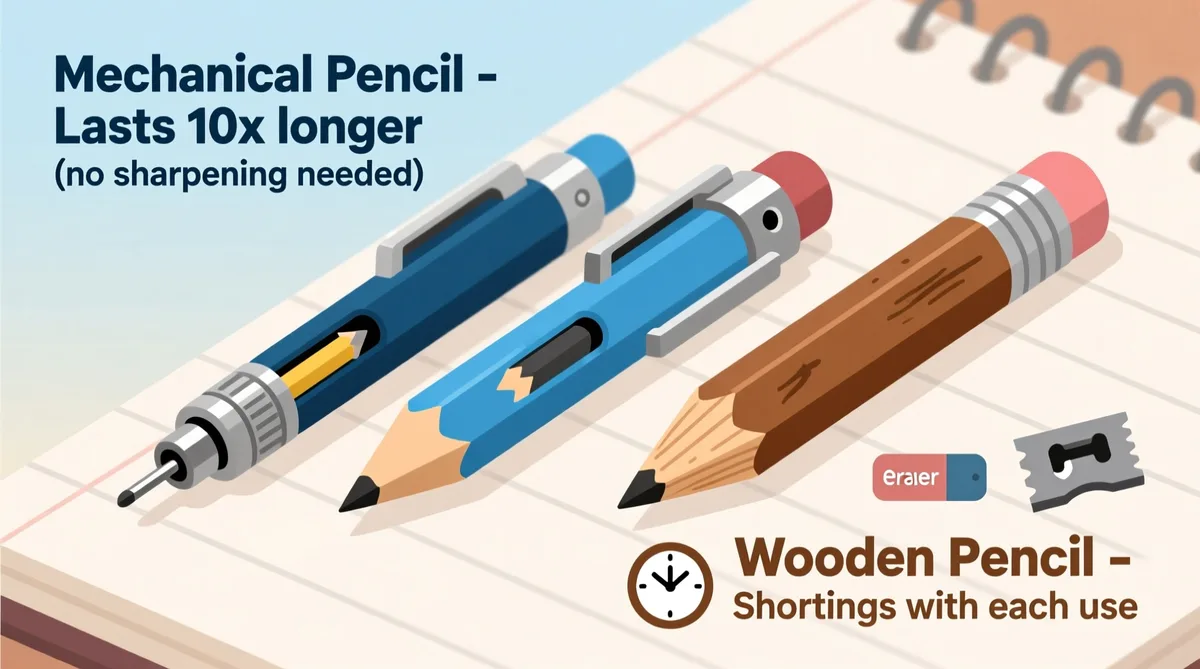
Each option handles daily tasks differently. Wood pencils dull quickly, requiring a trip to the sharpener every few minutes. Mechanical pencils maintain a razor-sharp point without losing length.
| Feature | Mechanical Pencil | Wood-Cased Pencil |
|---|---|---|
| Sharpening | Never required | Required frequently |
| Line Consistency | Uniform width | Varies as lead dulls |
| Upfront Cost | Higher ($3 to $30+) | Very low (bulk packs) |
| Long-Term Cost | Low (refills only) | Continuous replacement |
Students often search for top-rated options when building their back-to-school kits, and exploring choices like a dedicated student pencil guide can clarify which body styles handle daily backpack drops best.
The Real Pros and Cons of Going Mechanical
Every tool has distinct trade-offs. Knowing the drawbacks prevents buyer's remorse. Mechanical pencils offer incredible precision, but they also introduce mechanical failure points.
The primary advantages include zero downtime for sharpening and zero waste from wood shavings. You also get exact line widths that make neat handwriting much easier to maintain.
The main drawbacks involve fragility and maintenance. Drop a drafting pencil on its tip, and the metal sleeve bends instantly. Internal lead jams can also frustrate users who press too hard while writing.
Matching Lead Sizes and Mechanics to Your Style
Choosing the right lead diameter dictates your entire writing experience. Thinner leads snap easily if you press down with heavy force. Thicker leads resist breakage but require frequent rotation to keep lines crisp.
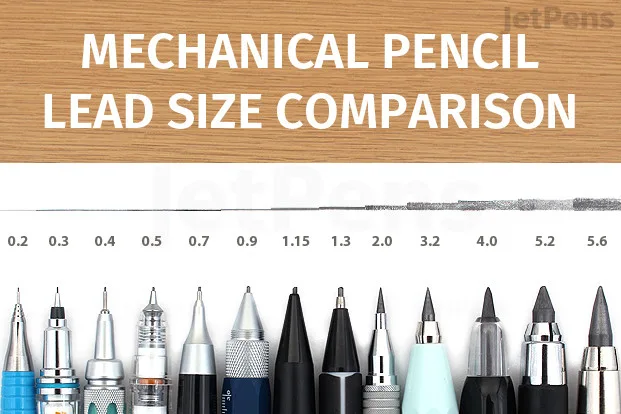
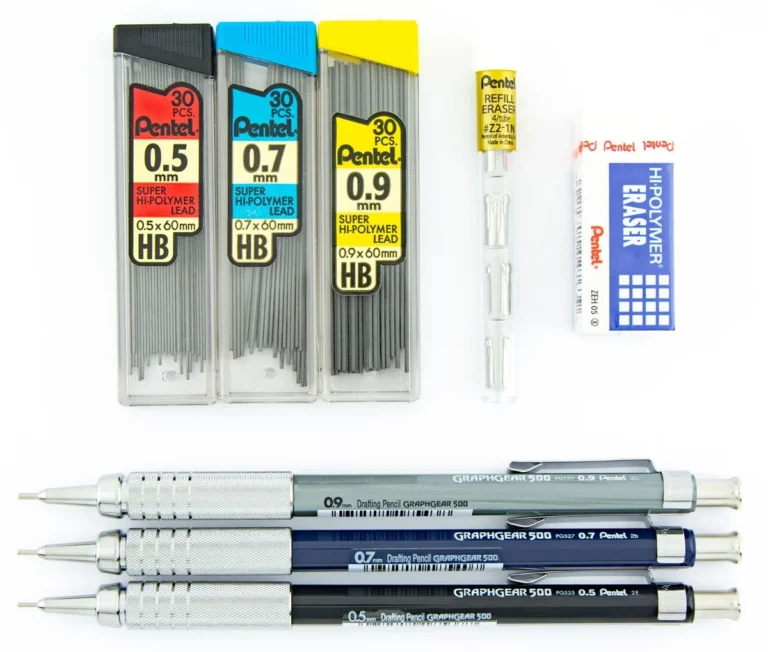
Manufacturers produce leads ranging from ultra-fine 0.3mm up to sturdy 0.9mm options. Artists and sketchers working on detailed shading often prefer exploring specialized drawing pencils to find a softer graphite grade.
- 0.3mm Lead: Ideal for tiny handwriting and micro-drafting, but snaps under heavy pressure.
- 0.5mm Lead: The most popular standard size for general notes, math formulas, and clean lines.
- 0.7mm Lead: Excellent for everyday writing, offering a great balance of durability and line width.
- 0.9mm Lead: Perfect for heavy-handed writers who frequently snap thinner graphite cores.
Hidden Frustrations and How to Avoid Lead Jams
Lead jams happen when broken graphite shards wedge inside the internal brass clutch mechanism. Clearing a jam requires removing the eraser and inserting a cleaning pin down the feed tube.
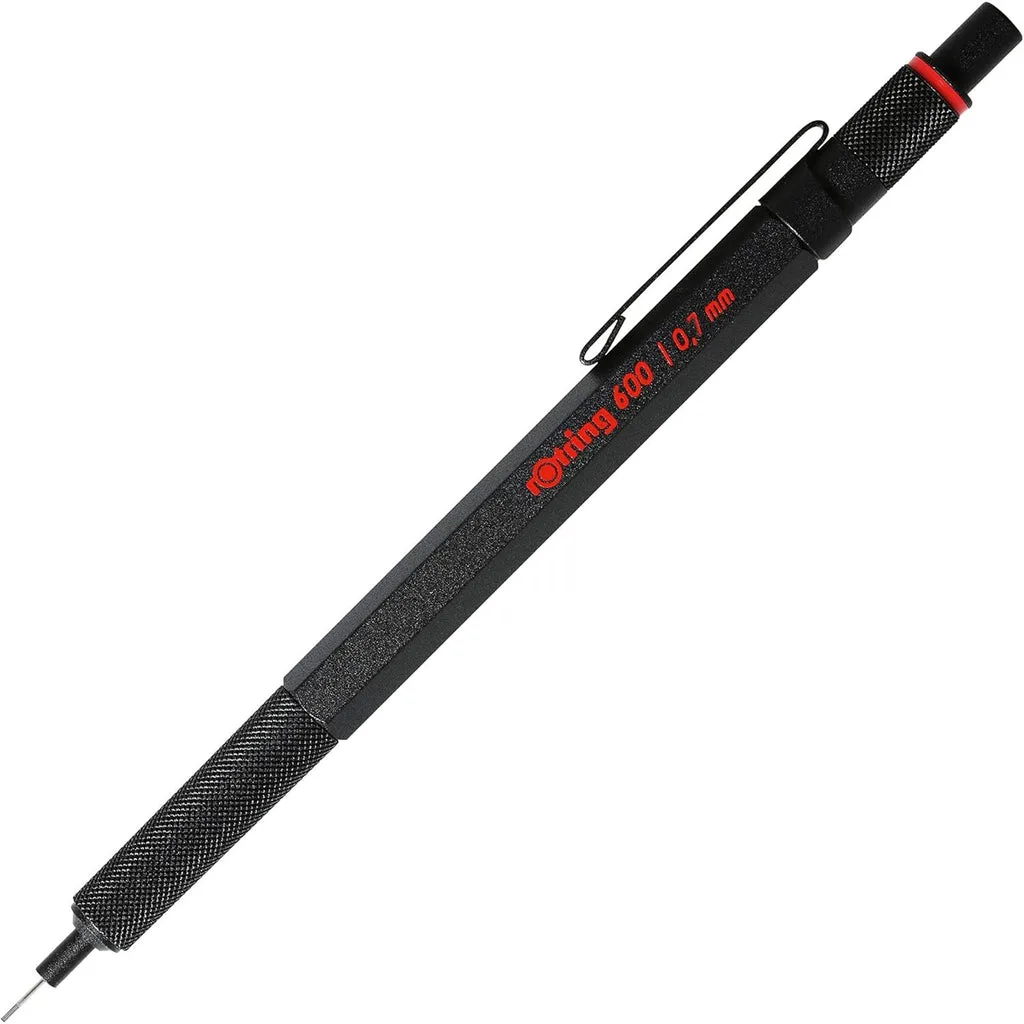
Avoid buying low-grade polymer lead refills that crumble inside the barrel. High-grade graphite blends from trusted brands like Pentel or Rotring resist internal shattering.
Always match your lead hardness to your writing style. Harder leads like 2H resist smudging but feel scratchy. Softer leads like HB or 2B glide smoothly across paper.
Who Should Buy One (and Who Should Stick to Wood)
Choosing between wood and mechanical tools depends heavily on your daily writing environment. Engineering students, technical drafters, and accountants benefit immensely from the consistent line width of a refillable pencil. These users require precise strokes that never thicken due to a dulling graphite tip.
Traditional wood pencils remain the ideal choice for standardized testing environments and casual sketching. Many standardized test regulations prohibit certain refillable stationery items to prevent hidden cheat sheets. Young students learning proper grip pressure also find that classic wooden pencils build better hand strength without breaking fragile thin leads.
If you prefer a reliable everyday tool that requires zero maintenance, sticking with a bulk pack of wood-cased pencils makes sense. If you despise sharpening and value exact precision, upgrading to a quality mechanical model is a smart move. You can find solid performance tips in our guide covering top-rated choices for sketching and fine art.
Frequently Asked Questions About Mechanical Pencils
Do mechanical pencils cost more than wood pencils over time?
Upfront costs run higher for refillable models, but long-term expenses drop significantly. You only purchase replacement graphite and erasers once you own a durable metal body. Wood-cased pencils require constant full replacement once the wood wears down.
What lead size is best for general note-taking?
The 0.5mm and 0.7mm sizes suit most daily writing tasks. Size 0.5mm delivers sharp and neat lines for small handwriting. Size 0.7mm offers extra resistance against snapping if you press down hard while taking fast notes.
How do I fix a jammed mechanical pencil?
Jams happen when broken lead fragments wedge inside the brass clutch mechanism. Remove the eraser cap and use a fine cleaning pin to push debris out through the tip. Always buy high-grade polymer lead to prevent frequent internal shattering.
Why do mechanical pencil tips break easily?
Drafting models feature fixed metal sleeves that bend instantly upon impact if dropped on hard floors. Retractable-tip models prevent this damage by pulling the metal sleeve safely inside the barrel when not in use.
Can I use any lead refill brand in my pencil?
Most standard polymer leads fit matching diameter sizes across different brands. Premium graphite blends reduce internal dust buildup and minimize breakage. Checking out our detailed review on reliable writing instruments helps you find compatible refills.
The Final Verdict: Are They Worth Your Money?
Mechanical pencils are worth buying if you value consistent line width, hate sharpening, and want a tool that lasts for years. They eliminate the daily hassle of wood shavings and dull points.
They require proper handling to prevent bent metal tips and internal lead jams. If you drop your supplies constantly or prefer a nostalgic grip, traditional wooden pencils remain a budget-friendly alternative.
Investing in a durable metal drafting pencil transforms your daily note-taking and drawing experience. Match your lead size correctly, choose polymer refills wisely, and your mechanical pencil will serve you reliably for a very long time.