Why Does My Mechanical Pencil Keep Breaking Lead?
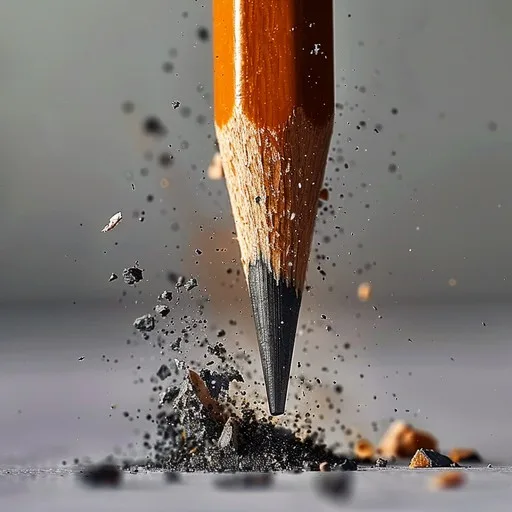
Image source: Bing (Web (fair-use with source credit))
Mechanical pencils are fantastic for clean lines and zero sharpening, but snapping graphite ruins the flow fast. If you have ever wondered why your mechanical pencil keeps breaking lead, the issue usually comes down to simple physics, worn internal parts, or a bad match between your writing style and the pencil components.
Aggregate reviews report that lead breakage is the single most common frustration among stationery users, often driving people back to traditional wooden alternatives. Understanding the root cause takes just a minute, and fixing it gets your writing back on track.
Quick Answer
Lead breakage stems from writing too hard. Using cheap graphite causes frequent snaps. Damaged guide pipes pinch the lead.
Debris jams the internal clutch. Choosing softer polymer refills stops most sudden breaks.
What’s Happening Inside: The Mechanics of Lead Breakage
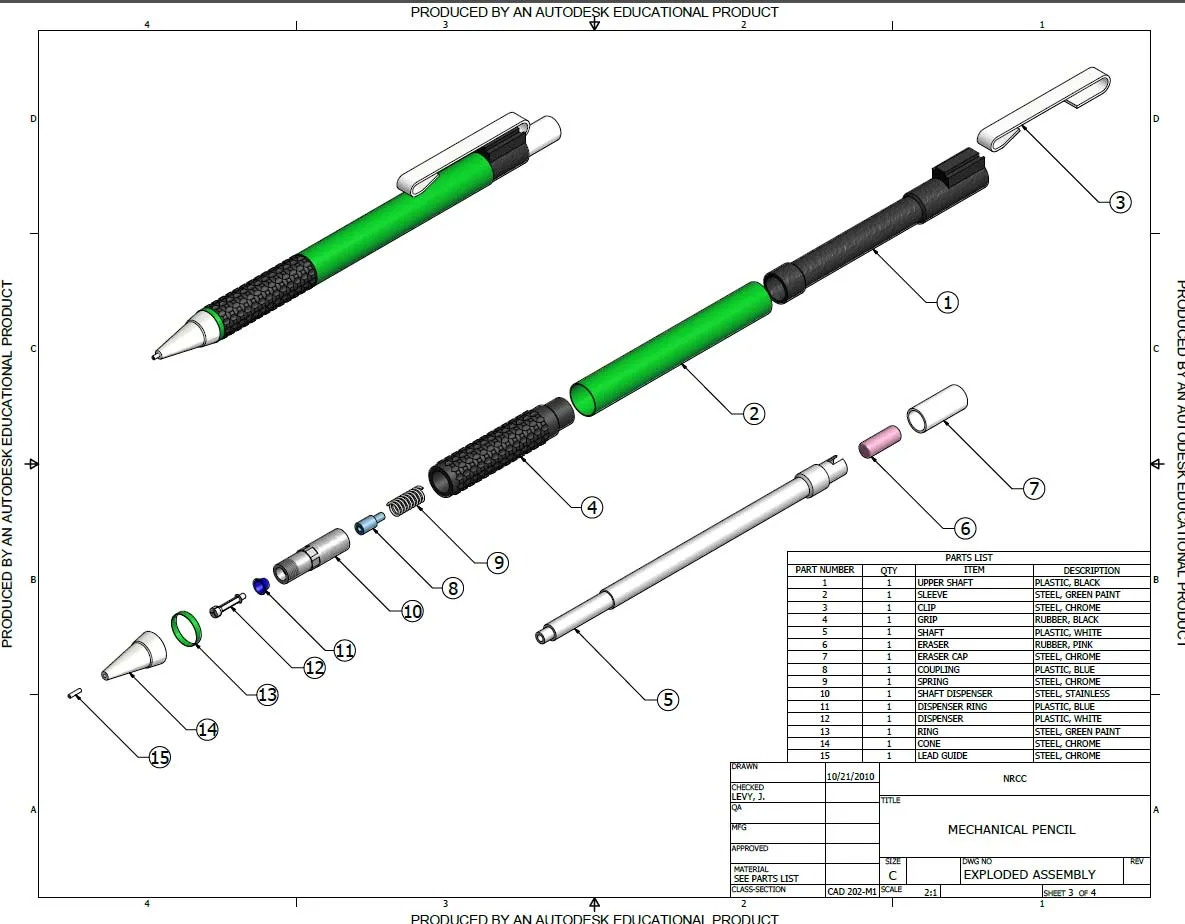
Image source: Web (Bing) / animalia-life.club (Web image (fair-use with source credit))
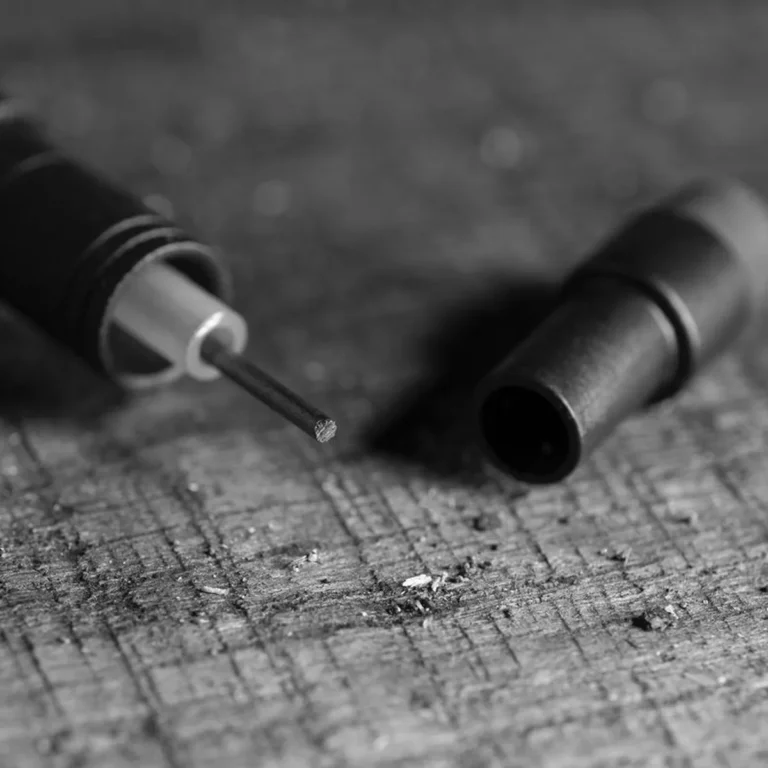
Opting for tools highlighted in a reliable 7 Best Mechanical Pencil for Students review showcases how internal engineering keeps graphite intact. When you click the top button, a tiny set of metal jaws inside the barrel opens up. These jaws grip the graphite and advance it forward by a tiny fraction of a millimeter.
If those jaws lose their grip or get clogged with tiny graphite dust fragments, the lead slips around inside the chamber. That slipping causes microscopic fractures before the graphite even reaches the tip of the pencil.
Manufacturer specifications indicate that high-end drafting tools use brass clutches instead of plastic ones to maintain a precise grip. Plastic components wear down over time, creating tiny gaps where graphite wobbles and snaps under side loads.
| Component | Normal Function | Failure Mode |
|---|---|---|
| Internal Chuck | Grips and advances graphite | Wears down or slips, causing wobbles |
| Guide Pipe | Supports lead near the writing surface | Bends slightly, pinching the graphite |
| Reservoir Tube | Stores extra graphite refills | Collects dust and jammed fragments |
The Usual Suspects: Four Common Causes of Snap-Happy Pencils
Writing angle plays a massive role in whether your graphite survives a study session. Holding your pencil at too steep of a vertical angle places all the downward force straight onto a tiny point.
Heavy-handed writing compounds this issue instantly. If you press down hard enough to emboss the paper, even the toughest 0.7mm lead will eventually fail.
Another frequent culprit is the habit of advancing too much lead at once. Leaving more than two millimeters of graphite exposed turns the thin rod into a tiny lever. Every side-to-side stroke adds leverage, snapping the lead right at the metal sleeve opening.
Finally, dropping your pencil on a hard floor can bend the metal guide pipe. A bent tip creates a microscopic pinch point that chews through every refill you feed into it.
The Hidden Culprit: Low-Quality Graphite vs. Polymer Leads
Not all graphite refills are created equal. Cheap no-name refills often contain air pockets, inconsistent clay binders, and impurities that weaken the internal structure of the lead.
Modern polymer leads mix graphite with synthetic resin binders for much higher tensile strength. Per ISO 12756 standards for writing and marking instruments, quality testing measures break resistance under specific bending loads.
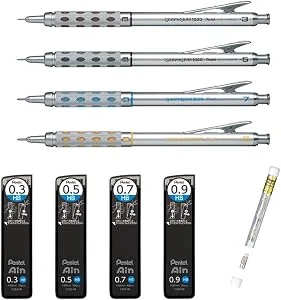
If you are currently using bargain-bin refills, switching to a trusted brand makes an immediate difference. You can find robust options in a trusted guide covering 7 Best Mechanical Pencil for Drawing where premium polymer refills are standard equipment.
Weaker H-grade leads contain more clay and less graphite, making them inherently brittle on rough paper surfaces. Softer 2B or HB leads lay down smoother lines and bend slightly more before snapping.
Step-by-Step: Clearing a Jam and Inspecting Your Guide Pipe
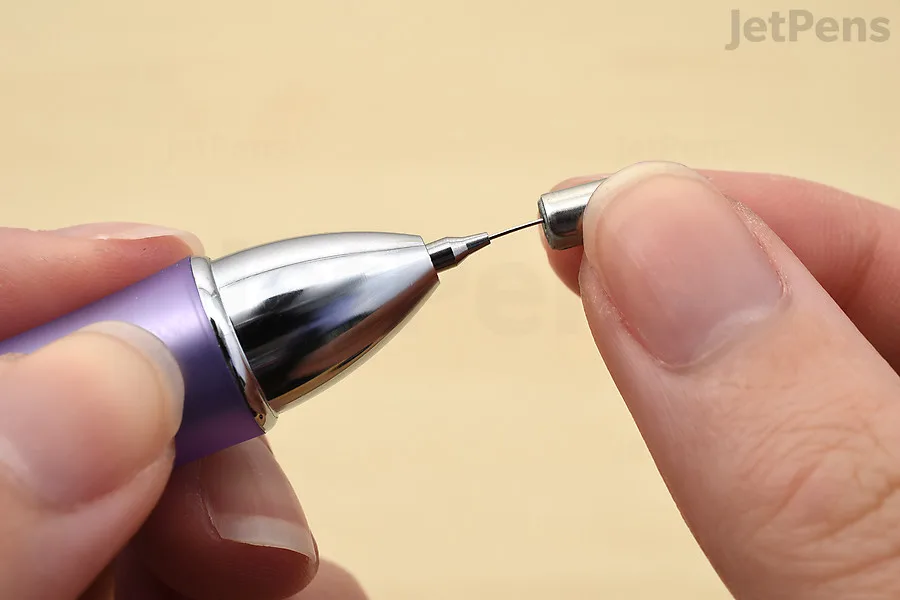
Image source: Web (Bing) / jetpens.com (Web image (fair-use with source credit))
When graphite breaks off deep inside the barrel, it creates a stubborn jam that stops new lead from advancing. Fixing this blockage takes just a few basic steps and restores normal writing function.
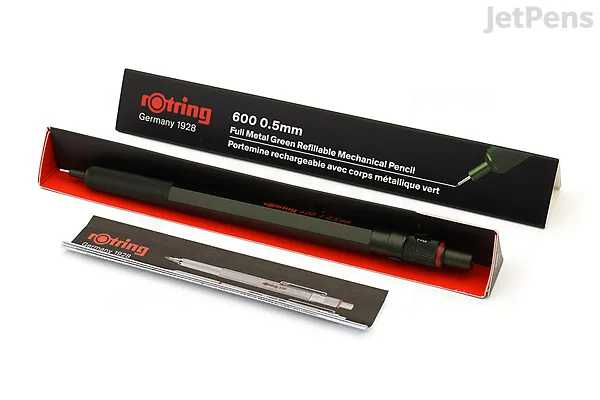
- Unscrew the front metal cone or grip section from the plastic barrel to expose the internal clutch mechanism.
- Remove any visible graphite pieces from the reservoir tube using a pair of fine tweezers.
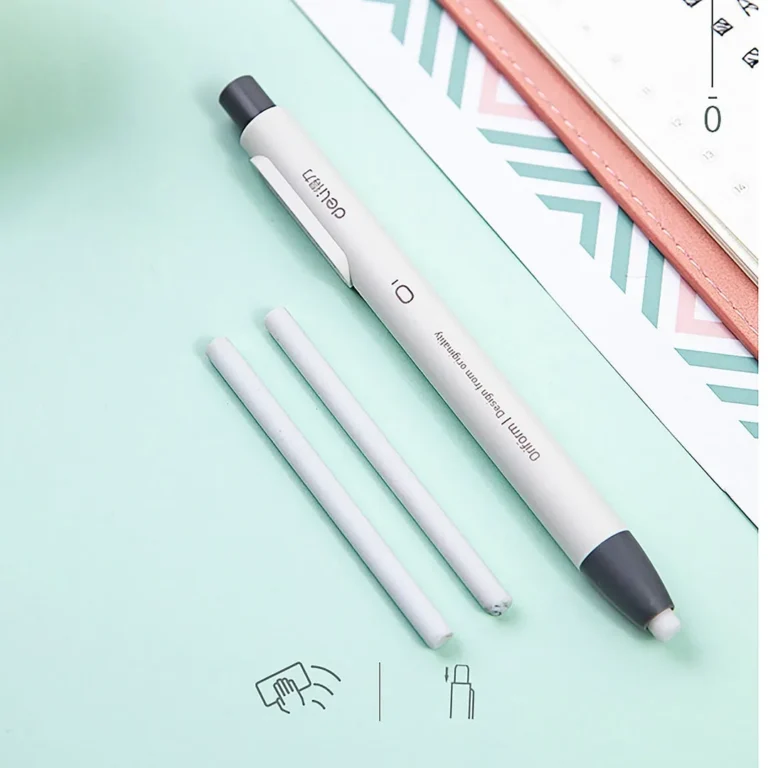
- Take the tiny cleaning pin attached to your eraser and push it backward through the tip to clear crushed dust.
- Inspect the metal guide pipe under a bright light to check for bends or hairline fractures.
- Reassemble the components snugly, ensuring you do not over-tighten the threaded metal cone.
For those looking to upgrade their daily carry entirely, exploring a specialized guide like 7 Best Mechanical Pencil (2027) can help you find models featuring built-in lead protection systems.
Adjusting Your Technique: Pressure, Angles, and Pencil Choice
Fixing mechanical issues helps, but changing your physical writing habits offers the most permanent solution. Lightening your grip reduces hand fatigue and prevents the crushing forces that snap thin lines.
Try to angle your writing instrument at roughly 45 to 60 degrees relative to the paper surface. This angle spreads the writing force across a wider area of the graphite tip instead of concentrating it on a single point.
Advancing your lead sparingly is another simple habit to build. Keep only about one millimeter of graphite protruding from the metal sleeve at all times.
If you frequently press hard due to carbon-copy forms or heavy note-taking habits, step up to a thicker lead size like 0.7mm or 0.9mm. The extra diameter provides massive gains in sheer strength without sacrificing line clarity.
Frequently Asked Questions
Why does lead break inside my pencil without coming out?
Broken graphite fragments often get wedged inside the internal clutch mechanism or reservoir tube. When you try to click more lead forward, the new piece hits the lodged fragment and snaps immediately. Clearing the jam with a cleaning pin fixes the blockage.
Does the lead size make a difference in how often it snaps?
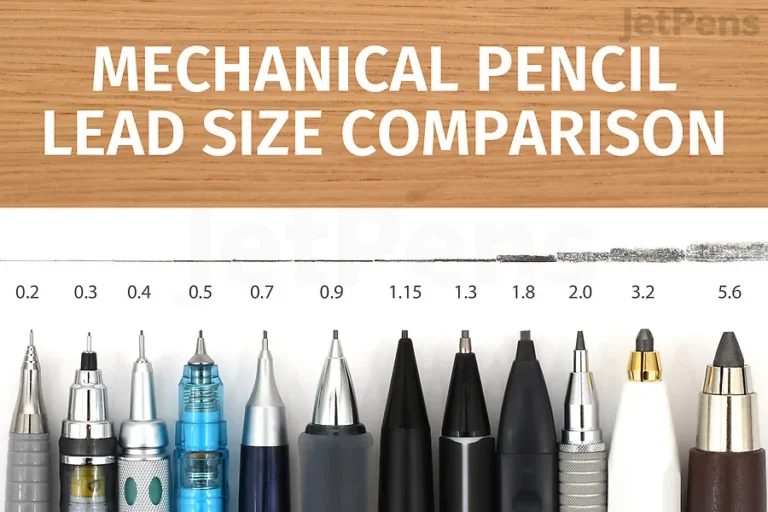
Thinner leads like 0.3mm break far more easily than thicker sizes like 0.7mm or 0.9mm. The smaller diameter offers less structural resistance against side loads and heavy writing pressure. Switching to a thicker gauge is the easiest way to stop frequent snaps.
How much lead should I push out when writing?
Keep only one millimeter of graphite exposed past the metal guide pipe. Advancing more than two millimeters creates a long lever that snaps easily under normal writing pressure. The metal sleeve is designed to support the lead right near the tip.
Why do cheap mechanical pencil leads break more often?
Bargain-bin refills contain impurities, air pockets, and inconsistent clay binders that create structural weak points. Premium polymer leads use synthetic resin binders for higher tensile strength and smoother performance. Upgrading your graphite brand solves most sudden breakages.
Can dropping a mechanical pencil cause it to keep breaking lead?
Dropping a pencil on a hard surface often bends the delicate metal guide pipe. A bent tip creates a microscopic pinch point that scores and snaps every lead you try to use. Inspecting the tip under a light reveals if you need a replacement.
Maintenance and Long-Term Optimization
Keeping your mechanical pencil running smoothly requires very little effort, but routine upkeep prevents sudden graphite failure. Dust and tiny graphite particles accumulate inside the barrel over months of heavy writing.
Clearing this debris every few months keeps the internal clutch operating smoothly. You can use a pipe cleaner or a dry cotton swab to wipe out the inner reservoir tube before loading fresh refills.
Storing your writing tools correctly also extends their operational lifespan significantly. Tossing an uncapped drafting pencil into the bottom of a backpack exposes the fragile guide pipe to bending forces from heavy books.
Investing in a hard pencil case or using the built-in pocket clip protects the tip from accidental impacts. Manufacturers like Pentel and Pilot design their products for years of daily use, provided you give them basic care.
Final Recommendation
Solving chronic lead breakage comes down to identifying which mechanical factor is causing your specific issue. If your graphite snaps right at the tip, you likely need to check for a bent guide pipe or lighten your writing pressure.
Switching to a higher-grade polymer lead eliminates microscopic weak spots that cause unexpected snaps mid-sentence. Upgrading to a slightly thicker lead diameter offers an instant boost in physical strength if your note-taking style demands heavy downward force.
Taking two minutes to clear internal debris and adopt a shallower writing angle will save you from endless frustration. Your pencils will last longer, and your written work will stay clean and uninterrupted.