How Do You Sharpen Mechanical Pencil Lead?
Mechanical pencils save you from sharpening wooden stumps over a trash can. They do not, however, keep their ultra-fine graphite tips sharp forever. Learning how do you sharpen mechanical pencil lead is the secret to getting crisp, clean lines back on your paper without constantly snapping your fragile graphite.
Standard polymer leads start round and smooth, but they wear down into flat, wedge-shaped blocks within minutes of heavy writing or drafting. As of 2026, designers and students still face this exact drafting bottleneck when working with fine lines. Let us jump into how you can fix a blunt lead and get back to drawing.
Quick Answer
Mechanical lead is sharpened using specialized rotary pointers or sandpaper blocks. Hold your pencil at a shallow angle. Gently rotate the barrel against the abrasive surface.
Never press straight down. Wipe away loose graphite dust before you write.
Why Standard Pencil Sharpeners Destroy Mechanical Pencils
Traditional desktop pencil sharpeners are built for wood-cased pencils. Those devices bite into the cedar casing and grind down both wood and graphite at a steep angle. Mechanical pencils lack that protective wooden jacket.
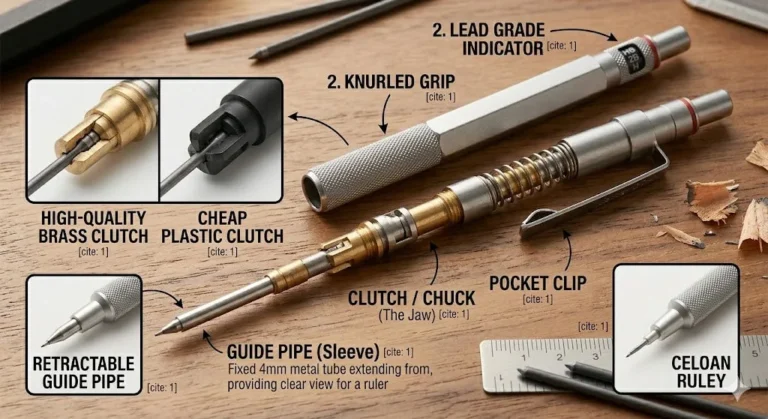
Feeding a thin piece of 0.5mm graphite into a standard sharpener applies too much sideways torque. The metal clutch inside the pencil holds the lead loosely behind a narrow guide pipe. A standard spinning blade grabs the fragile core and instantly snaps it deep inside the tip mechanism.
Aggregate reviews and manufacturer specs confirm that mechanical pencils require gentle abrasion rather than heavy cutting. You need a tool that removes small flakes of graphite gradually. This approach keeps your lead intact while restoring a sharp drawing point.
The Mechanics of Mechanical Lead: Why Sharpening Is Different
Mechanical pencil leads are made from a mixture of graphite powder and clay binders, then kiln-fired into slender cylinders. They come in precise diameters like 0.3mm, 0.5mm, 0.7mm, and 2mm. Each size demands a different handling method when you want to shape the tip.
Thinner leads like 0.3mm and 0.5mm have almost no structural tolerance for bending forces. If you push too hard against a sharpener, the core shears right off near the metal sleeve. Heavier sizes like 2mm clutch pencils behave more like traditional wooden pencils and tolerate aggressive shaping.
When you write, graphite wears away unevenly on the side facing the paper. This creates a slanted chisel edge that makes your lines thick and unpredictable. Shaving off just a tiny fraction of the graphite restores symmetry to the tip.
Best Tools For The Job: Lead Pointers vs Sandpaper Blocks vs Scrap Paper
You have three main options for sharpening mechanical pencil lead at your desk. Choosing the right tool depends on your lead diameter and how much precision you need. Let us examine what each tool offers.
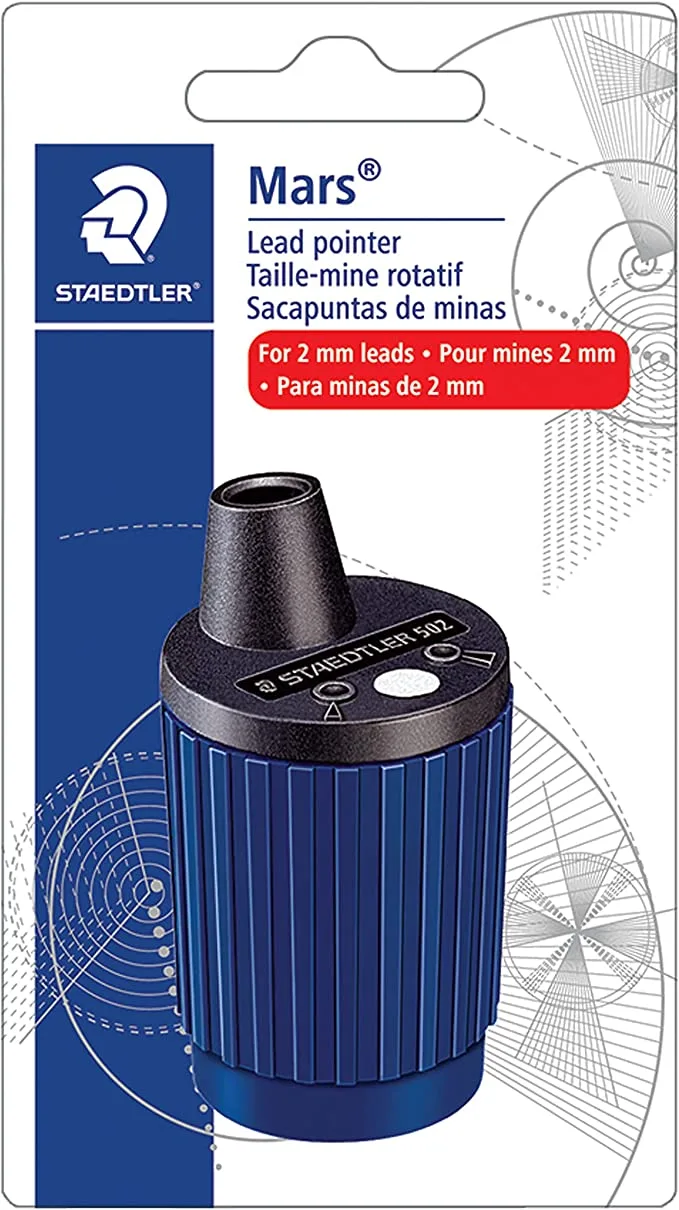
Rotary lead pointers are small desktop units designed specifically for 2mm drafting leads. You drop the pencil into a hole and twist the barrel while internal blades shave the graphite to a needle point. Sandpaper blocks feature strips of fine grit abrasive paper mounted on a small wooden paddle.
You hold your pencil at a flat angle and stroke the lead across the grit.
Scrap paper offers a quick, makeshift method for everyday 0.5mm or 0.7mm writing. You scribble back and forth at a low angle on a spare sheet of paper while rotating the pencil barrel. This trick rounds out the flat spot on your lead without needing extra gear.
| Tool Type | Best Lead Size | Precision Level | Portability |
|---|---|---|---|
| Rotary Lead Pointer | 2mm leads | Very High | Low (Desk bound) |
| Sandpaper Block | 0.5mm to 2mm | High | High (Pocket friendly) |
| Scrap Paper | 0.3mm to 0.7mm | Moderate | Universal |
Students working through long study sessions often pair a reliable writing instrument from our guide on the top picks for academic use with a simple sandpaper pad. Artists focusing on fine details frequently consult resources covering options for illustration work to match the right lead grade with their preferred sharpening method. Finding a sturdy daily writer makes all the difference, and you can explore top-rated picks over at the comprehensive market lineup roundup for more inspiration.
Step-by-Step: How to Shape Your Lead Without Snapping It
Sharpening fine mechanical lead requires patience and a light touch. Rushing the process guarantees a snapped tip and an empty lead sleeve. Follow these steps to shape your point safely.
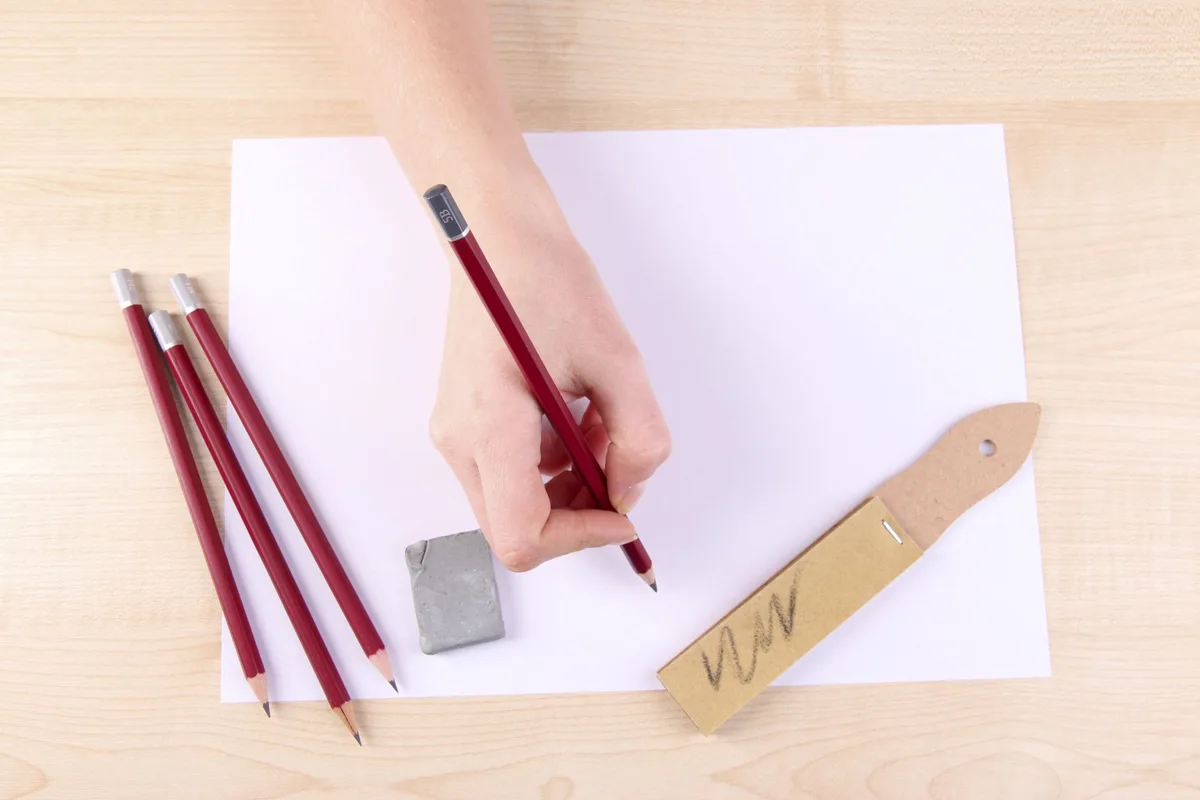
Extend your lead slightly further than normal, exposing about 3 to 4 millimeters of graphite beyond the metal sleeve. Hold your pencil at a very shallow angle, nearly parallel to your sandpaper block or scrap paper surface. Pressing straight down will snap the lead instantly.
Rotate the pencil barrel slowly between your thumb and index finger as you glide the lead across the abrasive surface. Keep your strokes light and consistent. Blow away any loose graphite dust before you bring the pencil back to your technical drawing.
Tailoring Your Point: Conical, Chisel, and Needle Profiles
Different drawing tasks require different lead shapes. Understanding point profiles helps you pick the right sharpening technique for your project. A conical point works best for everyday writing and general note-taking.
To achieve a conical shape, rotate your pencil in a complete circle while sanding at a 45-degree angle. This keeps the tip symmetrical and prevents chipping. Architectural drafting often demands a chisel point for crisp, consistent line weights that do not fade.
To create a chisel tip, stroke only two opposite sides of the lead against your sandpaper block. Architectural standards outlined by organizations like the National Institute of Standards and Technology emphasize precision in technical documentation. Keeping your drafting tools sharp ensures your lines match strict engineering requirements.
Common Sharpening Mistakes That Snap Lead and Jam Clutches
Applying too much downward pressure remains the single fastest way to shatter fine graphite. Pressing straight down onto a sandpaper block or rotary blade creates a bending moment that the slender lead cannot survive.
Another frequent mistake involves forcing thick drafting leads into undersized guide pipes. Using a 2mm lead in a pencil built for 0.5mm refills causes immediate structural failure. The graphite wedges tightly against the metal sleeve and breaks off below the surface.
Ignoring accumulated graphite dust inside your sharpening tool creates hidden mechanical problems. Loose dust particles migrate into the pencil clutch and prevent the internal jaws from gripping new lead. Clean your sharpening blocks and rotary pointers regularly with a soft brush to keep your workspace free of debris.
Manufacturer specifications from leading stationery producers indicate that proper maintenance prevents most feed failures. Keep your drafting tools stored in a dry case to protect the graphite cores from absorbing moisture. High humidity weakens polymer binders and makes your leads brittle before you even start shaping them.
Frequently Asked Questions About Mechanical Lead Sharpening
How often should you sharpen mechanical pencil lead?
You should rotate or shape your lead every few paragraphs of heavy writing or technical sketching. Flattened bevels develop quickly on polymer graphite. A quick stroke on scrap paper restores your line width instantly.
Can you use a regular electric pencil sharpener for mechanical pencils?
Electric desktop sharpeners will completely destroy mechanical pencils. Those high-speed rotating blades grab the exposed metal sleeve and grind it down alongside the fragile lead. Always use manual sanding pads or dedicated lead pointers instead.
What is the best lead grade for technical drafting?
Drafting professionals often prefer HB or 2B leads for balanced darkness and wear resistance. Harder grades like 4H hold a sharp point longer but produce faint lines that are difficult to read on blueprints. Choose your grade based on your specific scanning or reproduction needs.
How do you clear a jammed mechanical pencil tip?
Clearing a jammed tip requires removing the eraser and inserting the thin cleaning wire included with most quality drafting pencils. Push the wire down through the rear barrel to force broken graphite shards out of the metal sleeve. Avoid inserting needles or pins from the front tip because they can warp the delicate clutch mechanism.