What Is the Difference Between 0.5mm and 0.7mm Mechanical Pencils?
Choosing a fine writing instrument often comes down to a small measurement shift. Understanding the difference between 0.5mm and 0.7mm mechanical pencils helps you pick the right tool for your specific writing or drawing habits.
Editorial research shows that line width and graphite hardness directly change how smooth your notes feel. Let us walk through how these two lead sizes compare in daily use as of 2026.
Quick Answer
The 0.5mm pencil makes thin lines. The 0.7mm pencil makes thick lines. The 0.5mm tip breaks easily.
The 0.7mm tip resists breaking. Choose 0.5mm for fine detail. Choose 0.7mm for fast writing.
Why the Difference Between 0.5mm and 0.7mm Leads Actually Matters
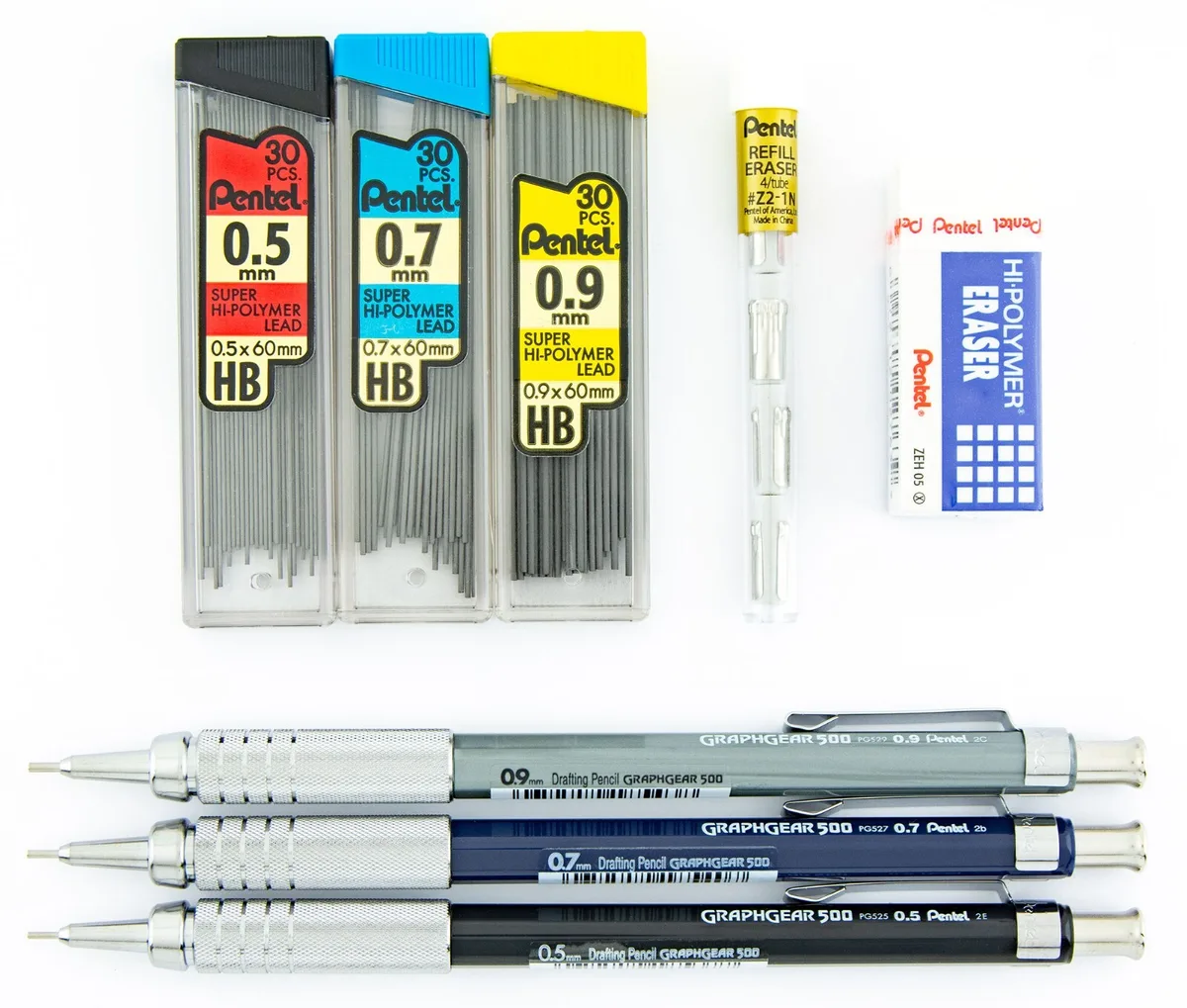
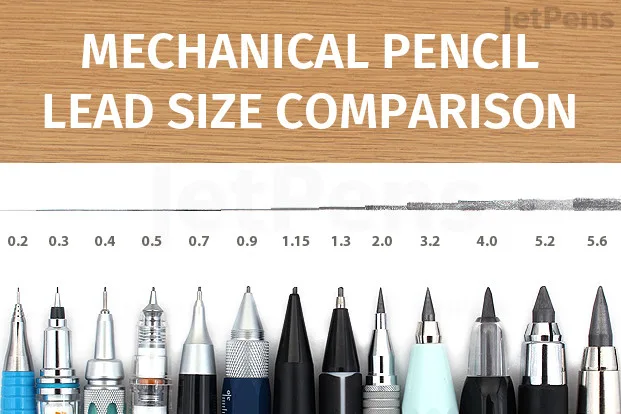
Lead diameter dictates the entire writing experience. A difference of two-tenths of a millimeter changes line density and feedback.
Your hand pressure determines how well a lead size performs on standard paper. Technical drawing requires fine control, while casual note-taking benefits from a sturdy core.
Meet the Contenders: A Closer Look at 0.5mm and 0.7mm Mechanical Pencils
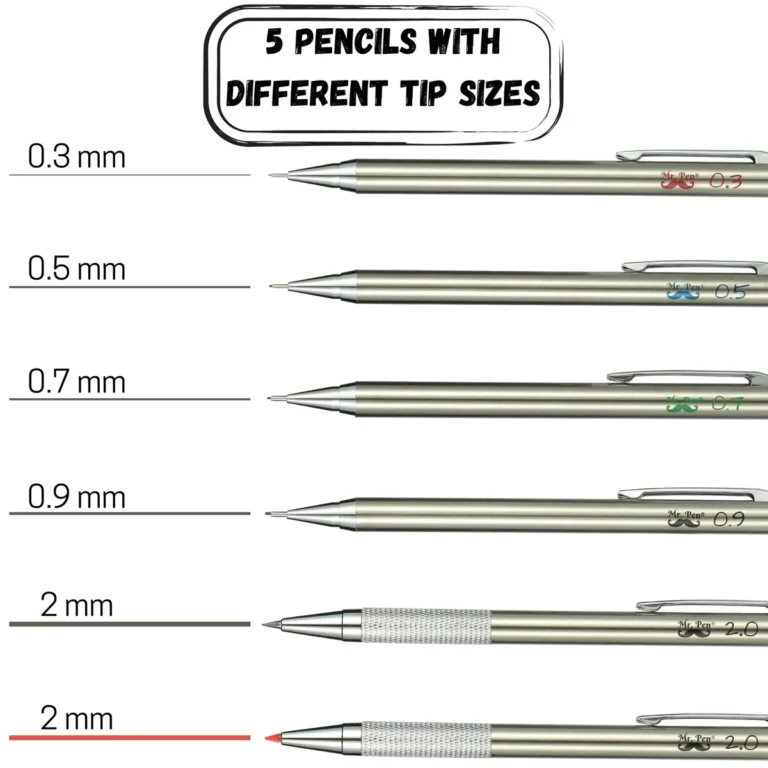
The 0.5mm mechanical pencil is built for precision. It leaves a sharp, narrow mark on the page, which keeps dense notes legible.
The 0.7mm mechanical pencil acts as the universal standard for everyday writing. It balances line visibility with structural strength.
| Feature | 0.5mm Mechanical Pencil | 0.7mm Mechanical Pencil |
|---|---|---|
| Line Width | Fine and crisp | Medium and bold |
| Breakage Risk | Higher | Lower |
| Best Paper Type | Smooth, high GSM | Standard notebook paper |
| Ideal Task | Technical drafting, math | Fast note-taking, sketching |
Students often search for the best mechanical pencil for students to find a tool that survives backpacks and busy classrooms without constantly snapping leads.
Side-by-Side Comparison: Specs, Performance, and Everyday Feel
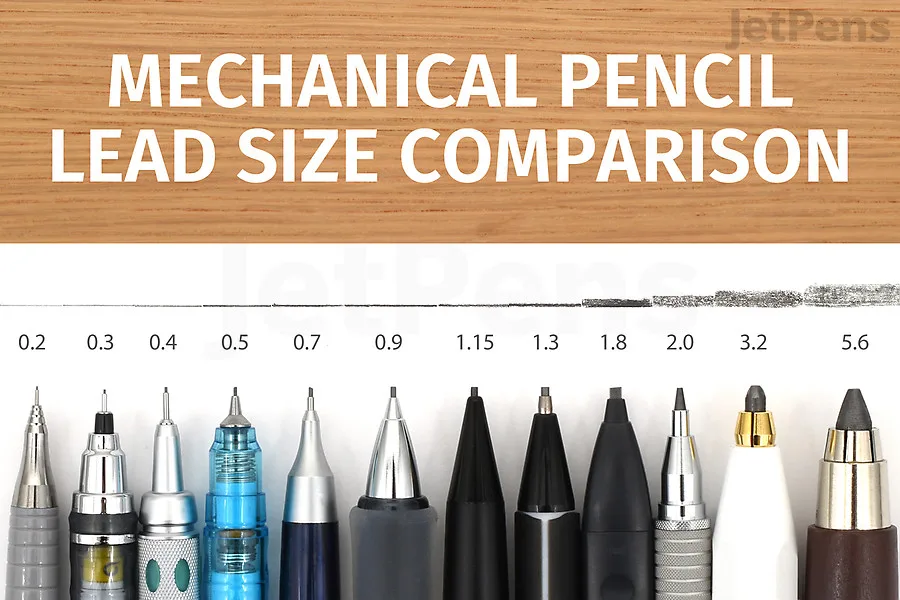
Performance varies based on the polymer composition inside the graphite core. Aggregate user reviews indicate that 0.5mm leads feel scratchier on rough paper.
The 0.7mm lead distributes pressure across a wider surface area. This wider footprint creates a smoother glide over cheap notebook paper.
Technical specifications from organizations like the International Organization for Standardization highlight how uniform core manufacturing ensures consistent line consistency. Artists often evaluate these specs when looking for the best mechanical pencil for drawing to achieve specific shading weights.
When to Choose the 0.5mm Mechanical Pencil
Pick the 0.5mm size if you write in a small script. Crowded equations and dense margins demand a fine point to stay readable.
Drafting and architectural sketching also favor the 0.5mm width. Sharp lines keep technical drawings accurate and clean.
You must use a lighter hand pressure with this size. Heavy pressing will cause the thin graphite to snap against the paper fibers.
When to Choose the 0.7mm Mechanical Pencil
Choose the 0.7mm size if you write quickly with heavy hand pressure. The thicker core absorbs force without fracturing mid-sentence.
General office work and daily journaling benefit from this forgiving lead size. It delivers bold, dark lines that stand out clearly.
If you want a reliable everyday tool, review options in our comprehensive mechanical pencil guide to compare barrel designs and grip textures.
Common Frustrations: Lead Breakage, Paper Tearing, and Jamming
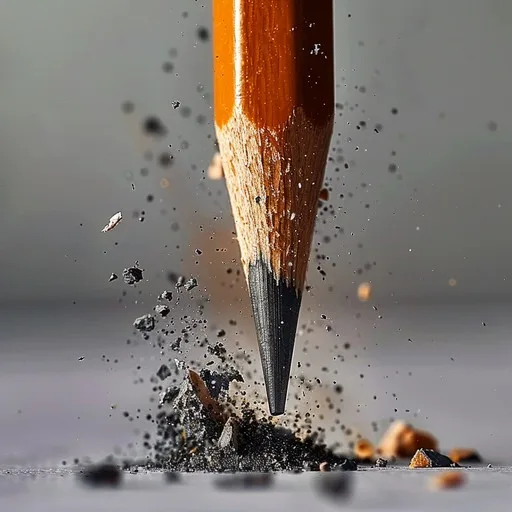
Lead breakage remains the top complaint among mechanical pencil users. A 0.5mm lead snaps instantly if you press too hard at a steep angle.
Paper tearing happens when sharp, thin leads puncture cheap notebook sheets. This occurs most often when writing fast during lectures.
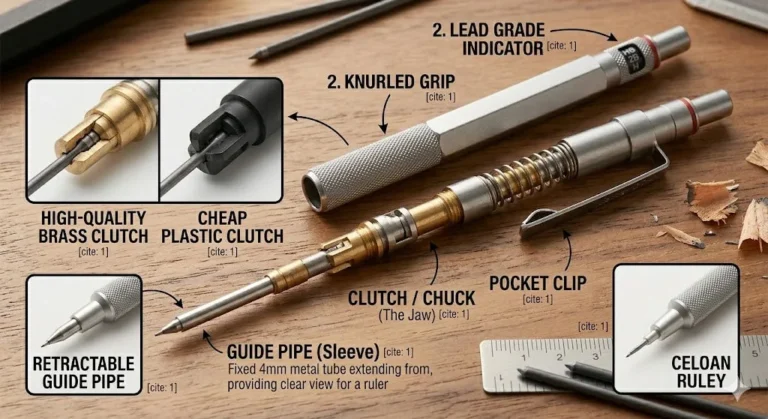
Lead jamming is another frequent frustration caused by broken graphite pieces lodging inside the clutch mechanism. Clear the tip carefully with a cleaning pin if a jam occurs.
How Paper Texture and Writing Pressure Change the Game
Paper texture dictates how graphite transfers from the tip to the page. Smooth, high-gsm paper lets fine leads glide effortlessly without catching on rough fibers. Textured or recycled paper creates friction that grabs the graphite core.
Writing pressure determines whether your lead survives the stroke. Heavy-handed writers apply pounds of force with every single word. That force breaks thin polymer strands instantly.
Lighter writers can use fine leads without constant fracturing. Adjust your grip style based on the surface you use. A loose grip and smooth paper save fragile tips from snapping.
Frequently Asked Questions
Can I put 0.7mm lead into a 0.5mm mechanical pencil?
You cannot put 0.7mm lead into a 0.5mm mechanical pencil. The internal lead sleeve and brass clutch are sized precisely for smaller graphite. A thicker lead will not fit through the opening and will jam the mechanism.
Which lead size is better for left-handed writers?
Left-handed writers often benefit from the 0.7mm mechanical pencil. The thicker graphite deposit dries slightly faster than fine lines and resists smudging from the side of the hand. It also withstands the dragging motion common in left-handed writing styles.
Do 0.5mm pencils use more lead than 0.7mm pencils?
Both sizes consume similar amounts of graphite for the same amount of written text. The 0.5mm pencil lays down a narrower line, but fine leads often break more frequently. That breakage waste can make 0.5mm pencils feel like they run out faster.
What lead hardness grade works best for everyday notes?
An HB lead grade offers the best balance for general writing. It provides dark, readable lines without smearing too easily across the page. Softer grades like 2B smudge constantly, while harder grades like 2H look too faint.
How do I clear a jammed mechanical pencil tip?
Unscrew the metal tip assembly to access the internal clutch. Use a cleaning pin or a spare piece of lead inserted from the rear to push out the broken obstruction. Never force a new lead into a jammed tip from the front.