How Do You Stop Mechanical Pencil Lead From Breaking?
Figuring out how do you stop mechanical pencil lead from breaking often comes down to matching your writing habits with the right physical tools. A snapped graphite tip usually points to excessive hand pressure, an incorrect writing angle, or a mismatch between the lead size and the paper surface.
Mechanical pencils offer clean, consistent lines without the need for sharpening, but their delicate inner workings demand a bit of finesse. In our research, we find that small adjustments to your grip and lead choice eliminate most breakage issues instantly.
Quick Answer
Stop mechanical pencil lead from breaking by writing with a lighter hand. Hold your pencil at a 45-degree angle. Choose harder graphite grades like HB instead of soft 2B.
Retract the lead when you finish writing.
The Anatomy of a Break: How Pressure and Angles Cause Snaps
Every time your pencil lead snaps, physics is at play inside that tiny metal sleeve. When you press down too hard, the cantilevered graphite bends beyond its structural limit.
Holding your pencil too vertically forces the tip to absorb direct downward force instead of sliding across the page. This creates high stress points that fracture polymer lead cores instantly.
| Writing Angle | Pressure Level | Breakage Risk | Result |
|---|---|---|---|
| 90 degrees (Upright) | Heavy | High | Instant snapping inside or outside the sleeve |
| 45 degrees (Slanted) | Moderate | Low | Smooth graphite transfer with minimal wear |
| 30 degrees (Flat) | Very Light | Lowest | Broad strokes, occasional paper tearing from the metal tip |
Adjusting your posture shifts the physical load away from the fragile tip. Think about gliding the graphite across the page rather than digging into the fibers. For students tackling long exams or note-taking sessions, switching to reliable writing tools keeps interruptions low, much like picking up a dependable everyday writer designed for sustained use.
Choosing the Right Lead Diameter and Hardness Grade
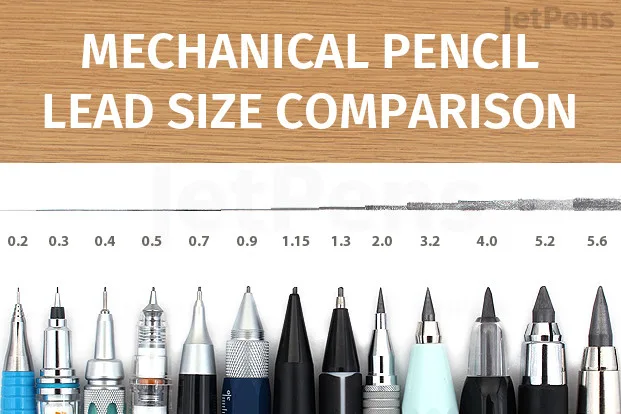
Your choice of lead diameter dictates how much physical punishment the graphite can endure before snapping. Thinner leads like 0.3mm deliver incredible precision for technical drafts, but they demand a feather-light touch. Stepping up to 0.5mm provides a sturdy middle ground for daily tasks, while 0.7mm and 0.9mm options resist heavy-handed writing effortlessly.
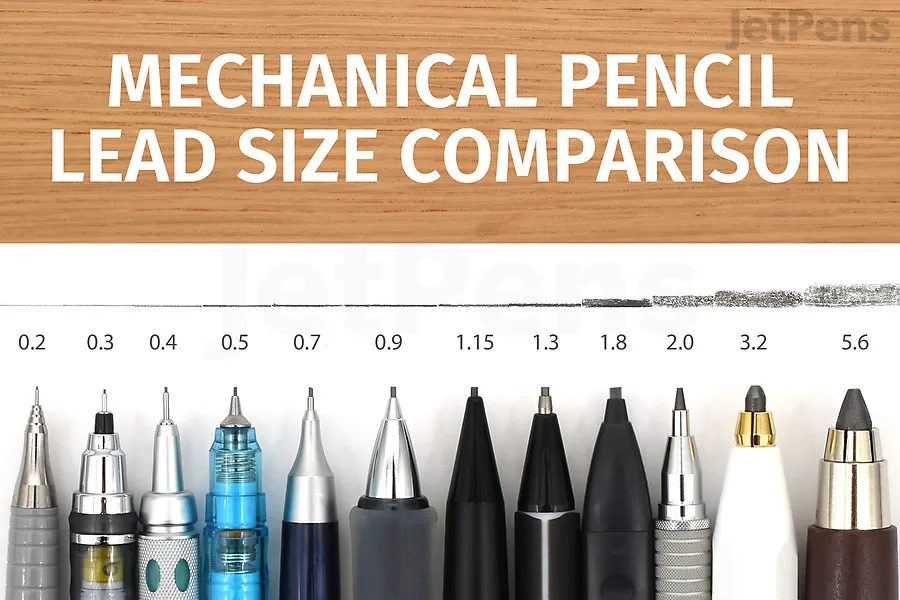
Image source: Bing (Web (fair-use with source credit))
Graphite hardness also plays a major role in structural integrity. Softer leads, such as 2B, contain more binding wax and less pure carbon, making them brittle and prone to crumbling under pressure. Harder graphite, like 2H, resists snapping easily because of its dense composition, though it leaves a lighter mark on the page.
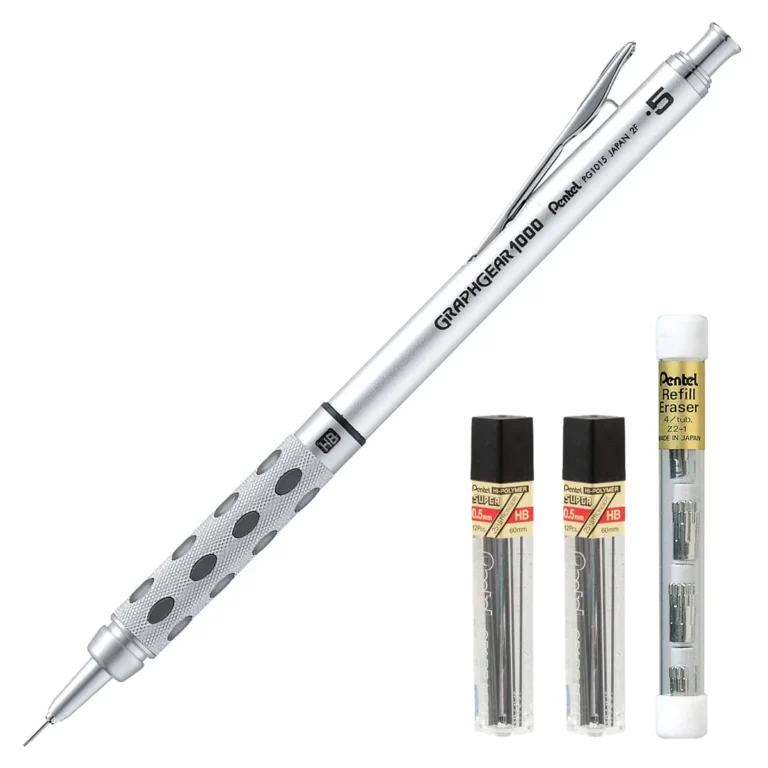
Finding the right balance often means moving to a standard HB grade for everyday work. If you need maximum line stability for creative tasks, look into a specialized drafting instrument that handles softer leads without constant failure.
Step-by-Step Fixes for Better Writing Technique and Setup
Fixing pencil lead breakage requires a mix of mechanical adjustments and habit changes at your desk. Follow this simple process to protect your graphite from unnecessary stress.
- Advance only 0.5mm to 1mm of lead past the metal guide pipe. Extended lead loses internal support and snaps immediately.
- Lighten your grip pressure until the pencil glides smoothly across the paper surface. Let the graphite do the work without forcing it.
- Tilt your hand so the barrel rests at a natural 45-to-60-degree angle relative to the desktop.
- Rotate the pencil slightly between words to prevent flat spots from forming on one side of the lead.
- Store your pencil with the sleeve fully retracted to protect the delicate tip from bends caused by accidental drops.
Mechanical Solutions: Pencils Designed to Stop Breakage
When technique alone does not solve the problem, engineering comes to the rescue. Modern stationery manufacturers have designed specialized internal mechanisms that absorb shock and prevent snap-happy moments.
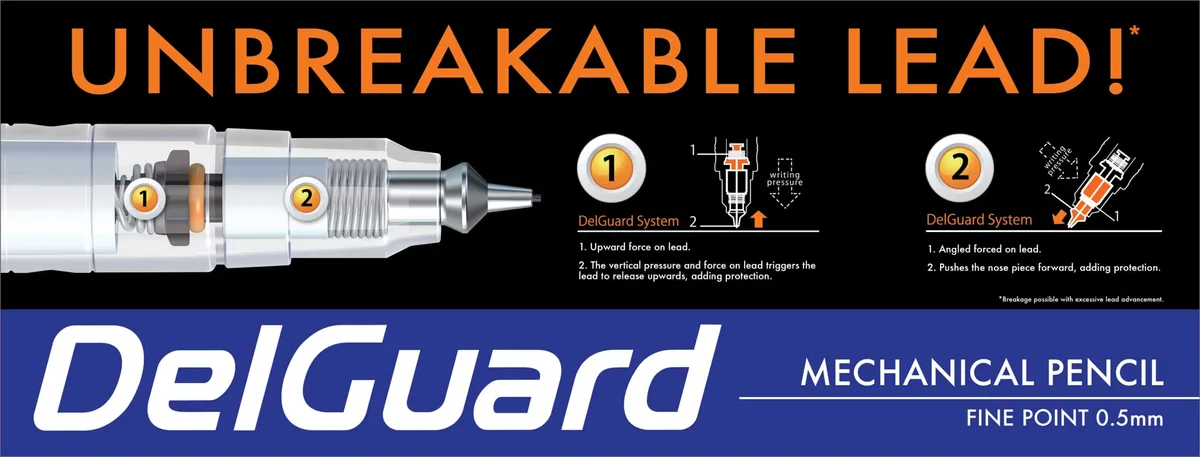
Image source: Bing (Web (fair-use with source credit))
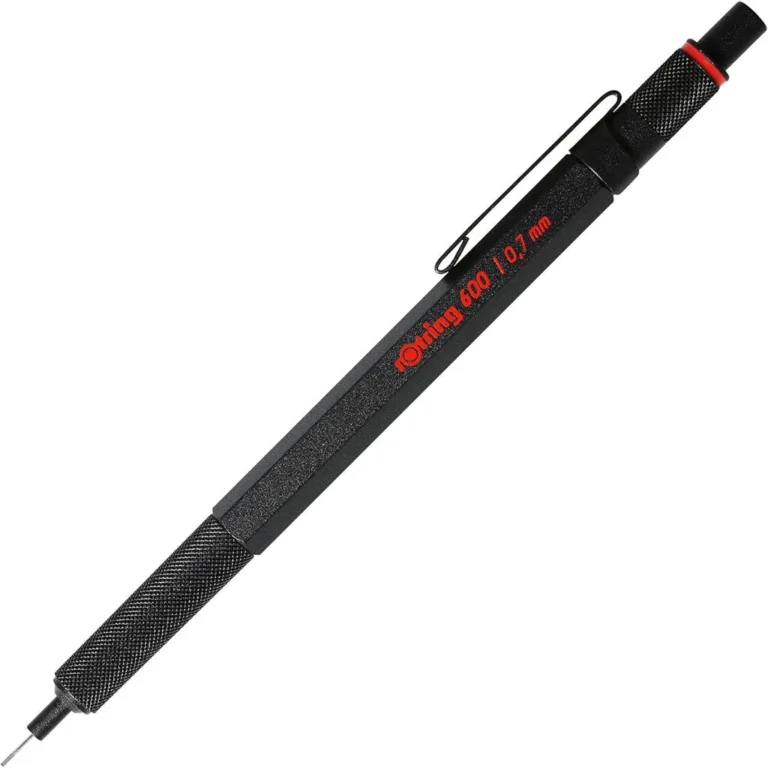
Some pencils feature a sliding lead sleeve that retracts automatically as the graphite wears down. This metal shield supports the lead right up to the writing surface, leaving zero exposed graphite to snap under pressure. Other advanced models utilize internal spring cushions that absorb vertical impact when you press down too hard.
When you want an upgrade that handles heavy pressure automatically, exploring a top-tier writing instrument with shock-absorbing technology makes a noticeable difference. You can also consult manufacturer resources like the ISO technical standards documentation for details on manufacturing tolerances in writing instruments.
Common Mistakes That Ruin Your Lead and Tips to Avoid Them
Small daily habits often cause persistent lead breakage without you realizing it. Clicking out too much graphite leaves the core unsupported, turning the lead into a tiny lever that snaps at the slightest lateral force.
Another common error is writing on textured paper with a very sharp, thin lead grade. The rough tooth of heavy watercolor paper or cheap notebooks catches the tip and snaps it instantly.
- Never click out more than two clicks of lead at a time.
- Avoid pressing down hard to make carbon lines darker; switch to a softer lead grade instead.
- Clear out broken lead fragments immediately using a cleaning pin rather than forcing a new stick through a jam.
- Keep your mechanical pencil in a dedicated pen case to protect the lead sleeve from bending inside your backpack.
Frequently Asked Questions About Mechanical Pencil Lead Breakage
Why does my mechanical pencil lead keep breaking inside the tip?
Lead usually breaks inside the tip when tiny graphite fragments jam the clutch mechanism. This often happens after dropping the pencil, which bends the internal guide pipe. Clear the jam using the cleaning pin found under the eraser cap.
Is 0.5mm lead too fragile for normal writing?
The 0.5mm size works well for normal handwriting if you keep a light grip. Heavy-handed writers frequently snap 0.5mm lead and benefit from switching to a thicker 0.7mm or 0.9mm size for everyday tasks.
Does the brand of pencil lead affect breakage?
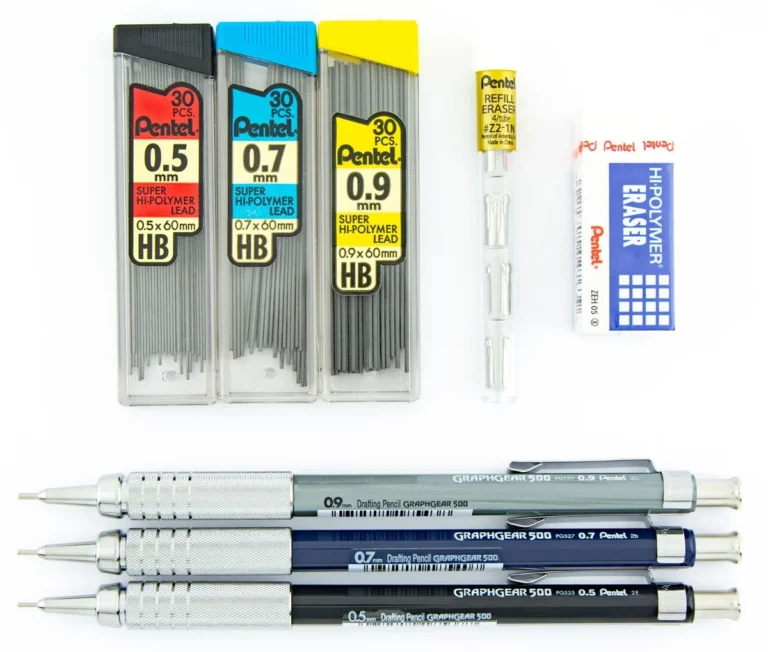
Cheap, unbranded lead often contains uneven air pockets and impurities that cause random snaps. Premium polymer leads use uniform graphite structures that offer much higher tensile strength and bend resistance.
How can I stop my lead from sliding back inside the barrel?
If your lead pushes back into the pencil while writing, the internal brass clutch is likely worn out or dirty. Clean out graphite dust from the tip assembly. If the clutch remains loose, the pencil body requires replacement.
Should I store my mechanical pencil with lead extended?
Always retract the lead and the guide pipe completely before storing your pencil. Leaving the lead extended invites accidental snaps and bends the metal sleeve if the pencil rolls off a desk.