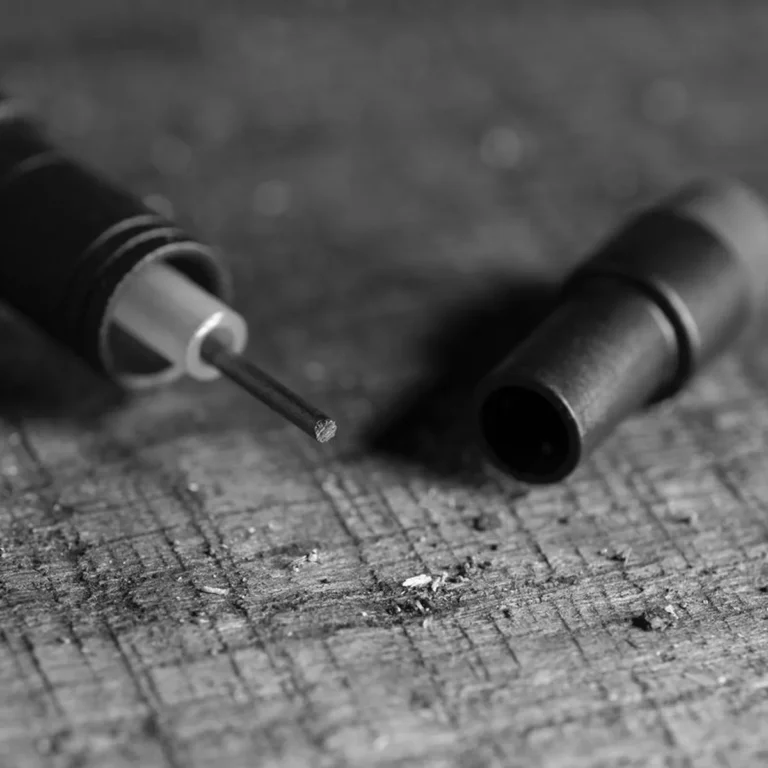
Are Mechanical Pencils Good for Sketching?
Finding the right pencil for your drawing sessions can completely change how your lines flow. Many artists wonder if mechanical pencils good for sketching can replace traditional wood-case pencils in a daily drawing routine.
Manufacturer specifications indicate that polymer graphite leads in thin sizes require specific break-resistant formulas to handle artistic pressure. Let us look at how these tools perform on paper as of 2026.
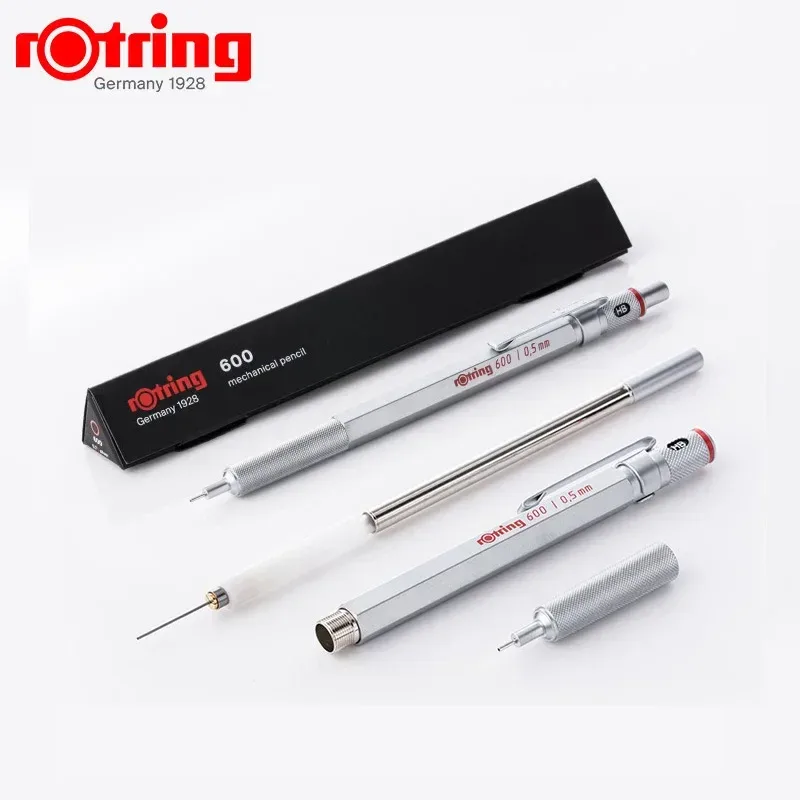
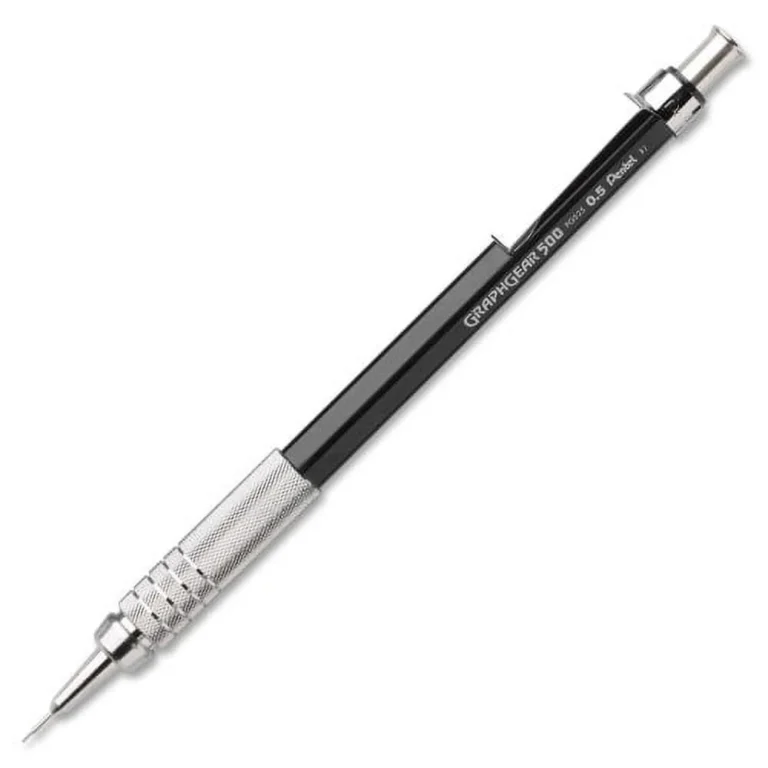
Image source: Bing (Web (fair-use with source credit))
Quick Answer
Mechanical pencils are great for sketching fine details. They never need sharpening during drawing sessions. Line width stays completely consistent.
You get precise control over hatching. They lack broad shading edges.
Why Sketchers Either Love or Hate Mechanical Pencils
Artists divide cleanly into two camps when talking about thin-lead instruments. Some love the constant line width and clean desk setup. Others miss the expressive, sweeping marks of a traditional wood-case pencil.
The main appeal comes down to precision. You never stop drawing to sharpen a dull point. That helps when you work on complex architectural drawings or detailed botanical sketches.
Critics point out that sketching relies heavily on tone variation. A standard 0.5mm point digs into paper tooth if you press too hard. Finding soft grades like 4B or 6B in thin diameters remains difficult.
Your drawing style dictates your preference here. If you enjoy crisp lines and geometric precision, mechanical versions fit right into your workflow. If you prefer loose gesture drawing, you might find them too rigid.
The Mechanics: How Lead Sizes and Grades Change Your Lines
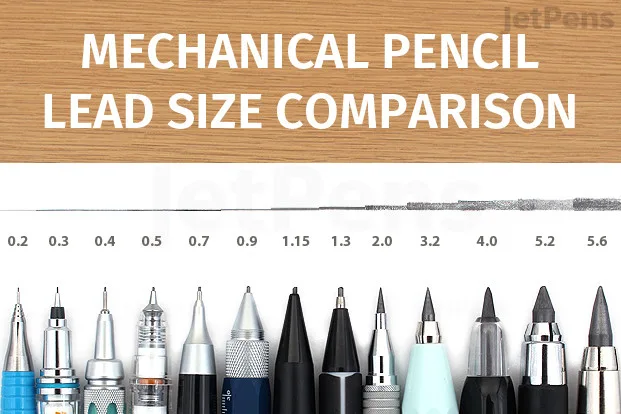
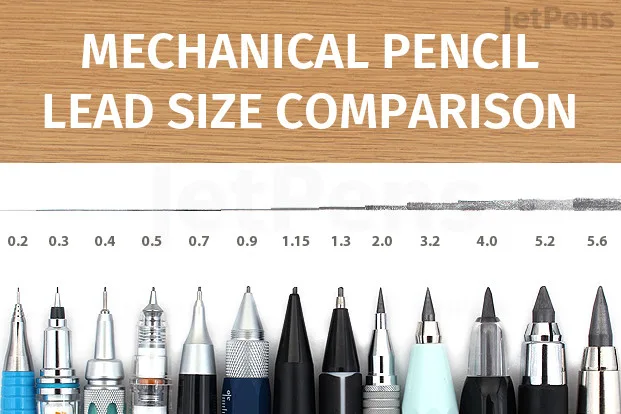
Image source: Bing (Web (fair-use with source credit))
The performance of your tool depends heavily on the diameter and hardness grade inside the barrel. Choosing the right combination prevents constant snapping and gives you the exact marks you need on the page.
Here is how different lead configurations behave during drawing sessions:
| Lead Diameter | Best Used For | Common Hardness Grades |
|---|---|---|
| 0.3mm | Micro details, hair, fine architectural lines | 2H, HB, B |
| 0.5mm | General sketching, hatching, clean outlines | HB, 2B, 4B |
| 0.7mm | Shading, bolder lines, everyday drawing | HB, 2B |
| 2.0mm | Broad strokes, expressive sketching, shading | 4B, 2B, HB, H |
Thinner leads like 0.3mm and 0.5mm demand a lighter touch. Pressing too hard turns your pencil into a paper cutter. If you want to explore different options for your workflow, taking a look at a curated list of student-friendly drawing tools helps clarify what works best on heavy paper.
Heavier 2mm lead holders bridge the gap between wood pencils and mechanical systems. You sharpen them with a lead pointer just like traditional pencils. This gives you a broad wedge for shading while keeping a refillable metal body.
Pros and Cons of Sketching with Mechanical Pencils
Every sketching tool brings a trade-off to your drawing board. Weighing these factors helps you decide whether to pack a mechanical pencil for your next outdoor sketching trip.
Consistency: The line width remains identical from the first stroke to the last mark on the page.
No Sharpening: You skip the pencil sharpener entirely, saving time during fast-paced gesture sessions.
Durability: Metal barrels and fixed sleeves protect the graphite from breaking inside your bag.
Refillability: You keep the same balanced grip for years by simply dropping in new lead refills.
Limited Shading: You cannot easily tilt the tip to use the flat side for broad shading areas.
Breakage Risk: Thin leads snap frequently if you draw with heavy, aggressive hand pressure.
Value Range: It is harder to achieve deep, velvety blacks without specialized soft leads.
Mechanical Jamming: Graphite dust can build up inside the clutch mechanism over time.
Mechanical Pencils vs. Traditional Wood-Case Pencils

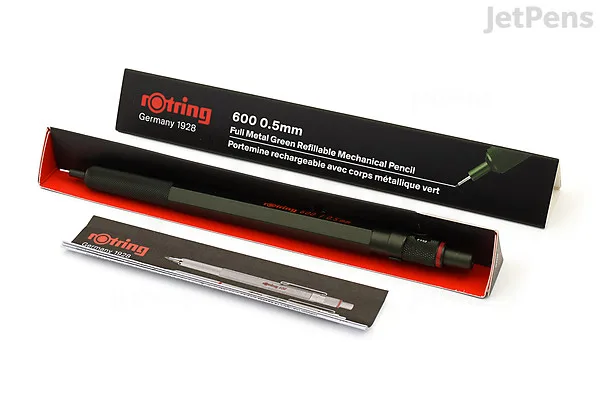
Image source: Bing (Web (fair-use with source credit))
Comparing mechanical options to traditional wood-case pencils reveals fundamental differences in how graphite interacts with your drawing paper. Wood pencils change shape as you use them. The tip wears down into a chisel shape naturally, letting you shift from a sharp point to a wide mark instantly.
Mechanical pencils maintain a uniform point. This is fantastic for precise technical illustration, but it fights against loose, organic shading techniques. If you lean toward expressive figure drawing, wood pencils or charcoal often feel more natural in the hand.
Brand standards and ISO guidelines for drafting materials note that polymer leads offer superior bending strength compared to traditional clay-and-graphite mixtures. You can read more about drafting standards through the International Organization for Standardization.
When you need an upgrade for your art supplies, checking out top-rated mechanical options for artists gives you a clear view of heavy-duty brass clutches and knurled grips designed specifically for long drawing sessions.
When to Grab a Mechanical Pencil (and When to Leave It Behind)
Knowing when to deploy your mechanical pencil saves you from frustration on the page. If your project demands clean perspective lines, crisp hatching, or tiny details, reach for a 0.5mm or 0.7mm instrument.
Urban sketching on the go also benefits from these tools. You do not carry a shavings mess or a bulky sharpener in your field kit. The retractable sleeve prevents the tip from puncturing your pockets.
Leave the mechanical pencil behind when you tackle loose, sweeping charcoal-style gestures on heavy watercolor paper. Broad tonal washes require the wide lead exposure of a traditional wood pencil or a 2mm lead holder.
Balancing your tool choice keeps your drawing sessions smooth. Many artists keep both types in their pencil case, switching tools depending on the specific phase of the sketch.
Common Pitfalls: Lead Breakage, Flat Spots, and How to Fix Figs
Lead breakage happens when your hand pressure exceeds the tensile strength of the thin graphite filament. This frustration peaks when you use soft 2B or 4B grades in 0.3mm or 0.5mm diameters. The tiny polymer cylinder bends slightly under heavy pressure and snaps cleanly inside the metal sleeve.
Flat spots form when you draw at a fixed angle without rotating the barrel. Traditional wood pencils wear down into an angled chisel tip that naturally self-corrects as you turn the pencil. Mechanical tips stay round, which creates uneven line widths if a flat edge develops on one side of the lead.
You can fix these drawing issues by adjusting your hand mechanics and equipment habits. Rotate the barrel slightly between strokes to keep the wear pattern even across the graphite tip. Switch to a ratcheting mechanism pencil that turns the lead automatically as you lift it from the page.
Keep your drawing angle slightly higher relative to the paper surface. Pushing a thin lead at a low angle increases lateral stress and triggers frequent snaps. Lighter hand pressure combined with harder lead grades solves most breakage problems during detailed shading sessions.
Frequently Asked Questions About Sketching with Mechanical Pencils
Can you do dark shading with a mechanical pencil?
Deep dark shading is difficult with standard thin leads because higher graphite hardness grades dominate smaller diameters. You can mitigate this by purchasing specialized soft 4B leads for 0.5mm or 0.7mm sizes. For true velvety blacks, a 2mm lead holder remains the better choice.
Which lead size is best for general sketching?
The 0.5mm and 0.7mm sizes offer the best balance for general drawing work. A 0.5mm point handles intricate hatching and crisp outlines with ease. A 0.7mm point resists snapping much better when you lay down darker value fields.
Do mechanical pencils need special paper for sketching?
You do not need specialized paper, but smooth drawing surfaces prevent thin leads from catching and splintering. Heavy textured watercolor paper can snap fragile 0.3mm points if you press too hard. A fine-tooth sketchpad provides the ideal grip for polymer graphite.
How do you stop lead from jamming inside the barrel?
Lead jams happen when broken graphite fragments collect behind the brass clutch mechanism. Clear the blockage by unscrewing the tip assembly and inserting the cleaning pin from the rear end of the metal guide pipe. Store your pencils with the lead retracted to minimize internal stress.
Final Verdict: Which Sketching Style Fits Your Tool?
Your ideal drawing instrument depends entirely on the kind of art you create in your sketchbook. Mechanical pencils excel at precise line work, architectural rendering, and detailed botanical illustration. They keep your lines crisp without requiring a trip to the sharpener every five minutes.
Traditional wood-case pencils and lead holders win out if your artistic style relies on loose gestures and expressive tonal shading. They let you tilt the tip for broad strokes that thin mechanical leads cannot replicate. Many artists keep both options handy, pairing a precision 0.5mm tool with a soft wood-case pencil for complete versatility.
Assess your usual drawing subjects before committing to a single setup. If you value clean lines and consistent widths above all else, a durable metal-bodied mechanical pencil deserves a permanent spot in your kit.