How Do You Remove Broken Lead From a Mechanical Pencil?
If you use fine-writing tools daily, you have likely asked yourself, "How do you remove broken lead from a mechanical pencil?" when a tip suddenly goes silent. A tiny piece of graphite snaps inside the narrow metal sleeve, blocking new graphite from feeding through the clutch.
Manufacturer specifications indicate that standard graphite breaks under minimal side pressure, often leaving a 2mm to 4mm fragment wedged deep inside the guide pipe. Clearing this blockage takes just a few minutes if you use the right technique.
Quick Answer
You remove broken lead by pushing it out from the rear or pulling it from the front. First, unscrew the grip or pull off the eraser cap. Next, insert a fine cleaning pin from the back feed tube.
Push the jammed graphite gently out through the front tip. Never force thick needles into the delicate brass sleeve.
Why Mechanical Pencils Jam (And Where the Broken Lead Hides)
Mechanical pencils jam because graphite is soft and brittle. When you press too hard or drop the instrument, the lead snaps right at the point where the internal clutch holds it. This creates a tiny blockage that prevents new graphite from advancing.
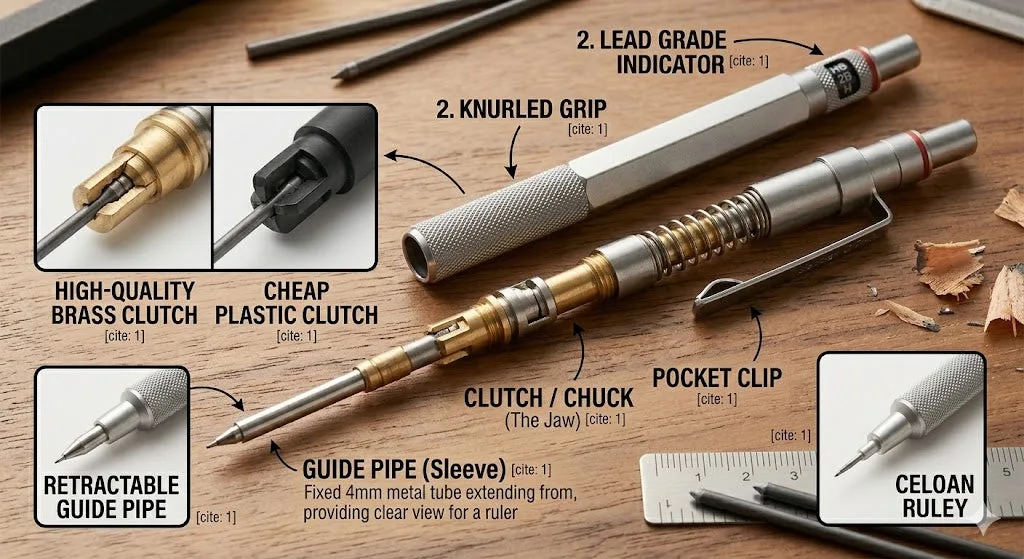
The broken piece usually hides in one of two spots. It either wedges tightly inside the brass lead sleeve at the very tip, or it jams further back inside the metal clutch jaws. If you notice a complete lack of resistance when you click the top button, the clutch is missing its grip.
If the button won't click down at all, a graphite fragment is jammed solid in the front pipe.
Finding the exact location saves you from damaging internal parts. You need to inspect both ends of the graphite channel before poking around with metal tools. Reviewing a reliable guide on top-rated writing instruments shows that high-end drafting models have tighter tolerances, making them especially sensitive to minor jams.
The Anatomy of Your Pencil: What's Happening Inside the Tip
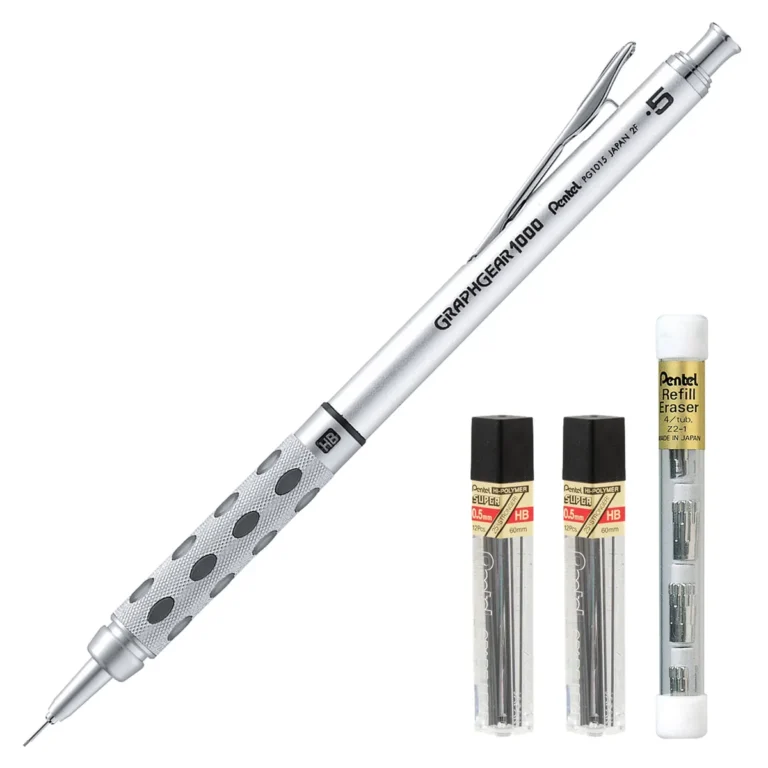
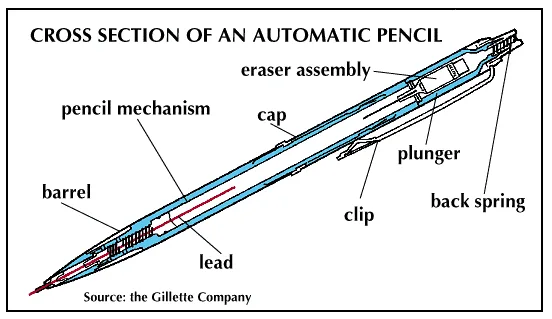
Understanding how your tool works makes clearing a blockage much easier. Beneath the outer barrel, a mechanical pencil relies on a small spring, an internal clutch, and a guide pipe. When you press the cap, the clutch opens and releases a measured length of graphite.
| Component | Material | Primary Function |
|---|---|---|
| Eraser Cap | Plastic or Metal | Covers the eraser and stores the clean-out rod |
| Clutch Mechanism | Brass or Plastic | Grips the graphite and feeds it forward |
| Lead Sleeve | Brass | Protects the fragile graphite near the tip |
| Feed Tube | Plastic or Metal | Holds spare graphite inside the barrel |
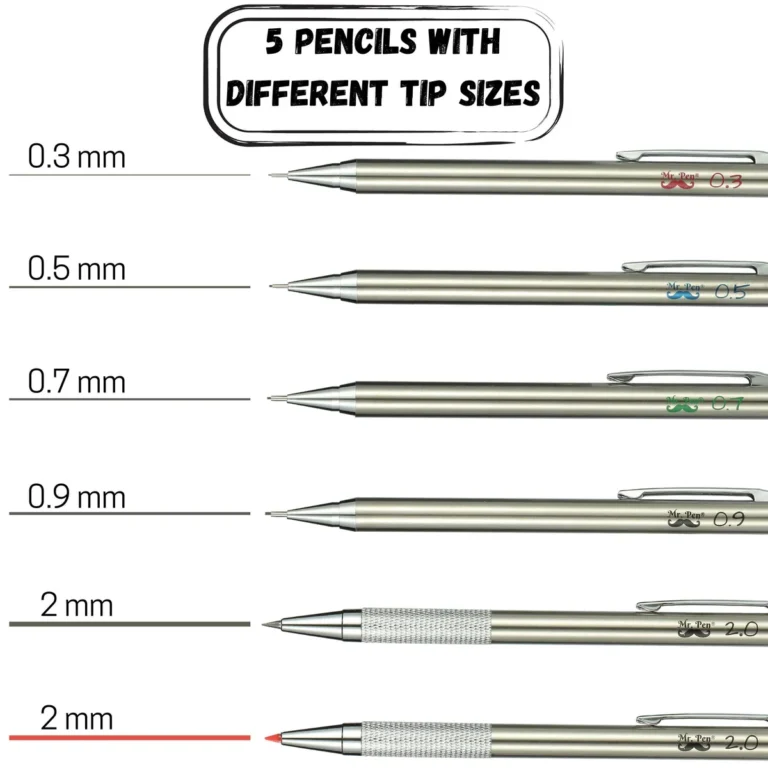
The brass lead sleeve at the tip has an inner diameter matched strictly to your lead size, such as 0.5mm or 0.7mm. Because the clearance is microscopic, even a slightly angled break causes the graphite to wedge sideways. If you are comparing options for fine work, you might want to look into 7 best mechanical pencil for students to find models with durable, clog-resistant brass clutches.
Tools You’ll Need (And What to Avoid Using)
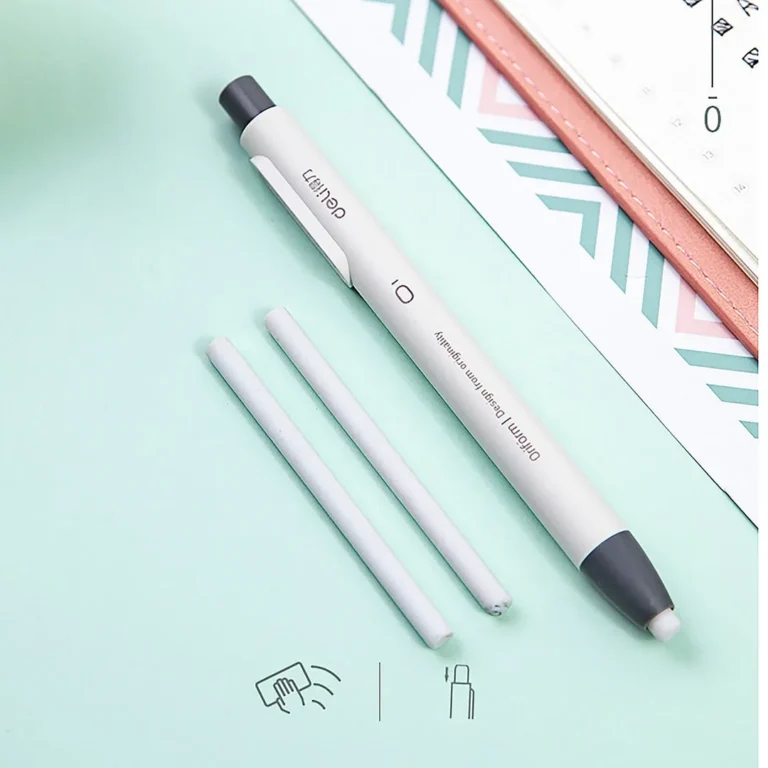
Fixing a jammed pencil requires minimal equipment, but choosing the right tools prevents permanent damage. Most quality drafting pencils come with a tiny clean-out rod tucked directly beneath the eraser. This wire is specifically sized to match your lead diameter.
- Manufacturer-supplied cleaning pin or thin sewing needle
- Small pair of precision tweezers
- A fresh stick of graphite
- A clean workspace with good lighting
Avoid using heavy sewing pins, thick paperclips, or random pieces of wire found around the house. Forcing an oversized metal pin into a 0.3mm or 0.5mm guide pipe will flare or split the brass sleeve, ruining the pencil forever. If you need a more durable option for technical work, checking out 7 best mechanical pencil for drawing can help you identify models with robust, user-serviceable tips.
Step-by-Step Guide: How to Clear a Jam from the Front and Rear
Start by removing the eraser cap and pulling out the eraser. Look closely at the bottom of the eraser to see if a metal cleaning pin is attached. If your pencil lacks a built-in pin, find a fine steel needle that matches your lead size.
Unscrew the grip section from the barrel to expose the internal feed tube. Insert your cleaning pin into the rear opening of the feed tube and push it straight through toward the tip. The jammed graphite should pop right out of the front guide pipe.
If pushing from the back does not work, try approaching the blockage from the front. Gently insert your pin into the tip of the brass sleeve to dislodge any sideways-wedged fragments. Never bend the pin while it is inside the pipe.
Once the channel is clear, drop a fresh piece of graphite into the feed tube and click the cap a few times to test the feed mechanism.
Four Costly Mistakes That Will Ruin Your Pencil Permanently
Attempting a quick fix often leads to irreversible damage if you use excessive force. Understanding standard safety guidelines helps protect your equipment and keeps you working without interruptions.
- Using a needle that is too thick for the lead size, which splits the brass guide pipe.
- Pushing a broken lead further down by jamming a new piece of graphite directly behind it.
- Bending the cleaning wire while inside the narrow barrel, leaving a snapped metal fragment stuck forever.
- Applying harsh pliers to the delicate tip assembly, which crushes the precision threading.
Research from academic and manufacturing standards bodies emphasizes that precision mechanical components require gentle, linear force rather than torque. Keeping your repair motions straight and steady prevents structural failure. For broader insights on maintaining precision tools, you can consult resources provided by the National Institute of Standards and Technology.
Keeping Your Mechanical Pencil Jam-Free for the Long Haul
Preventing future blockages starts with choosing the right graphite hardness and storing your writing tools correctly. Softer leads like 2B snap easily under heavy hand pressure, creating frequent jams in fine guide pipes. Storing your pencil in a hard case rather than a loose pocket prevents the tip from taking direct impacts that shatter internal graphite.
Cleaning the feed tube every few months removes accumulated graphite dust before it hardens into a paste. Simply remove the eraser and run the cleaning pin through the empty barrel. You can explore our guide on 7 best mechanical pencil (2027) to find models equipped with anti-jam mechanisms and protective retractable tips.
Avoid dropping your pencil on hard classroom floors or office desks. Impact shock is the primary cause of internal lead fragmentation. If you notice the clutch slipping, clear out any tiny shards immediately to prevent permanent wear on the brass jaws.
Frequently Asked Questions About Mechanical Pencil Jams
Can I use a regular sewing needle to clear a jammed pencil?
You can use a sewing needle only if its diameter is significantly smaller than your lead size. Using a needle that is too thick will split the brass sleeve permanently. Always prefer the manufacturer cleaning pin tucked under the eraser.
Why does my pencil keep jamming repeatedly?
Repeated jamming usually stems from using low-quality soft graphite or applying too much downward pressure while writing. Switching to a harder grade like HB or 2H reduces breakage significantly. Inspecting top-tier writing instruments also reveals that worn clutch jaws fail to grip thin leads securely.
What should I do if the cleaning pin snaps inside the tip?
A snapped pin is extremely difficult to remove because steel wire bends inside narrow brass pipes. You can try grabbing the protruding fragment with precision micro-tweezers. If the metal is entirely flush, replacing the front tip assembly is usually necessary.
How do I know if my pencil clutch is damaged?
A damaged clutch fails to hold new graphite in place when you press the top advance button. If the lead slides right back inside the barrel under normal writing pressure, the internal brass jaws are worn or bent. You will need to replace the internal mechanism or get a new pencil.
Is it safe to push a broken lead down with a new stick?
Pushing a broken fragment down with a fresh stick of graphite almost always worsens the jam. The new piece wedges tightly against the sideways fragment, creating a solid block. Always clear jams from the rear feed tube using a thin metal rod.