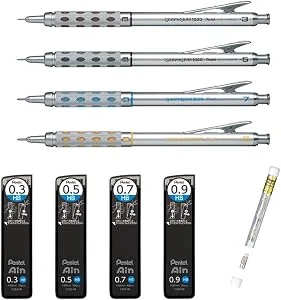
How Much Lead Should You Put in a Mechanical Pencil?
When you drop a single graphite refill into your writing tool and wonder if it is enough, you are asking a very common question. How much lead should you put in a mechanical pencil? The answer depends entirely on the internal capacity of the metal chamber and the specific diameter of the graphite you are using.
Manufacturer specifications indicate that standard everyday models hold between three and six refills at once. If you load too many, you risk a jammed feed system that stops writing entirely.
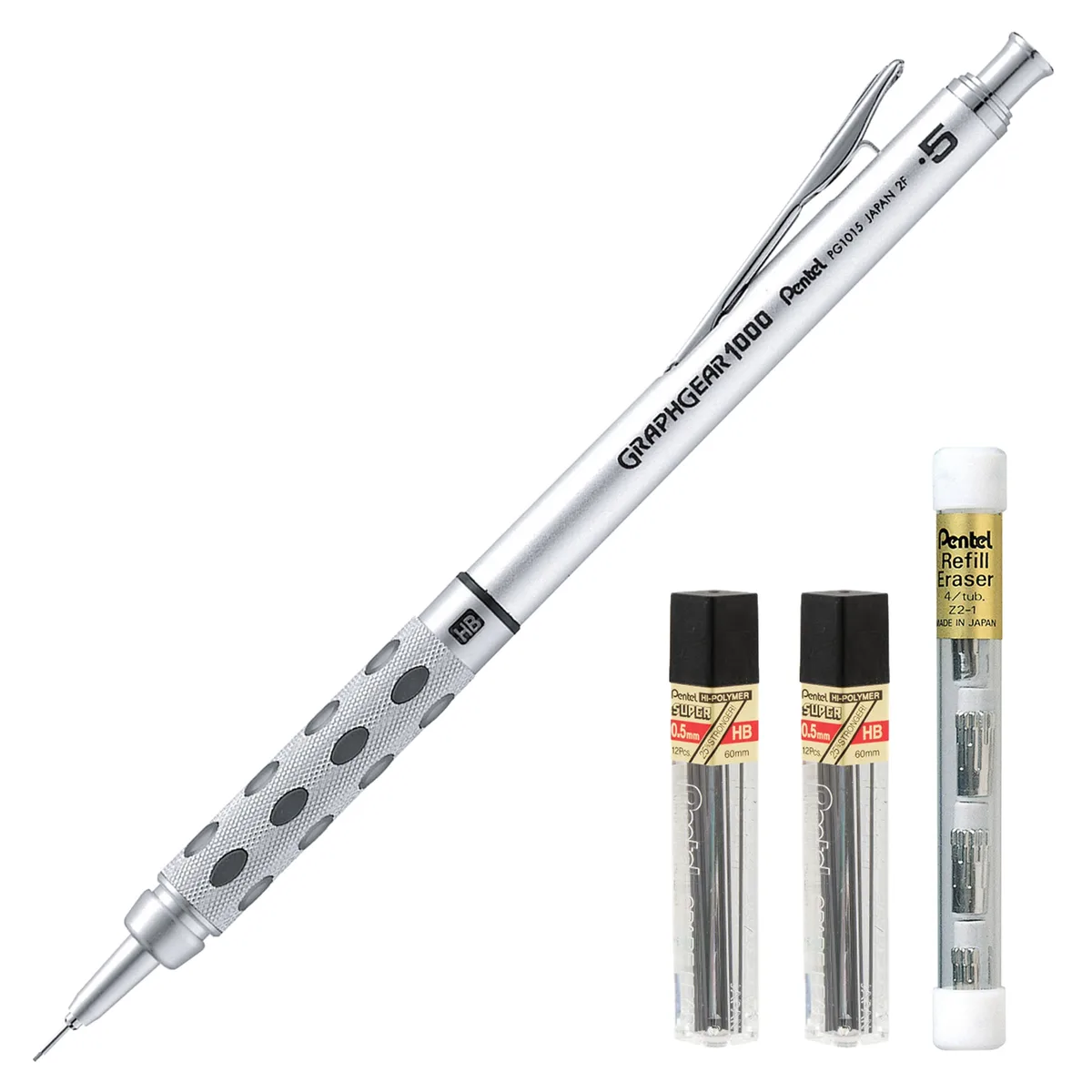
Image source: Bing (Web (fair-use with source credit))
Quick Answer
How much lead should you put in a mechanical pencil? Load two or three refills at a time. This prevents internal jamming.
Never force extra graphite past the clutch. Check your barrel capacity first. Leave room for the mechanism to move freely.
Why Overfilling Your Mechanical Pencil Causes Jams
If you try to stuff a dozen graphite sticks into your writing instrument, you will likely cause a jam. The metal reservoir inside the barrel is not a bottomless pit. It has a strict holding limit designed to match the length of the metal clutch.
When you cram too many refills into the chamber, they push against each other and create outward pressure. This pressure bends the thin graphite sticks or wedges them sideways against the inner walls.
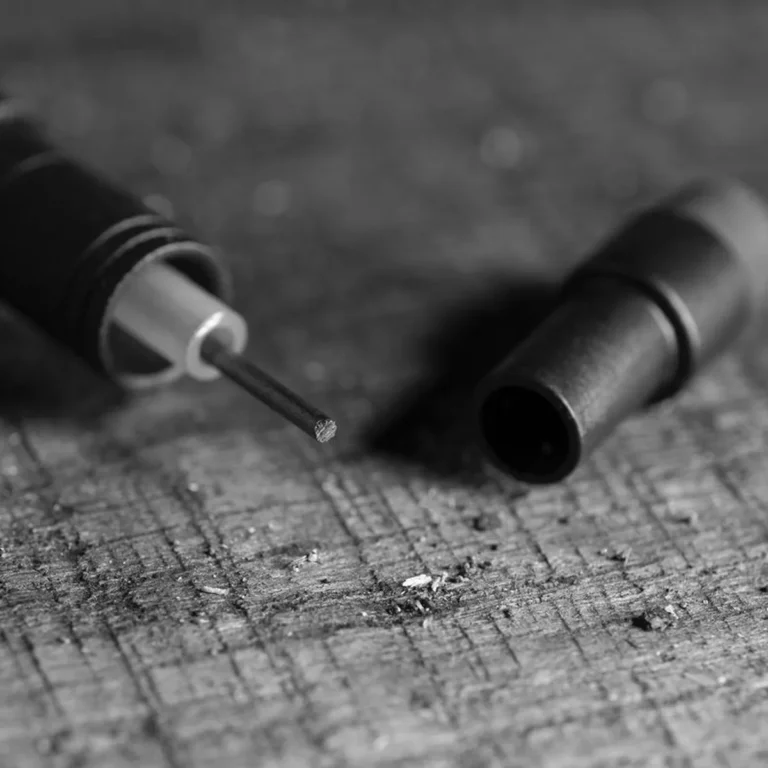
Once the graphite breaks apart inside the chamber, tiny fragments slip down into the chuck. The clutch mechanism relies on a precise grip to advance a single stick forward. Debris and excess sticks prevent the metal jaws from opening and closing properly.
You end up with a clicking button that refuses to feed anything.
Research from pen manufacturers shows that overfilling is the number one cause of mechanical pencil failure. Users often assume that more graphite means less frequent reloading. In reality, jamming ruins the internal components and forces you to take the whole pen apart with a cleaning pin.
Sticking to a moderate amount protects the internal springs and ensures smooth daily writing.
The Golden Rule: How Many Leads Should You Actually Load?
You should typically load no more than two or three graphite sticks into a standard chamber at once. This count leaves enough clearance for the push-button spring to compress without crushing the refills. If you use a high-capacity model intended for drafting, you might fit up to five sticks safely.
But three remains the safe sweet spot for almost all everyday writing tools.
Think of the reservoir as a loading dock rather than a storage locker. Keeping a separate plastic tube of refills in your bag is much safer than packing the barrel to the brim. When your pen starts to feel empty, drop in just one or two new pieces.
If you are comparing your daily writing setup to what a professional uses, you will find that students and artists prefer reliable feeding over maximum storage.
If you are looking for a reliable writing tool for daily academic or professional tasks, you can explore options like a top-rated student writing instrument that features a well-engineered internal clutch. Keeping the chamber half-full prevents the annoying rattling sound that drives writers crazy during a quiet lecture. It also ensures that the final piece of graphite does not wedge itself behind the new batch and cause an awkward blockage.
Inside the Barrel: The Clutch Mechanism Handles Lead
The internal mechanics of a writing instrument rely on a tiny, precise assembly. When you click the top button, a small metal or plastic jaw opens inside the tip. This clutch grips the graphite and pulls it back or pushes it forward by a fraction of a millimeter.
The chamber above this clutch acts as a gravity feed.
As you write down the page, the graphite column slowly descends. When the active stick drops below a certain length, the next stick in line falls into place behind it. If you have too many refills stacked up, the weight of the column can interfere with this gentle handoff.
The friction inside the narrow tube becomes too high for gravity to overcome.
Technical standards established by manufacturers like ISO and major pen producers emphasize precision tolerances for writing instruments. The inner diameter of a standard tube is machined to within micrometers of the specified graphite size. Even a tiny piece of grit or a slightly warped refill can disrupt the flow.
Understanding this delicate balance helps you treat your writing tools with the care they deserve.
Step-by-Step: The Right Way to Refill and Clear Jams
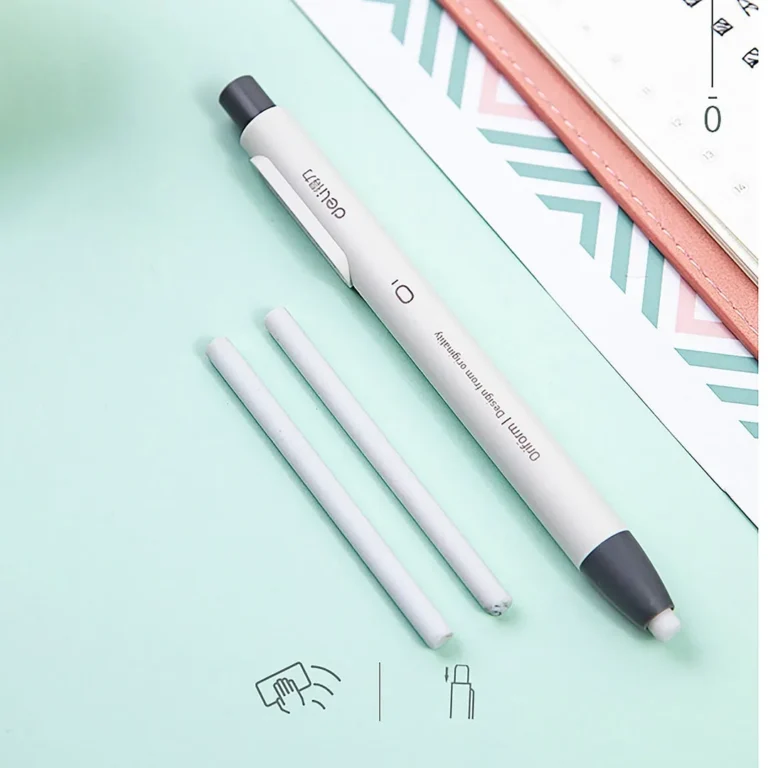
Refilling your writing instrument correctly takes just a few seconds if you follow a steady routine. Removing the eraser cap exposes the opening of the lead reservoir. Never drop refills through the tip of the pencil unless the manufacturer specifically instructs you to do so.
Dropping them in from the top ensures they align properly with the clutch jaws below.
- Remove the eraser cap and set it aside safely on your desk.
- Shake out any broken graphite fragments or old stubs left in the chamber.
- Drop in two or three new graphite sticks of the correct diameter.
- Replace the eraser cap and click the button a few times until the tip advances.
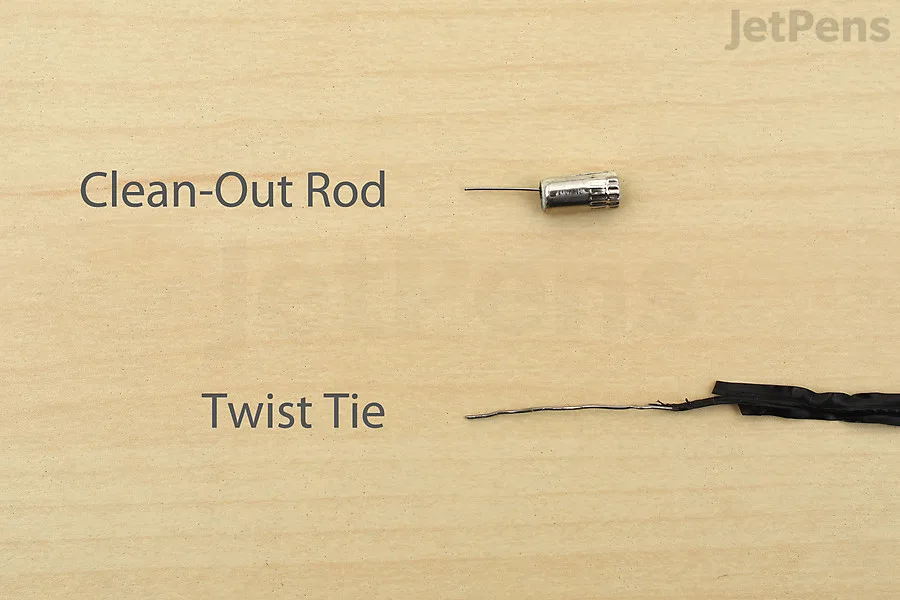
Image source: Bing (Web (fair-use with source credit))
If a jam occurs, do not force another refill down the barrel. Take off the cap, empty out the contents, and use the thin metal cleaning pin attached to the eraser. Push the pin upward from the writing tip to clear out any jammed fragments.
If you are shopping for a tool built for detailed creative work, you can review aggregate user feedback on a precision artistic writing tool that includes a built-in cleaning wire under the cap.
Lead Capacity by Size: From 0.3mm to 2.0mm Drafting Pencils
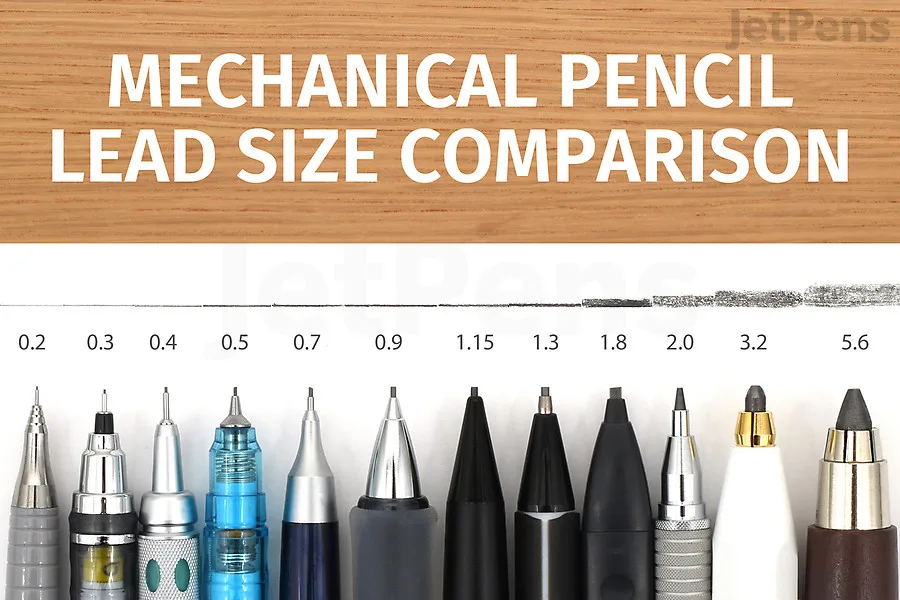
Image source: Bing (Web (fair-use with source credit))
The physical size of your graphite dictates how many sticks you can safely store inside the barrel. Thinner sizes require more delicate handling, while larger drafting sizes operate on completely different internal systems. Matching your load size to the exact millimeter rating prevents costly jams and broken tips.
| Lead Diameter | Typical Capacity | Best Suited For |
|---|---|---|
| 0.3mm | 2 to 3 leads | Ultra-fine technical lines and intricate drafting |
| 0.5mm | 3 to 4 leads | General writing, mathematics, and note-taking |
| 0.7mm | 4 to 5 leads | Everyday journaling and heavy-handed writers |
| 0.9mm | 4 to 6 leads | Bold lines, sketching, and standardized testing |
| 2.0mm | 1 lead | Traditional drafting lead holders (clutch pencils) |
Working with ultra-fine 0.3mm graphite demands extra care because the sticks snap easily under pressure. You should never load more than two of these fragile sticks at a time. On the other end of the spectrum, 2.0mm drafting pencils hold just a single piece of thick graphite because they use a jaw-release clutch rather than a click-advance mechanism.
If you want an upgrade for your desk setup, you can check out a comprehensive mechanical pencil review that covers various barrel capacities and grip styles. Knowing your tool's specific limits lets you load the right amount every time. You get smooth lines without the frustration of constant blockages.
Common Mistakes That Ruin Your Lead Feed System
Many writers unknowingly sabotage their writing instruments through simple daily habits that strain the internal clutch. Dropping graphite through the front tip instead of the top reservoir is a frequent error. This backward loading forces tiny shards against the closed chuck jaws.
You end up with an instant jam that requires a total teardown to fix.
Another common mistake involves mixing different brands of polymer graphite in the same barrel. Not all manufacturers cut their refills to the exact same outer diameter tolerances. A slightly thicker budget refill can wedge tightly beside a standard premium stick inside the narrow chamber.
Stick to one reliable brand of graphite for each pen you own.
Storing your writing tools unprotected at the bottom of a backpack also causes hidden damage. Constant vibration and heavy pressure from textbooks can snap the graphite sticks inside the barrel. Once those internal pieces fracture into dust, the feed mechanism stops working completely.
Keep your tools in a dedicated pencil case or shirt pocket to extend their lifespan.
Frequently Asked Questions About Mechanical Pencil Lead Capacity
What happens if you put too many leads in a mechanical pencil?
Overfilling creates outward pressure that bends the graphite sticks inside the barrel. These broken pieces then jam the metal clutch mechanism. Your push button will click without advancing any graphite.
Can you load graphite from the front tip?
You should always load refills through the top reservoir after removing the eraser cap. Loading from the front forces graphite past a closed clutch. This action damages the delicate metal jaws.
Why does my mechanical pencil keep breaking lead inside?
Internal breakage usually stems from using low-grade graphite or overfilling the reservoir. Dropping the pen on hard surfaces also shatters the graphite column inside. Switch to a resilient polymer blend to reduce snapping.
How do you clear a jammed mechanical pencil?
Remove the eraser cap and empty out all loose graphite sticks from the chamber. Take the metal cleaning pin attached to the eraser and push it up through the tip. This pushes out any trapped fragments.
Do all mechanical pencil sizes hold the same amount?
Different diameters have very different internal capacities. Thinner 0.3mm models hold only two or three sticks due to fragility. Larger 0.9mm models can safely store up to six pieces.