How Long Does Mechanical Pencil Lead Last?
When you use a mechanical pencil, a single question often pops up when the graphite suddenly snaps. How long does mechanical pencil lead last? The lifespan depends heavily on your writing pressure, the lead diameter you choose, and how many pages you churn through each day.
As of 2026, students and drafters rely on these refillable tools because they offer unmatched line consistency without the constant hassle of a wood-pencil sharpener. Let us break down the real-world numbers behind your daily writing habits.
Quick Answer
A single 60mm stick of 0.5mm mechanical pencil lead lasts for roughly 450 to 500 words of standard writing. That translates to about two pages of college-ruled notebook paper. Soft lead grades wear down faster than hard lead grades.
Heavy hand pressure cuts this lifespan in half. Every pack usually contains twelve to twenty-four individual leads.
Why Mechanical Pencil Lead Longevity Surprises Most Writers
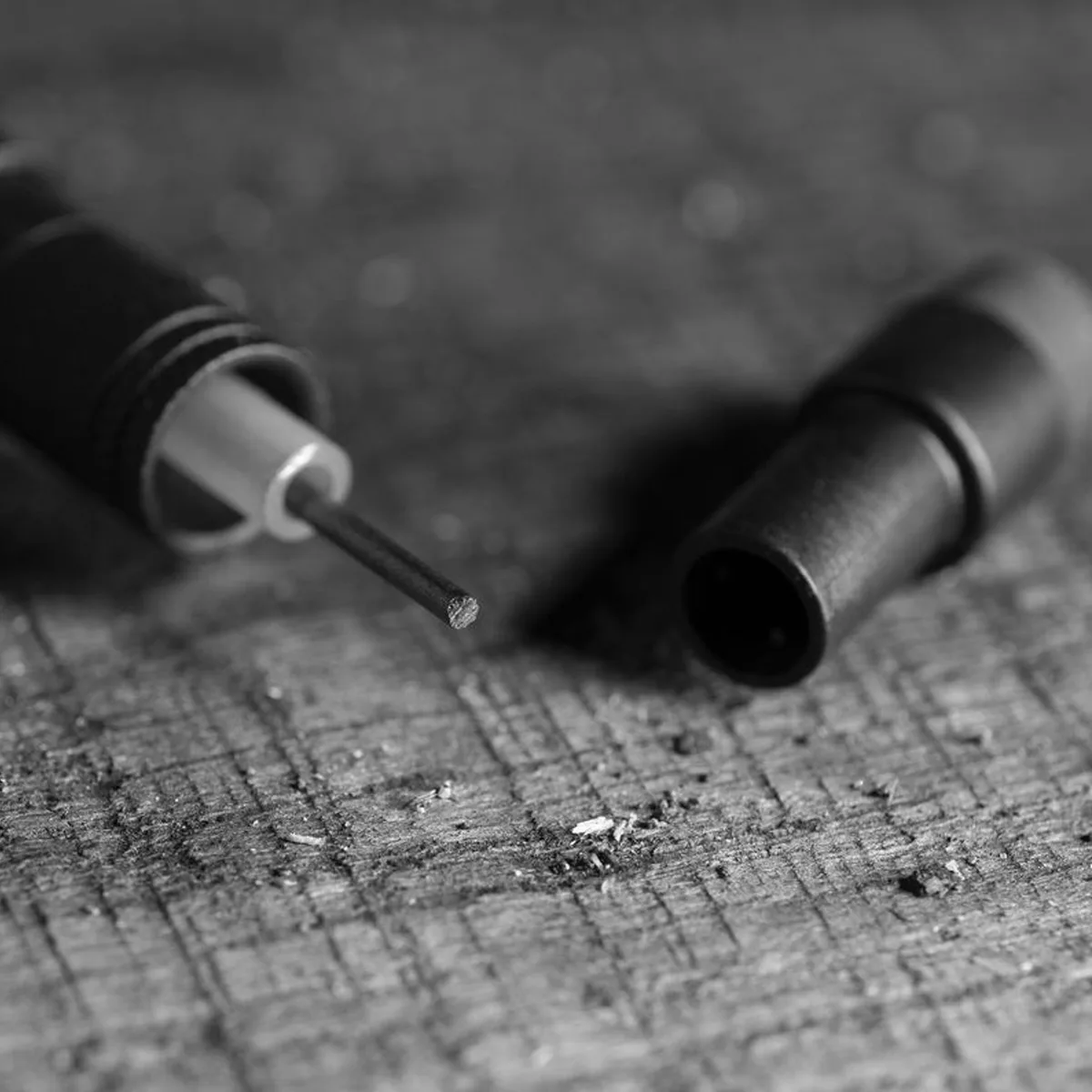
Image source: Bing (Web (fair-use with source credit))
Most users assume a single piece of graphite will last through an entire exam or a long lecture. Real-world usage proves that lead vanishes much faster than wood pencils. A standard graphite stick measures about 60 millimeters in length inside the barrel.
Each stroke grinds away microscopic particles of the polymer and graphite blend against the paper fibers.
If you write with a heavy hand, you will burn through a stick in a single afternoon of intense note-taking. Students often choose options from our roundup of top-rated choices for students to find a barrel that holds multiple refills at once. Lighter writers might stretch that same stick across three days of casual journaling.
Paper texture plays a massive role here as well. Rough, textured paper acts like fine sandpaper on your graphite tip. Smooth printer paper lets the material glide with minimal friction, extending the life of your lead significantly.
Real-World Writing Lifespan: How Many Pages Does a Single Stick Last?
Measuring lead in pages or words gives you a much better yardstick than counting hours. Aggregate testing shows that an average 0.5mm HB lead stick yields roughly four meters of continuous line drawing. When translated to handwriting, four meters of line equals about 450 to 500 words.
| Lead Diameter | Average Word Count per Stick | Approximate Pages (College-Ruled) | Best Daily Application |
|---|---|---|---|
| 0.3mm | 600 – 700 words | 2.5 pages | Fine drafting and tight margins |
| 0.5mm | 450 – 500 words | 2.0 pages | Standard note-taking and math |
| 0.7mm | 350 – 400 words | 1.5 pages | General writing and quick journaling |
| 0.9mm | 250 – 300 words | 1.0 page | Bold sketching and heavy pressure |
Thinner leads lay down less material per stroke, so they stretch further in terms of sheer word count. Artists shopping for precision lines often look closely at recommendations for dedicated art pencils to balance lead longevity with shading capability. Your actual mileage varies depending on your handwriting size and whether you press down hard enough to emboss the paper.
The Invisible Factors That Shorten Your Lead Life
Several hidden habits drain your lead reservoir much faster than necessary. Holding your pencil at a very steep angle concentrates all the pressure on a tiny edge of the graphite tip. This friction spike causes the lead to crumble or snap long before its material is fully used up.
Writing speed also matters because erratic hand movements create micro-fractures inside the core.
| Factor | Impact on Lead Life | How to Fix It |
|---|---|---|
| Writing Angle | High friction snaps lead early | Hold the pencil at a relaxed 45-degree angle |
| Hand Pressure | Crushes graphite microstructure | Lighten your grip and let the lead glide |
| Paper Texture | Abrades the tip quickly | Switch to smoother, premium notebook paper |
| Lead Grade | Soft 2B wears down fast | Use harder HB or H grades for longevity |
Humidity and storage conditions can also affect the internal spring mechanism of your writing tool, leading to jams that break leads prematurely. Keeping your instrument clean ensures smooth advancement every single time. If you run into mechanical snags, routine upkeep keeps your gear running smoothly.
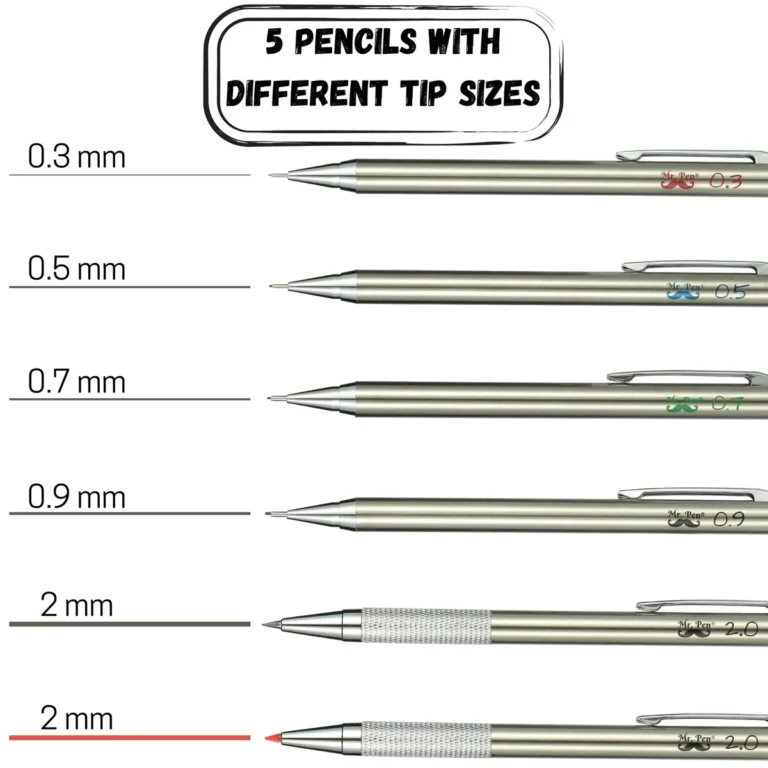
Comparing 0.3mm, 0.5mm, 0.7mm, and 0.9mm Lead Endurance
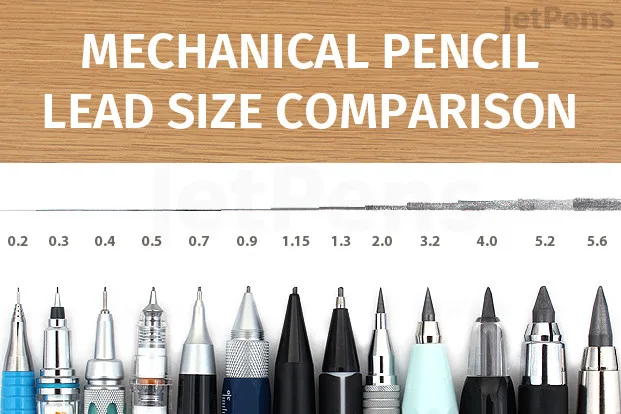
Image source: Bing (Web (fair-use with source credit))
Choosing a diameter involves a direct trade-off between line delicacy and physical durability. A 0.3mm lead breaks under minimal pressure, forcing you to advance shorter lengths and wasting more material. On the flip side, a sturdy 0.9mm lead resists snapping entirely, but it lays down a thick line that burns through the graphite mass much faster.
Engineers and technical drawers often prefer the middle ground of a reliable 0.5mm or 0.7mm size. If you write with heavy pressure, stepping up to a thicker diameter stops the constant frustration of snapping tips. Heavy sketchers frequently explore versatile drawing instruments to find the ideal balance between line weight and structural strength.
The Stub Waste Problem: Why You Lose 20% of Every Lead Stick
Every mechanical pencil user knows the annoying feeling of clicking the eraser cap only to realize the current lead has vanished entirely. The internal clutch mechanism cannot grip a piece of graphite once it shrinks below a certain length. This leftover piece, known as the stub, simply falls out of the tip or jams the internal chamber.
You typically lose about 10 to 15 millimeters of every 60-millimeter stick to this mechanical limitation. That means you throw away nearly twenty percent of your purchased graphite supply as unusable waste. To minimize this loss, you can feed a new lead directly behind the old stub so the incoming stick pushes the remnant through.
This trick saves you from tossing out perfectly good material prematurely.
How to Make Your Mechanical Pencil Lead Last Twice As Long
You can drastically stretch the life of your graphite by changing a few simple daily habits. Start by rotating your pencil slightly between words. This technique wears the tip down evenly into a flat chisel shape rather than a sharp needle.
An even tip resists snapping under pressure.
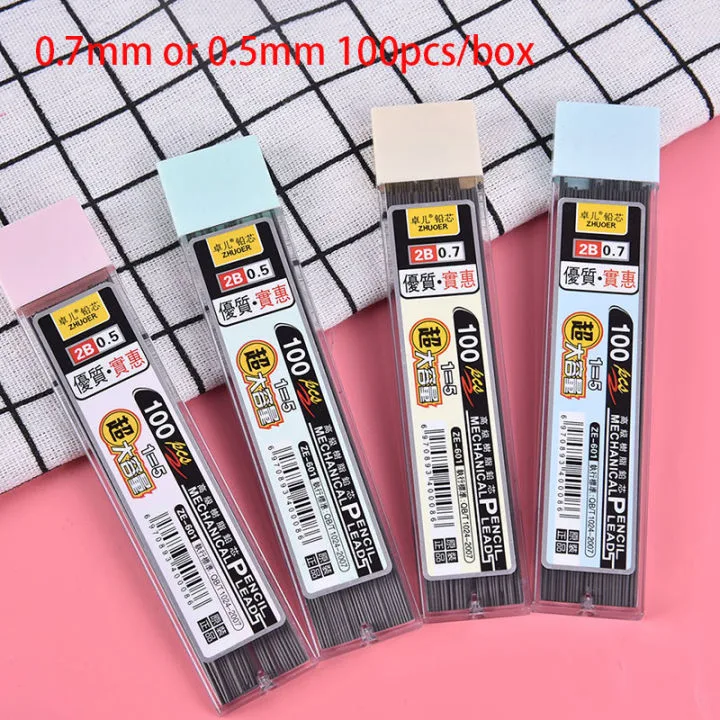
Store your refills in a sturdy hard plastic case instead of tossing loose tubes into the bottom of a backpack. Bent or micro-fractured lead sticks break instantly inside the barrel. If you want to dive deeper into proper tool handling, you can review expert guidance from the National Institute of Standards and Technology regarding material durability and stress testing.
A gentle grip also prevents unnecessary fractures.
FAQs About Mechanical Pencil Lead Durability and Usage
Can you glue broken mechanical pencil lead back together?
No, you cannot repair broken graphite lead. The microscopic fractures inside the core weaken the material permanently. Trying to use broken pieces inside the clutch mechanism usually causes jams.
Toss the short pieces out and load a fresh stick.
Why does my mechanical pencil keep breaking lead?
Frequent breaking usually stems from holding the pencil too upright or writing with excessive hand pressure. A steep angle concentrates all your force onto a tiny edge. Relax your grip and tilt the barrel closer to a forty-five-degree angle.
Are polymer leads stronger than traditional graphite?
Yes, modern polymer-graphite blends offer much higher tensile strength than old-school clay-and-graphite formulas. Manufacturers mix synthetic resins with the carbon to absorb shock. This composition prevents snapping during heavy daily note-taking.
How many lead sticks come in a standard tube?
Most retail packs contain between twelve and twenty-four individual leads. Thinner 0.3mm packs sometimes hold fewer pieces due to packaging fragility. Thicker 0.7mm and 0.9mm tubes often pack twenty-four or more sticks per container.