How Do You Put Lead in a Mechanical Pencil?
When your pencil goes dry in the middle of a note, knowing how do you put lead in a mechanical pencil saves you from throwing a perfectly good tool away. It seems straightforward, but loading graphite incorrectly leads to jammed parts and broken tips.
Manufacturer specifications indicate that standard 0.5mm barrels hold about two to three sticks of graphite at a time. Let's walk through the exact steps to reload your barrel cleanly and efficiently as of 2026.
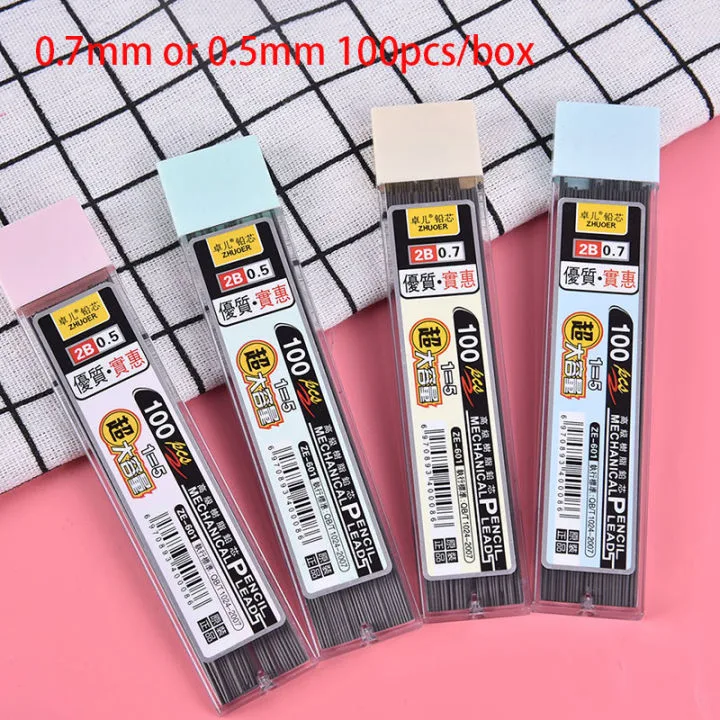
Quick Answer
How do you put lead in a mechanical pencil? Pull off the top eraser cap. Drop new graphite down the inner tube.
Replace the cap firmly. Click the top button until graphite advances. Never push lead through the tip.
Why Loading a Mechanical Pencil Goes Wrong (And How the Internal Mechanism Works)
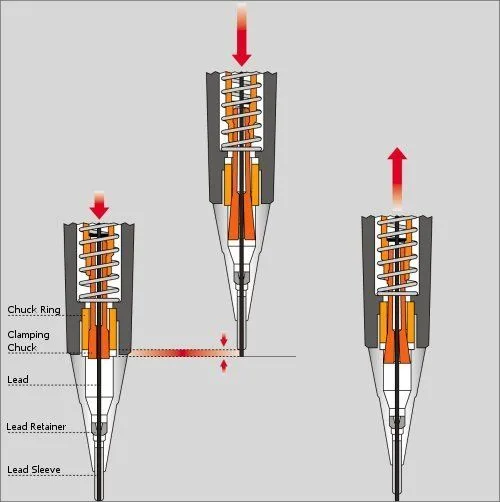
Mechanical pencils rely on a tiny internal clutch to grip and advance graphite sticks. When you click the top button, these metal jaws open and close to push the core forward by tiny increments.
If you try to jam new graphite through the pointy tip, you force it backward against closed clutch jaws. This creates an internal jam that usually requires disassembling the entire barrel to clear.
Understanding this layout helps you avoid common jams. Pencils from top brands like Pentel use precise internal tolerances, meaning any misaligned graphite causes immediate blockages. Always respect the one-way nature of the internal clutch.
Anatomy of a Mechanical Pencil: What's Inside the Barrel
Taking a quick look at the internal components helps clarify why top-loading is the only safe method. Most everyday writing tools share a very similar structural layout under the outer shell.
- Eraser Cap: The small metal or plastic cover protecting the eraser and keeping the internal chamber sealed.
- Lead Chamber: The hollow plastic or metal tube running down the center that stores your spare graphite sticks.
- Clutch Mechanism: The tiny set of metal jaws near the tip that grips the graphite and moves it forward.
- Lead Sleeve: The fixed metal pipe at the bottom supporting the graphite so it doesn't snap while you press against the paper.
Knowing these parts makes maintenance much easier. If you are looking to upgrade your gear for specific tasks like sketching fine lines, you might want to browse a detailed guide on top-rated drafting pencils to see how different mechanisms handle fine graphite.
Step-by-Step Guide to Reloading Your Mechanical Pencil Safely
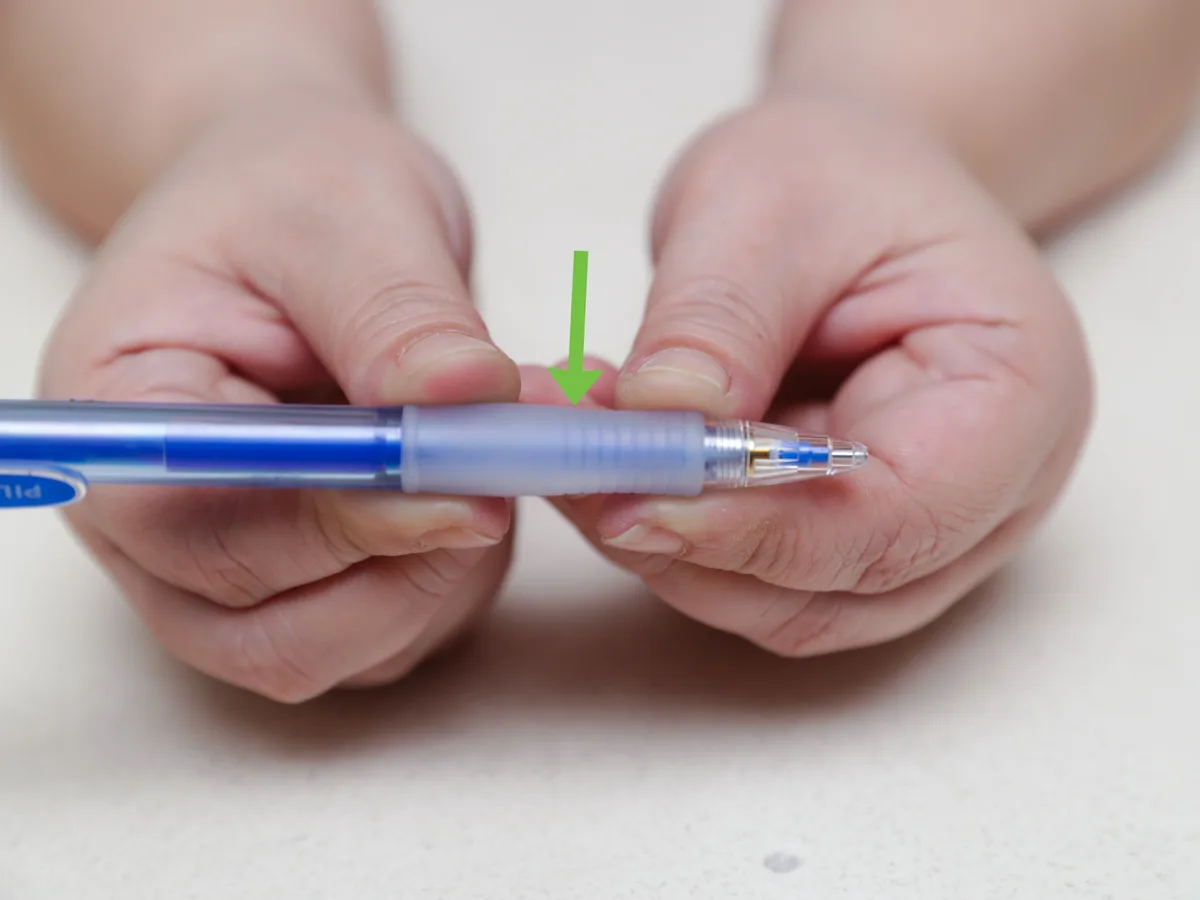
Refilling your writing tool takes less than a minute if you follow a clean workflow. Keep your replacement sticks nearby and work over a flat surface so you don't drop extra graphite.
| Step | Action | What to Watch For |
|---|---|---|
| 1. Remove the cap | Pull off the small metal or plastic cap at the very top. | Set the cap down where it won't roll away and get lost. |
| 2. Check the chamber | Look down into the open tube for old lead stubs. | Tap out any broken bits before adding new material. |
| 3. Drop in the lead | Insert 1 to 3 new graphite sticks into the opening. | Do not overfill the chamber to prevent clumping. |
| 4. Put it back together | Replace the eraser and push the metal cap back on. | Ensure it fits snugly so graphite cannot bounce out. |
| 5. Prime the pencil | Click the top button repeatedly until the tip appears. | The first few clicks will feel empty as the graphite travels down. |
If you write for long study sessions or complex exams, students often benefit from reliable gear, which you can read about in this overview of reliable student writing tools.
Sizing and Compatibility: Matching Lead Diameters to Your Pencil Barrel
Graphite comes in very specific widths, and your pencil barrel is engineered to match only one of them precisely. Trying to force the wrong size into your chamber guarantees failure.
A 0.5mm barrel will completely swallow oversized 0.7mm graphite right up until it gets hopelessly wedged in the clutch. Conversely, putting 0.5mm graphite into a 0.7mm barrel will cause the core to slip right through without gripping.
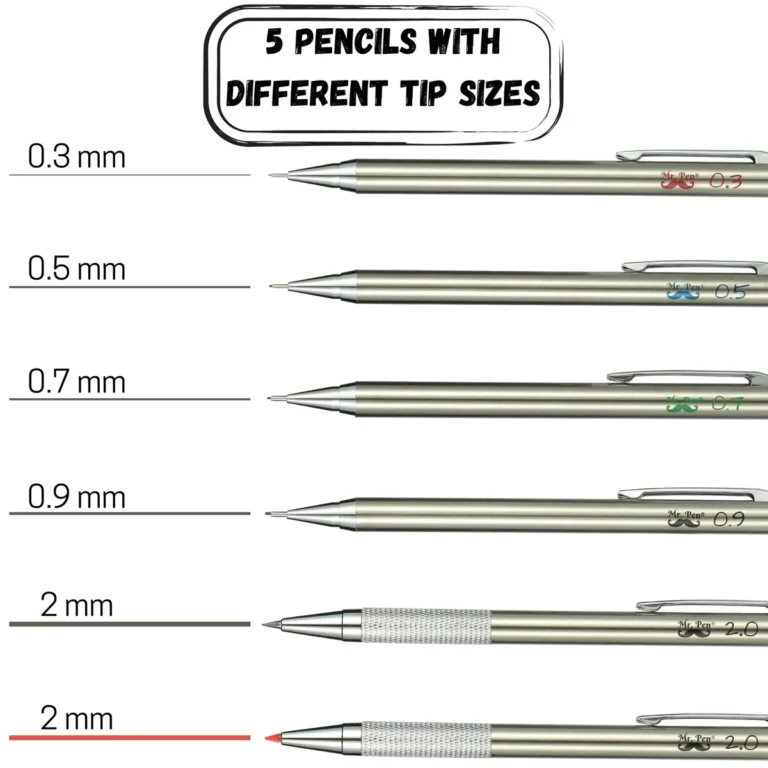
Check the imprint printed on the side of your pencil barrel or pocket clip before opening a new tube of refills. Standard household and office models typically use 0.5mm or 0.7mm, while heavy carpentry pencils or artist tools go up to 0.9mm or 2.0mm.
Cost, Capacity, and Performance Specs: How Much Lead to Load
Managing how many graphite sticks you put into the barrel prevents internal jams. Packing a dozen sticks into a tiny chamber causes them to bind together.
Most standard chambers hold up to five or six sticks of graphite safely, but loading only two or three at a time is much smarter. Fewer sticks mean less chance of snapping inside the barrel if you drop your pencil on the floor.
When buying refills, look for high-polymer graphite formulas that resist snapping under heavy writing pressure. For a complete look at modern writing options, check out this guide on the best modern mechanical pencils to compare refill capacities and barrel builds.
Common Mistakes to Avoid: Why Your Pencil Jams or Breaks Lead
Even with careful loading, mistakes happen that stall your writing workflow. Knowing what to watch for saves you from tossing a functioning pen into the trash.
- Forcing lead into the tip: This shatters graphite against the closed metal clutch. Always remove the eraser cap and drop sticks from the top.
- Mixing up lead diameters: Dropping thin 0.3mm graphite into a 0.7mm barrel creates a loose fit that falls right through. Match your refills to the exact barrel spec.
- Overfilling the chamber: Stacking ten sticks into a tiny tube causes internal binding. Stick to two or three pieces at a time.
- Clicking out too much length: Advancing more than two millimeters makes the fragile core snap under normal hand pressure. Keep your active lead short.
If your pencil suddenly stops feeding, a broken stub is likely trapped inside the metal jaws. Unscrew the front grip section carefully and clear out any tiny graphite fragments with a sewing needle.
FAQs About Loading and Troubleshooting Mechanical Pencils
Can you put lead in the front of a mechanical pencil?
No, you should never push replacement graphite into the tip. Doing so forces the material against the internal clutch jaws and causes a permanent jam. Always take off the top eraser cap and load your graphite into the upper chamber.
Why does my mechanical pencil keep eating the lead?
If your graphite slips back into the barrel or refuses to hold steady, you are likely using the wrong size. A barrel designed for 0.7mm sticks cannot grip thinner 0.5mm refills. Check the millimeter rating printed on your barrel and buy matching refills.
How many pieces of lead should you put in at once?
Drop no more than two or three graphite sticks into the inner chamber at a time. Loading a dozen sticks creates excessive friction and makes the internal tubes jam up if the pencil takes a fall.
What should I do if my mechanical pencil is completely jammed?
Unscrew the front metal grip section to expose the internal brass clutch. Tap the metal housing gently to shake out any broken graphite bits. Use a fine cleaning pin if your pencil came with one under the eraser cap.