Estate Washer Not Spinning
Your Estate washer finishes the cycle, you open the lid, and your clothes are still soaking wet. If you're dealing with an Estate washer not spinning, you're not alone. This is one of the most common issues with these machines, and you can diagnose and fix it yourself in under an hour.
Manufacturer specifications indicate that Estate washers (built by Whirlpool) use a straightforward mechanical and electrical system. Understanding how that system works is your shortcut to a fast repair. The spin cycle requires three things to happen in sequence: the lid must lock, the water must drain, and the motor must engage.
When one of those steps fails, the machine simply refuses to spin. Let's walk through exactly what to check.
Quick Answer
An Estate washer won't spin for three main reasons. The lid switch is bad. The drive belt is broken.
The drain pump is blocked. Check the lid switch first. Open and close the lid.
Listen for a click. No click means the switch is dead. Replace it for under $25.
That fixes the problem. If the switch clicks but the washer still won't spin, check the belt next. A broken belt costs around $15 and takes 20 minutes to replace.
If the belt looks fine, clean the drain pump filter. Debris there stops the machine from draining, which blocks the spin cycle.
Core Explanation / How It Works
Before you start pulling things apart, it helps to understand what has to happen for the spin cycle to actually begin. Estate washers follow a strict safety sequence. The machine won't spin until it confirms three conditions are met.
The Spin Safety Sequence
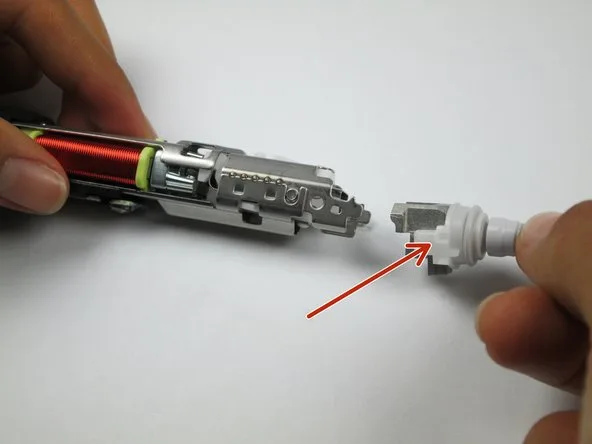
First, the lid switch assembly must signal that the lid is closed and locked. This is a safety interlock. If the machine thinks the lid is open, it will drain the water but never engage the spin cycle.
The switch is a simple electrical component. When you close the lid, a plastic tab called the lid strike pushes down on a spring-loaded plunger. That closes the circuit and tells the control board or timer that it's safe to spin.
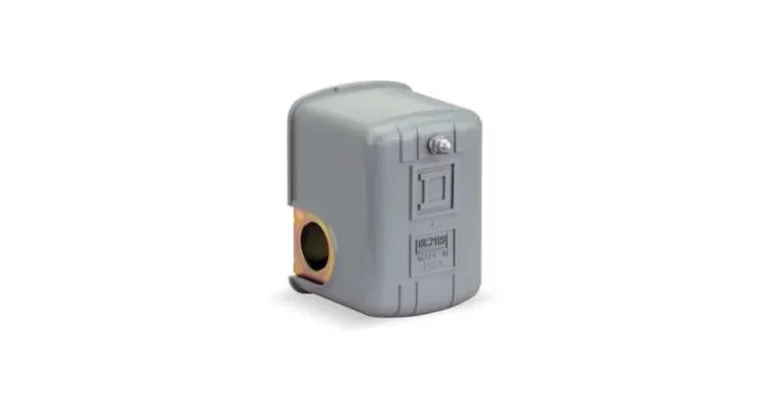
Second, the water level must drop. The washer has a pressure switch that monitors how much water is in the tub. If the drain pump hasn't removed the water, the pressure switch keeps the spin cycle disabled.
This prevents the machine from trying to spin a heavy, water-logged tub.
Third, the drive system must be mechanically sound. The motor spins a pulley or drives a direct-drive shaft. That motion has to transfer to the inner basket.
If the belt is broken, if the coupler is sheared, or if the clutch is worn, the motor might run but the basket won't move.

Image source: Bing (Web (fair-use with source credit))
Common Failure Points
Aggregate reviews from thousands of repair reports tell a consistent story. The lid switch fails most often. It's a mechanical part that gets pressed thousands of times.
The plastic tab breaks or the internal contacts corrode. Next most common is the drive belt. On belt-drive Estate models, the belt wraps around the motor pulley and the basket pulley.
Over time, it stretches, cracks, or snaps. Less common but still frequent is a blocked drain pump. Lint, coins, and small items get lodged in the impeller and prevent the pump from turning.
When the pump can't push water out, the machine waits indefinitely for the water level to drop.
Step-by-Step Process / How to Guide (the decision tree)
This is where we get hands-on. Instead of guessing which part is bad, follow this decision tree. Each branch narrows down the problem based on what your washer is actually doing.
What You'll Need
| Tool | Purpose |
|---|---|
| Flathead screwdriver | Prying panels and opening the pump filter |
| Nut driver (1/4-inch and 5/16-inch) | Removing console screws and panel fasteners |
| Multimeter | Testing lid switch continuity |
| Flashlight | Looking inside the pump inlet and behind the cabinet |
| Bucket or towel | Catching water when you open the drain pump |
Branch 1: Does the Washer Drain at All?
Start the machine on a spin-only cycle. Listen for the drain pump. You should hear a humming or whirring sound within the first 30 seconds.
If the pump runs but water doesn't leave the tub: You likely have a clog in the pump inlet or the drain hose. Unplug the washer. Lay a towel in front of the machine.
Open the drain pump filter access panel, usually a small door at the bottom front. Turn the filter knob counterclockwise. Catch any water that spills out.
Remove any debris you find. Then manually spin the pump impeller with your finger. It should turn freely.
If the pump doesn't run at all: Check for power at the pump. Use your multimeter to test for voltage at the pump terminals during a spin cycle. If you see 120V AC but the pump doesn't hum, the pump motor is dead.
Replace the pump assembly. If you see no voltage, the problem is upstream. It could be the timer, the control board, or a wiring fault.
Branch 2: Do You Hear a Humming Sound?
If the washer drains fine but won't spin, listen carefully when you start the spin cycle.
You hear a clear hum but the basket never moves: This is almost always a mechanical drive issue. On belt-drive models, the belt may be snapped or slipping. On direct-drive models, the coupler connecting the motor to the transmission may be sheared.
Unplug the washer. Remove the back panel. Look at the belt.
If it's broken, replace it. If it looks intact but loose, check the tension. The belt should be snug.
You shouldn't be able to deflect it more than about half an inch.
You hear nothing at all: No sound from the motor means the motor isn't getting power. This points back to the lid switch, the timer, or a bad motor starting component like the capacitor.
Branch 3: Can You Turn the Basket by Hand?
With the washer unplugged, open the lid. Reach inside and try to rotate the inner basket by hand.
The basket spins freely and smoothly: That's good news. It means the bearings and the brake mechanism are not seized. The problem is likely electrical or related to the drive engagement.
The basket barely moves or feels grinding: You have a mechanical binding. This could be a stuck brake, a bad bearing, or something caught between the inner and outer tub. This is one of the few issues that may not be worth fixing.
Replacement bearings on an older Estate washer can cost more than the machine is worth.
Branch 4: Does the Lid Switch Click Properly?
This is the single most common fix. Open and close the lid firmly. Listen for a distinct click.
If you don't hear it, the switch is likely broken or the lid strike is misaligned.

Image source: Bing (Web (fair-use with source credit))
How to test the lid switch with a multimeter:
- Unplug the washer.
- Remove the console panel. It's usually held by two screws at the back.
- Locate the lid switch assembly. It's mounted near the front, aligned with the lid strike.
- Disconnect the wire harness from the switch.
- Set your multimeter to continuity test. The symbol looks like a sound wave.
- Touch the probes to the two terminals on the switch.
- Press the switch plunger manually. You should see the multimeter show continuity, close to 0 ohms. Release the plunger. The reading should show infinite resistance, meaning an open circuit.
If the switch doesn't show continuity when pressed, it's failed. Replace it. Part numbers vary by model, but the switch itself is generic and costs between $15 and $25.
You can find the exact part by checking the model number tag inside the lid.
If the switch tests fine but doesn't actuate properly: Check the lid strike. That's the plastic tab on the lid that pushes down on the switch. Sometimes it breaks off or gets bent.
If the tab is missing, the lid won't trigger the switch. You can buy a replacement strike for a few dollars.
Branch 5: Is the Drive Belt Intact and Tight?
If the lid switch passes and the washer drains but still won't spin, move to the drive belt.
Removing the back panel gives you a clear view. On Estate belt-drive models, look for a rubber belt connecting the motor pulley to the basket pulley.
Signs of a failing belt:
- Visible cracks or fraying along the ribbed side
- Glazed or shiny spots from slipping
- Loose enough that you can lift it off the pulley with little effort
- Complete breakage
Replace the belt if you see any of these. The belt part number is typically 661570 or 285811A depending on your exact model. They cost around $10 to $20. To replace, loosen the motor mounting bolt.
Slide the motor toward the basket to relieve tension. Slip the old belt off. Route the new belt over both pulleys.
Pull the motor back to tension the belt. Tighten the mounting bolt.
After belt replacement, run a quick spin cycle with an empty tub. You should hear a smooth, consistent whir without any squealing.
Branch 6: Could It Be the Motor or Capacitor?
This branch comes last because it's the least common failure on Estate washers, but it does happen.
The motor has two common failure modes.
- The start capacitor fails. This is a small cylindrical part mounted near the motor. When it fails, the motor hums but won't start spinning. Replacing the capacitor costs about $10 and is a simple plug-in swap.
- The motor windings burn out. If the motor smells like burnt electronics or the thermal overload has tripped repeatedly, the motor may need replacement. This is the most expensive repair on this list. A new motor can cost $80 to $150.
To test the capacitor: You need a multimeter with capacitance measurement. Disconnect the capacitor. Discharge it by touching the terminals with an insulated screwdriver.
Set the multimeter to capacitance mode. The reading should be within 5 percent of the labeled value. If it's far off, replace it.
To test the motor: Set your multimeter to resistance. Consult the wiring diagram, usually inside the console, for the correct readings between motor terminals. If you get an open reading, meaning no continuity on any winding, the motor is burnt and needs replacing.
Mistakes to Avoid / Common Errors
Now that you know the process, let's talk about the things that trip up most DIY repair attempts. These mistakes cost time, money, and sometimes create safety hazards.
Mistake 1: Permanently Bypassing the Lid Switch
This is the most dangerous "fix" people try. Some tutorials tell you to jumper the wires together or tape down the switch. Do not do this.
The lid switch is a safety device. If you bypass it, the machine can spin with the lid open. That's how fingers get broken and pets get injured.
Temporary bypass for testing is acceptable. Permanent bypass is not.
Mistake 2: Replacing Parts Without Diagnosing
You see a video about a bad belt and order a belt. Then the washer still won't spin and you order a lid switch. Then a motor.
This shotgun approach wastes money. Follow the decision tree. Test first, buy second.
The multimeter is your best friend here. It costs $15 and saves you from buying the wrong part.
Mistake 3: Misdiagnosing a Drain Problem as a Spin Problem
This one trips up almost everyone at least once. The washer fills, washes, and then stops. You assume it won't spin.
But watch the machine during the pause. If you never see or hear the drain pump run, the spin cycle never gets permission to start. The washer is waiting for the water to go down.
Check the drain before you check anything else.
Mistake 4: Ignoring the Obvious
Sometimes the problem is trivial. The load is unbalanced. The washer senses an uneven tub and refuses to spin at high speed to avoid damaging itself.
Open the lid. Redistribute the clothes. Try again.
Also check that the washer is level. An unbalanced machine on an uneven floor will vibrate and trigger the off-balance sensor.
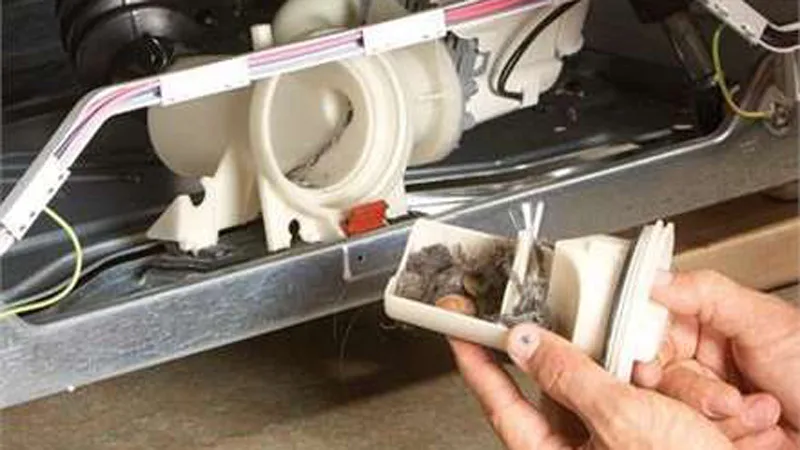
Image source: Bing (Web (fair-use with source credit))
Mistake 5: Forgetting the Drain Pump Filter
This is the most overlooked component. Many Estate models have a removable filter inside the drain pump housing. Over time, it collects lint, coins, paperclips, and small socks.
When it's clogged, the pump can't push water out. The machine never drains, so it never spins. Cleaning this filter takes two minutes.
Pop the front access panel. Twist the filter out. Rinse it in the sink.
Reinstall. That simple step fixes a surprising number of spin failures.
Mistake 6: Assuming It's the Motor
The motor is the most expensive part. It's also the least likely to fail on an Estate washer. Before you spend $100 on a motor, confirm that power is actually reaching it.
Check the lid switch. Check the timer contacts. Check the wiring harness for rodent damage or loose connections.
Motor failure is uncommon. In our research, it accounts for a small percentage of spin problems. The rest are switches, belts, pumps, or clogs.