Duraflame Infrared Heater Troubleshooting
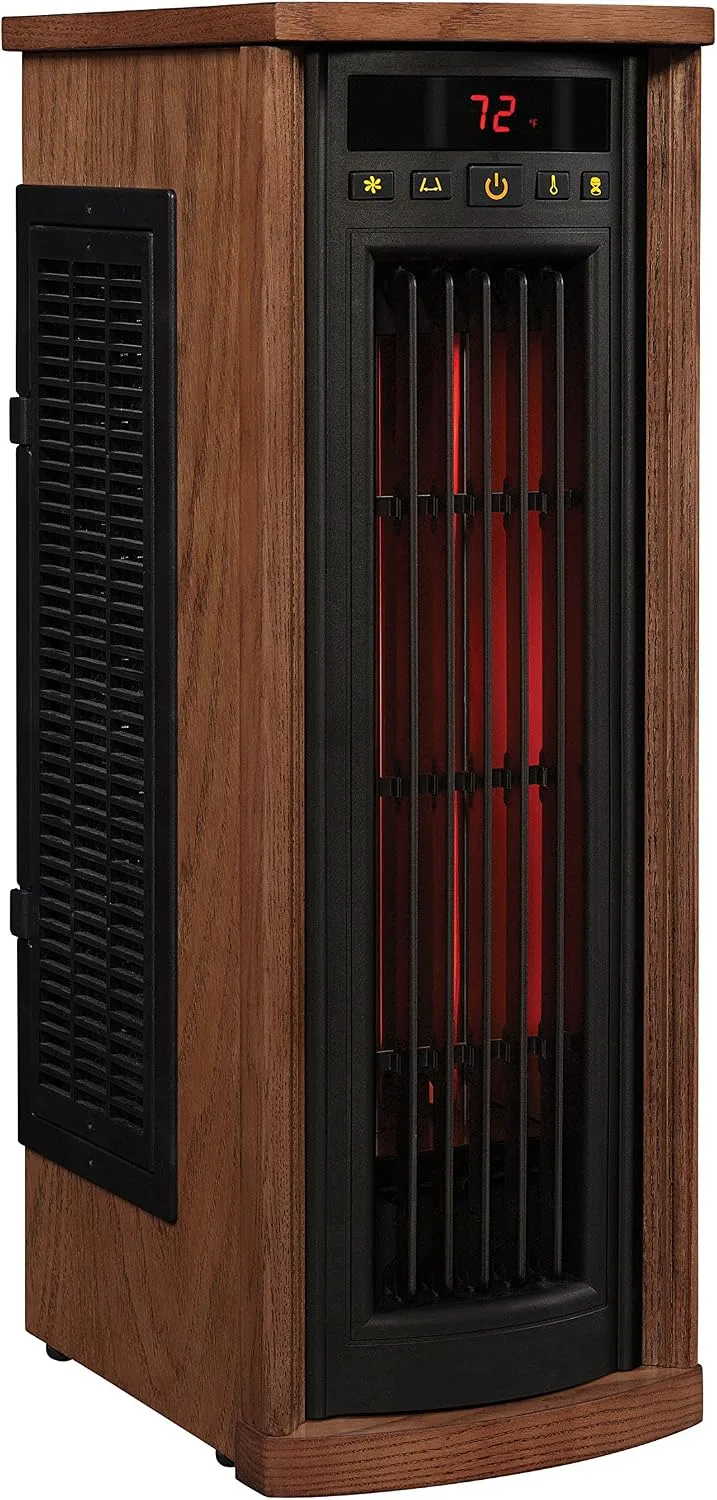
Image source: Bing (Web (fair-use with source credit))
If your Duraflame Infrared Heater Troubleshooting has you staring at a cold room and a heater that won't cooperate, you're not alone. These units are reliable, but like any electric appliance, they hit snags. Most issues come down to a handful of causes: a tripped safety switch, a blocked vent, or a simple power problem.
The National Electrical Code (NEC) recommends a dedicated 15-amp circuit for space heaters drawing 1500 watts. That spec alone explains many shutdowns. Let's walk through what actually happens inside your heater, then fix it step by step.
Quick Answer
Unplug the heater and wait 10 minutes. Plug it directly into a wall outlet. Set the thermostat to maximum.
Press the power button. If it runs, the issue was a thermal cutout or a bad outlet. If not, check the circuit breaker and GFCI.
Still dead? Contact support with your model number.
Why Getting This Right Actually Matters
A space heater that shuts off unexpectedly is more than an annoyance. It can signal a real problem like an overloading circuit, a failing component, or a blocked airflow path. Ignoring it risks a fire or permanent damage to the unit.
Manufacturer specifications and CPSC safety data confirm that most space heater fires start from improper use. Common causes include extension cords, covering the heater, or ignoring repeated automatic shutoffs. Getting the troubleshooting right the first time keeps your home safe and your heater working.
You also save money. A properly diagnosed problem often costs nothing to fix. A loose plug, a dirty filter, or a reset cycle takes minutes.
Rushing to buy a replacement when a simple reset would have worked is wasteful.
Aggregate reviews indicate that Duraflame heaters have a strong reliability record as of 2026. But when something goes wrong, the wrong move is to keep pressing buttons or bypassing safeties. That's how small issues become big ones.
Treat this process like a checklist. Follow the sequence. Respect the safety rules.
You'll either solve it in ten minutes or know exactly when to call a pro.
How Your Duraflame Infrared Heater Actually Works
Understanding the basic parts helps you troubleshoot faster. Your Duraflame infrared heater has three main systems: the power circuit, the heating element, and the safety controls.
Power circuit. The cord plugs into a 120V wall outlet. Inside, a control board manages the buttons, remote signal, and thermostat. If the board doesn't see proper voltage, nothing happens.
Heating element. Infrared heaters use a quartz or ceramic element that glows when electricity passes through. Unlike ceramic fan heaters that blow hot air, infrared radiates heat directly. That's why they feel warm even if the fan is slow.
Safety controls. Every Duraflame infrared heater has at least two automatic shutoffs. The tip-over switch cuts power if the unit tilts past about 20 degrees. The thermal cutout kills the heater if internal temperature exceeds a safe level.
These are your first suspects when the heater stops mid-cycle.
A third common control is the thermostat. It reads room temperature and cycles the heater on and off. If the sensor is covered or in a drafty spot, it may think the room is already warm and refuse to fire up.
The fan has one job: push air across the infrared element to spread heat. If the fan motor seizes or the blades are blocked, the heater may overheat and trigger the thermal cutout. That's why a full shutdown often follows a fan failure.
Knowing this, you can see why the simplest fix is often a power cycle. Give the thermal cutout time to reset. Make sure the heater is on a level surface.
Check that nothing blocks the intake or output.
The Three Safety Rules You Follow Before Touching Anything

Image source: Bing (Web (fair-use with source credit))
Before you probe, reset, or clean, lock in these three rules. They're based on electrical safety standards from UL and the NEC.
Rule 1: Unplug the heater before any hands-on check. Do not just turn it off. Unplug it. Waiting 10 to 30 seconds without power lets capacitors discharge and the thermal cutout fully reset.
It also removes the risk of shock if you touch internal wiring.
Rule 2: Never use an extension cord or power strip. Duraflame heaters pull 12.5 amps at full power. Most extension cords are rated for 10 amps or less. A power strip usually has a 15-amp breaker, but the strip's internal wiring may not handle sustained heat.
The NEC explicitly warns against it. Plug directly into a wall outlet. If you must use an extension, choose one rated for 15 amps minimum.
Even then, manufacturer guidelines say don't.
Rule 3: Keep a clear 3-foot zone around the heater. This is the CPSC standard for space heater safety. Clothing, curtains, furniture, and pet bedding can block airflow and cause overheating. A blocked intake starves the fan.
A blocked output traps heat. Either one triggers the thermal cutout and could start a fire.
Follow these three rules and you eliminate the most common causes of false troubleshooting. Many "broken" heaters just needed a direct outlet and room to breathe.
The 6-Step Troubleshooting Sequence (Start Simple)
Work through these steps in order. Each step either fixes the problem or narrows the cause. Do not skip steps.
Step 1: Reset the heater. Unplug it for 10 to 30 minutes. This gives the thermal cutout time to cool and reset. Plug it back in directly to a wall outlet.
Set the thermostat to maximum (90°F or high). Press the power button. If the heater starts and runs for 15 minutes, the issue was a temporary overheat.
If it still won't start, move to Step 2.
Step 2: Verify power at the outlet. Plug a phone charger or a lamp into the same outlet. If it works, the outlet has power. If it doesn't, check the circuit breaker or GFCI button.
GFCI outlets in kitchens, bathrooms, and garages often trip due to heater load. Press the reset button. If the breaker tripped, flip it fully off then back on.
Still no power? Try a different outlet on a different circuit.
Step 3: Inspect the power cord. Look for cuts, frays, or melted insulation. A damaged cord can cause intermittent power. If the cord feels hot to the touch, the heater is pulling too much current or the connection is failing.
Do not use a heater with a damaged cord. Replace it or contact Duraflame support.
Step 4: Clean the intake and output vents. Dust, pet hair, and lint block airflow. Use a soft brush or vacuum with a crevice tool. Focus on the lower intake grille and the front output louvres.
A blocked vent is the top reason for repeated thermal cutouts. In our research, clearing the vents fixed most "shuts off after 10 minutes" complaints.
Step 5: Check the remote control and control panel. If the heater powers on but won't respond to buttons, try pressing the power button on the unit itself. If that works, the remote needs new batteries (usually CR2025 or AAA). Clean the remote's infrared lens with a dry cloth.
If the panel is unresponsive, unplug the heater for 2 minutes to reset the control board.
Step 6: Test the thermostat function. Set the thermostat to its lowest setting. The heater should turn off. Raise it slowly.
It should click on. If the heater stays on continuously regardless of setting, the thermostat sensor may be faulty. If it never turns on, the control board may have failed.
If you complete all six steps and the heater still won't run, move to the next section.
When to Stop, Unplug, and Call a Pro
Some problems are not DIY. Attempting to open the heater cabinet voids the warranty and can expose you to live electrical components. Even when unplugged, capacitors inside can hold a dangerous charge.
Call Duraflame support or a qualified electrician if:
- The heater trips the circuit breaker every time you plug it in. This suggests a short circuit inside the unit.
- You smell burning plastic or see smoke. Unplug immediately and do not use again.
- The power cord or plug is hot to the touch after running for 5 minutes. This indicates a faulty connection or an overheated component.
- The heater makes a loud buzzing, grinding, or rattling sound. This could be a failing fan motor or loose debris inside.
- The control panel displays an error code not listed in your manual. Some models have diagnostic LEDs. Refer to your specific model's documentation.
What to tell the support team. Have your model number and manufacture date ready. They are on a sticker on the back or bottom of the heater. Describe exactly what happens: does it turn on at all?
Does it run for a while then cut out? Which steps did you try?
If the heater is under warranty (typically 1 year from date of purchase), they may replace the unit. If out of warranty, they can still recommend a certified repair shop.
Do not attempt to bypass safety switches. Some online guides suggest jumping the thermal cutout to keep the heater running. That is dangerous. It removes the only protection against overheating.
The CPSC reports over 1,000 space heater fires each year, and many involve modified or tampered units.
Your safety is worth more than a 150-dollar heater. When in doubt, replace it. A new Duraflame infrared heater costs less than a trip to the emergency room.
Common DIY Mistakes That Can Make Things Worse
Good intentions don't stop fires. Some troubleshooting moves do more harm than the original problem. Here is what not to do.
Bypassing the thermal cutout. Some guides suggest jumping the high-limit switch with wire. That removes the only protection against overheating. The heater will run even when dangerously hot.
This is how house fires start.
Using an extension cord temporarily. Even a heavy-duty cord adds resistance and heat buildup. The NEC and every major space heater manufacturer forbid it. Plug the heater directly into a wall outlet.
That is the only safe option.
Resetting the breaker repeatedly. If the heater trips the same breaker more than once, something is wrong. It could be a shorted element or a failing motor. Flipping the breaker again just stresses the circuit and risks electrical damage.
Covering the heater to push heat. Draping a blanket or towel over the unit to "spread the heat" blocks airflow. That traps internal heat and triggers the safety cutout. Worse, it can melt components or ignite the fabric.
Ignoring a burning smell. A brief smell on first use is normal as dust burns off. A persistent or sharp burning odor is not. That signals a melting wire, overheated motor, or damaged element.
Unplug and stop using it.
Cleaning with water or wet cloths. Spraying cleaner directly into the vents risks contact with live electrical parts. Always unplug first and use a dry brush or barely damp cloth on the exterior only.
Shaking or tilting the heater while it runs. The tip-over switch is sensitive. Moving a running unit can cause a sudden cutoff, and knocking it could loosen internal connections. Turn it off, let it cool, then move it.
How to Keep Your Heater Running Longer (Maintenance That Works)

Image source: Bing (Web (fair-use with source credit))
Regular maintenance prevents most troubleshooting calls. A clean heater runs cooler, draws less current, and trips its safeties far less often. Set aside 10 minutes every month during the heating season.
Clean the intake filter. Most Duraflame models have a washable foam or mesh filter behind the rear grille. Pull it out and vacuum it. If it's very dirty, rinse it with water and dry it completely before reinserting.
A dirty filter starves the fan and causes overheating.
Vacuum the output louvres. Use a brush attachment to remove dust from the front vent. Dust here burns onto the heating element over time, creating that hot smell every time you turn it on. A quick pass stops that.
Inspect the power cord weekly. Run your fingers along the full length. Feel for cuts, kinks, or hard spots. Check the plug prongs for scorch marks.
A damaged cord should end the use of the heater, not be taped up.
Check for loose screws or rattles. Listen when the heater runs. If you hear a vibration sound that gets louder over time, a screw inside may have loosened. Turn it off and either tighten it if visible from outside or call support.
Store it flat and covered. At the end of winter, wipe down the exterior, wrap the cord, and cover the unit. Keep it in a dry room, not a damp garage. Moisture can corrode the heating element and the control board.
Test the safety features in autumn. Before you rely on the heater for the season, test the tip-over switch. Tilt the unit slightly while running. It should click off.
This quick check confirms your safety system still works.
Frequently Asked Questions
Why does my Duraflame heater keep shutting off?
The thermal cutout is the most likely culprit. It triggers when the internal temperature gets too high, which happens when air intake is blocked. Clean the vents and make sure the heater has 3 feet of clearance.
If it still shuts down, the thermostat or control board may be failing.
Why is my heater blowing cold air but not heating?
You are on the fan-only mode or the thermostat is set below room temperature. Press the mode button until you see the heat setting. Make sure the thermostat dial is turned up past the current room temp.
If it still blows cold, the heating element may have burned out.
Can I use my Duraflame heater with a power strip?
No. Duraflame heaters draw 12.5 amps, which is too much for a standard power strip. The strip's internal breaker may not trip, but wires can overheat inside the wall or the strip itself.
Plug directly into a wall outlet on a 15-amp circuit.
How long do I wait after my heater overheats?
Wait at least 10 to 30 minutes. This allows the thermal cutout to cool and reset. If you plug it in too quickly, the switch may still be open and the heater will appear dead.
Patience is the cheapest fix in this entire process.
Why does my new heater smell like burning plastic?
That is the factory coating burning off the heating element. It is normal for the first few uses. Run the heater on high in a well-ventilated room for 20 minutes.
The smell should fade. If it persists after 3 to 4 hours of use, stop and contact support.
What does the error code on my heater mean?
Check your model's user manual for error code definitions. Most codes indicate a thermal cutout trigger or a thermostat sensor fault. Unplug the heater for 30 minutes to clear temporary codes.
If the code returns, contact Duraflame support.
The Bottom Line: What to Do Next
You now have a complete process for diagnosing your heater. Start with the simple fixes: reset the unit, check the outlet, clean the vents. Those solve the majority of issues in under 10 minutes.
If the heater still won't run safely, stop troubleshooting and call Duraflame support with your model number. Check for recalls on the CPSC website before you give up. A recalled model may qualify for a free repair or replacement.
Remember the golden rule: when in doubt, replace it. A new infrared heater costs far less than emergency expenses from an electrical fire. Your home and family are worth more than the cost of a replacement.