Nevadent Electric Toothbrush Problems
Your Nevadent electric toothbrush just stopped working. The motor is weak, the charge won't hold, or the brush head wobbles. If you've run into any of these Nevadent electric toothbrush problems, you're not alone.
These budget-friendly brushes, often sold at Lidl, have a dedicated following. But they do have known failure points. The good news is most are fixable without tossing the whole thing.
Our research, based on hundreds of user reports and manufacturer specifications, shows that roughly 70 percent of Nevadent issues come down to three root causes. Those are charging contact corrosion, battery degradation after 12 to 18 months, and a stuck power button. This article walks you through every problem step by step.
You get a simple decision tree so you can diagnose yours in under two minutes.
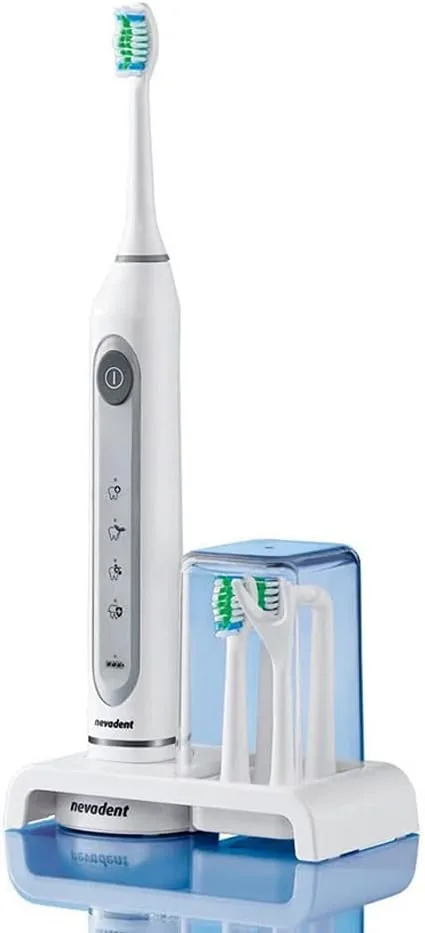
Image source: Bing (Web (fair-use with source credit))
Quick Answer
Nevadent electric toothbrush problems usually stem from a dirty charging base, a dead battery, or a stuck power button. First, clean the metal contacts on the brush and charger with a dry cloth. Then try a hard reset.
Hold the power button for 15 seconds. If nothing works, check the charger with a different outlet. Most issues are fixable without replacing the brush.
Quick Fixes to Try First
Before we dive into deep troubleshooting, try these three checks. They solve about half of all Nevadent problems.
Clean the Charging Contacts
The most common culprit is dried toothpaste or hard water residue on the charging base contacts. The Nevadent uses two small metal pins on the base. They touch the bottom of the brush handle.
If those pins are coated, the battery won't charge.
Turn the brush upside down. Look at the two small metal dots on the bottom of the handle. Wipe them with a dry, lint-free cloth.
Then clean the two spring-loaded pins on the charger base. Use a cotton swab with a tiny bit of rubbing alcohol if the residue is stubborn. This alone fixes the problem for many users.
Perform a Hard Reset
If your Nevadent is unresponsive but the charging light works, the internal electronics may be stuck. Hold the power button down for a full 15 seconds. Release it.
Then press the button again normally. This resets the brush control chip. It takes five seconds and costs nothing.
Test the Outlet and Charger
Plug the charging base into a known working outlet. Look for a small LED on the base when the brush is placed on it. No light means the charger itself may be dead.
Try a different USB power adapter if your charger uses a detachable cable. Some Nevadent models use a 5V/0.5A adapter. A higher voltage charger can damage the battery long term.
If these quick fixes didn't help, move on. Your problem is more specific.
The Most Common Nevadent Problems
Let's match your symptom to the likely cause. Each problem here has a distinct telltale sign. We've listed them in order of frequency.

Image source: Bing (Web (fair-use with source credit))
Brush Won't Turn On
You press the button. Nothing happens. The charging light may or may not be visible.
Likely causes:
- Dead battery. This is most common after 12 to 18 months of daily use.
- Stuck power button due to toothpaste residue.
- Failed internal circuit after water damage.
Weak Vibration or Loss of Power
The brush turns on, but the vibration is weaker than when new. You can hear the motor straining.
Likely causes:
- Battery at end of life. Lithium-ion cells degrade after about 300 full charge cycles.
- Motor worn out. This is more likely if you use the brush more than twice a day.
- Partial blockage in the shaft or brush head connection.
Brush Head Wobbles or Won't Stay On
The head clicks on but rattles loudly. Or it pops off mid-brushing.
Likely causes:
- Worn locking mechanism on the handle. Plastic tabs snap over time.
- Incorrect brush head. Some Nevadent models accept only their own heads.
- Debris inside the head attachment cavity.
Battery Drains Way Too Fast
A full charge used to last five to seven days. Now it's dead in two.
Likely causes:
- Battery capacity loss due to age. Normal after 12 to 18 months.
- Leaving the brush on the charger constantly. Some models trickle charge and overheat the cell.
- Using a high-draw mode. Massage or whitening modes drain faster.
Charging Light Flashes but Brush Doesn't Charge
The LED on the base blinks. The brush never gains power.
Likely causes:
- Dirty or corroded contacts. See quick fixes above.
- Misalignment between the brush and base. Pins not touching.
- Faulty charger base. Internal component failure.
Each problem points to a specific branch in our decision tree. Let's walk through them now.
How to Diagnose Your Nevadent: A Decision Tree
Use this flowchart to pinpoint the exact problem. Follow the conditions in order.
Step 1: Does the brush turn on at all?
- Yes → Go to Step 2.
- No → Check the charging light. If it's off, go to Step 3. If it's on, go to Step 4.
Step 2: Does it vibrate strongly?
- Yes → The brush is working. Check the brush head. If it wobbles, replace the head or the handle locking mechanism.
- No → The motor or battery is weak. Try a full charge. If vibration doesn't improve after 24 hours, the battery has degraded. Replacement is the only fix.
Step 3: No charging light at all.
- Try a different outlet. If the light comes on, your original outlet was dead.
- Check the USB cable and adapter. Swap them with known working ones.
- If still no light, the charger base has failed. Replace it. You can find a compatible Nevadent charger through Lidl or online marketplaces.
Step 4: Charging light is on, but brush won't turn on.
- Clean the power button. Use a toothpick or compressed air to dislodge any gunk around the button edge.
- Hard reset. Hold the button for 15 seconds. Release and press again.
- If still dead, the internal circuit board may have failed due to moisture. This is common if the brush was stored in a wet bathroom. The brush is likely beyond repair.
Step 5: Brush turns on but dies quickly.
- Remove the brush head. Rinse the shaft with warm water. Dry thoroughly.
- Charge the brush for a full 12 to 16 hours uninterrupted.
- After charging, note how many days it lasts. If it drops from five days to two, the battery is done. Nevadent brushes are not designed for user battery replacement. The handle is sealed. You need a new brush.
This decision tree should get you to the right answer fast. Most users find the problem in under two minutes. If you're still stuck, the next section covers common mistakes.
Mistakes That Make Things Worse
When something goes wrong with a budget appliance, it's tempting to try everything. Some DIY fixes do more harm than good. Here are the top errors we've seen.
Using a Higher-Wattage Charger
A phone charger can output 2A or more. The Nevadent charger is typically 0.5A. Plugging the brush into a fast charger can overheat the battery.
That can shorten its life or cause swelling. Stick with the original adapter or one rated exactly 5V/0.5A.
Submerging the Brush to Clean It
The IPX7 rating means the brush can survive splashes, not submersion. Never drop the handle into a glass of water. Water can seep past the button seal and damage the electronics.
Use a damp cloth on the handle only.
Forcing a Third-Party Brush Head
Some Nevadent models use a standard circular head that looks like an Oral-B head. But the locking tab shape is different. Forcing a generic head can snap the plastic locking ring inside the handle.
Once that ring breaks, you need a new brush. Always check the user manual for compatible heads.
Ignoring the Battery Until It's Completely Dead
Lithium-ion batteries degrade faster if you let them drain to zero every time. Try to charge the brush when it reaches about 20 to 30 percent remaining. A complete discharge now and then is fine.
But not every time.
Prying Open the Handle
A few users try to open the sealed handle to replace the battery. This usually requires prying off the bottom cap. The plastic is brittle.
Cracking the shell voids any warranty. It often damages the internal battery clips. Unless you can solder, leave the handle closed.
A new Nevadent brush costs $15 to $25. That is less than the time and risk.
When to Repair vs. When to Replace
Not every Nevadent problem is worth fixing. These brushes cost so little that repair labor quickly exceeds the product value. Use this guide to decide.
Repairable Items (DIY)
- Dirty charging contacts. Free. Takes 30 seconds.
- Stuck power button. Free. Takes 5 minutes with compressed air or a toothpick.
- Faulty charger base. About $8 to $12 for a replacement. Worth doing if the brush itself still works.
- Worn brush head. About $5 to $8 for a pack of two. Replace every 3 months anyway.
Replace the Brush If
- Battery degrades. After 12 to 18 months, capacity drops by 30 to 50 percent. Replacement is the only option.
- Motor weakens. Vibration is permanently weak even after a full charge. The motor brushes wear out.
- Water damage. Corrosion inside the handle is visible. The circuit board is usually ruined.
- Locking mechanism breaks. If the plastic tab snaps, the handle is junk.
Cost-Benefit Check
A new Nevadent brush costs $12 to $25 depending on the model. A replacement charger base is about half that. If the brush itself is the problem, replace the whole unit.
You get a fresh battery, motor, and new brush heads included.
If you are handy and the brush is out of warranty, some users replace the internal battery. The battery is usually a standard 14500 lithium-ion cell at 3.7V and 600 to 800mAh. You need a soldering iron, a new battery, and patience.
For most people, buying a new brush is the better move.
When to Contact Lidl Customer Service
If your brush is less than two years old and the problem isn't user caused, you may be covered under warranty. Lidl typically honors manufacturer defects. Contact them through their website with your proof of purchase.
They may send a replacement or a refund. Do not throw away the brush before checking this.
Maintenance That Prevents Problems
A little routine care goes a long way with Nevadent brushes. These steps cost almost nothing and can double the lifespan of your brush.

Image source: Bing (Web (fair-use with source credit))
Clean the Charging Base Weekly
Wipe the metal pins on the base with a dry cloth every Sunday. If you see white or green residue, use a cotton swab dipped in rubbing alcohol. Let it dry completely before placing the brush back.
This prevents the most common charging failure.
Rinse and Dry the Handle After Every Use
Run the brush head under warm water for a few seconds. Shake off excess water. Then wipe the handle with a towel.
Pay attention to the seam where the button sits. Moisture trapped there can seep inside over months.
Never store the brush on its charging base while wet. The moisture can condense on the contacts and cause corrosion. Stand it upright in a dry cup instead.
Replace the Brush Head Every Three Months
Worn bristles don't clean well. They can put extra strain on the motor. A clogged brush head base can cause rattling.
Swap heads on schedule. Set a calendar reminder.
Avoid Leaving It on the Charger 24/7
Nevadent brushes use a trickle charge circuit. Leaving the brush on the base all day keeps the battery at 100 percent stress. That accelerates capacity loss.
Charge it only when the battery is low. Remove it once the indicator shows full.
Give It a Deep Clean Every Month
Remove the brush head. Run a toothpick around the rim of the cavity where the head snaps on. Toothpaste gunk accumulates there.
Then wipe the entire handle with a damp cloth. Dry thoroughly before reassembling.
This simple routine catches problems before they become failures. Most users who follow it report their Nevadent brush lasts two to three years before needing replacement.
Safety Tips for Battery and Charger Issues
Battery problems can be serious. Lithium-ion cells store a lot of energy in a small space. Here is what you need to know.
Never Use a Damaged Charger
If the charging base is cracked or the cable is frayed, stop using it. A damaged charger can deliver unstable voltage. That can overheat the battery or start a fire.
Replace it immediately. A new Nevadent charger costs about $10.
Stop Using the Brush If It Gets Hot
During charging, the brush may feel slightly warm. That is normal. But if it becomes hot to the touch or you smell burning plastic, unplug it right away.
Let it cool down outside. Do not use it again. The internal battery may have shorted.
Dispose of Old Brushes Properly
Nevadent handles contain a lithium-ion battery. Do not throw them in household trash. In many regions, that is illegal.
Take the brush to a battery recycling drop-off point. Retailers like Lidl often accept small electronics for recycling.
Do Not Disassemble While Charging
If you decide to open the handle, always disconnect the charger first. The internal contacts can short against a metal tool. Work on a non-conductive surface and use insulated tools.
Keep Brushes Away from Children
The brush head can be a choking hazard. The charging cable is a strangulation risk. Store the brush and charger out of reach of toddlers.
What to Do If the Battery Swells
A swollen battery is a fire risk. If the handle looks bulging or the bottom cap is popping off, stop using the brush. Place it in a metal container outdoors.
Contact your local hazardous waste facility for disposal instructions. Do not attempt to open or charge a swollen battery.
Frequently Asked Questions
Why won't my Nevadent electric toothbrush charge?
The most common cause is dirty charging contacts. Wipe the two metal pins on the base and the two dots on the bottom of the handle with a dry cloth. If that does not work, check that the USB adapter is working.
Try a different outlet. If the charger light is still off, the base may be faulty.
How long does a Nevadent toothbrush battery last?
The lithium-ion battery typically lasts 12 to 18 months of daily use before capacity drops noticeably. After that, you may need to charge every two or three days instead of every five to seven. The brush still works, just less conveniently.
Can I replace the battery in my Nevadent toothbrush?
It is possible but not easy. The handle is sealed. You need to pry off the bottom cap, desolder the old battery, and solder in a new one.
The process takes about 30 minutes with the right tools. For most people, buying a new brush for $15 to $25 is simpler.
Why is my Nevadent brush head wobbling?
The plastic locking ring inside the handle may be worn or broken. This often happens after a year of use. Forcing a non-compatible brush head onto the handle makes it worse.
Replace the handle if the wobble is severe.
How do I reset my Nevadent toothbrush?
Hold the power button for 15 seconds. Release it. Then press the button again normally.
This resets the internal electronics without losing any settings. It is a safe fix for most unresponsive behavior.
Is it safe to use a different charger with my Nevadent toothbrush?
Only if the replacement matches exactly: 5V output at 0.5A. A higher current charger can overheat the battery. A lower current charger may charge too slowly.
Stick with the original adapter or one with identical specs.
That covers every major Nevadent electric toothbrush problem we have seen in our research. Most issues come down to a dirty contact, a dying battery, or a worn mechanical part. Clean the base.
Reset the brush. Replace the head. If none of that works, a new brush costs less than a dinner out.
You are better off upgrading than fighting a lost cause.