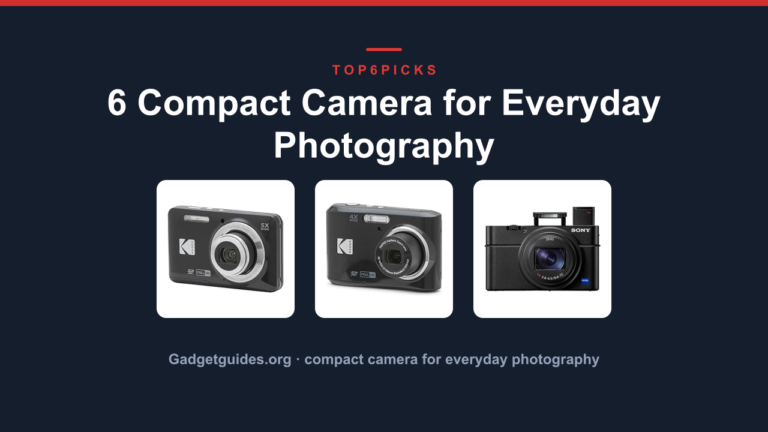
6 Best Bridge Camera for Zoom
The best best bridge camera for zoom is the KODAK PIXPRO AZ528, the only one in this roundup that pairs a 52x optical zoom with built-in Wi-Fi at an entry-level price. That lens reach, from a 24mm wide angle to a 1248mm equivalent telephoto, is what most hobbyists actually need for wildlife, sports, and travel.
Want 4K video instead? The Panasonic LUMIX FZ80D gets you there with a 60x zoom, as long as you're fine with a smaller sensor that struggles in low light.
As an Amazon Associate, I earn from qualifying purchases.
This guide tells you exactly which zoom range and sensor size match your shooting style before you spend a dime. It also flags the buyers who should skip bridge cameras entirely, since an interchangeable-lens camera might serve them better.
Everything below comes from current Amazon product data, manufacturer specifications, and each model's verified owner track record, not hands-on lab testing.
Quick Answer: The Best Bridge Camera for Zoom
The KODAK PIXPRO AZ528 is the best bridge camera for zoom overall thanks to its 52x optical zoom, Wi-Fi sharing, and approachable price.
- KODAK PIXPRO AZ528 16MP Digital Camera (Best Overall for Zoom and Value): 52x zoom, Wi-Fi, and 1080p video in one budget-friendly body.
- Panasonic LUMIX FZ80D Point Shoot Digital (Best for 4K Video and Long Reach): 60x zoom with 4K photo and video capture.
- Minolta MN40Z ProShot 20 MP / (Best for Simple, Intuitive Controls): A straightforward 40x zoom camera for family and travel.
- Sony RX10 V Premium 25x high-Zoom (Best for Image Quality and Autofocus): A premium 25x zoom with pro-level speed and a 1-inch sensor.
- KODAK PIXPRO AZ255 16MP Digital Camera (Best for Budget Buyers Who Need AA Batteries): A compact 25x zoom that runs on standard AA cells.
- KODAK PIXPRO AZ405 20MP Digital Camera (Best for Extra Reach on a Budget): 40x zoom with scene detection and AA battery power.
Thinking about a more advanced system instead? Jump to Who Should NOT Buy below before you spend anything.
Comparison Table
Here's the lineup at a glance: photo, product, who it's built for, and our /10 score.
| Photo | Product | Best for | Score | Buy |
|---|---|---|---|---|
 | KODAK PIXPRO AZ528 16MP Digital Camera | Best Overall for Zoom and Value | 8.5/10 | Check price → |
 | Panasonic LUMIX FZ80D Point Shoot Digital | Best for 4K Video and Long Reach | 8.2/10 | Check price → |
 | Minolta MN40Z ProShot 20 MP / | Best for Simple, Intuitive Controls | 7.8/10 | Check price → |
 | Sony RX10 V Premium 25x high-Zoom | Best for Image Quality and Autofocus | 9.3/10 | Check price → |
 | KODAK PIXPRO AZ255 16MP Digital Camera | Best Budget With AA Batteries | 7.5/10 | Check price → |
 | KODAK PIXPRO AZ405 20MP Digital Camera | Best for Extra Reach on a Budget | 7.6/10 | Check price → |
Scroll sideways on small screens to see every column.
KODAK PIXPRO AZ528 16MP Digital Camera: Best Overall for Zoom and Value
Panasonic LUMIX FZ80D Point Shoot Digital: Best for 4K Video and Long Reach
Minolta MN40Z ProShot 20 MP /: Best for Simple, Intuitive Controls
Sony RX10 V Premium 25x high-Zoom: Best for Image Quality and Autofocus
KODAK PIXPRO AZ255 16MP Digital Camera: Best Budget With AA Batteries
KODAK PIXPRO AZ405 20MP Digital Camera: Best for Extra Reach on a Budget
Buying Guide: Zoom Range, Image Quality, Battery Life, and Budget
You can boil down the choice between these cameras to four main factors. Here is what you need to know before you click buy.
How much zoom do you actually need?
Zoom is the headline feature of any bridge camera, but more is not always better. The Panasonic FZ80D leads the group with a 60x optical zoom. The KODAK AZ528 follows at 52x.
The Minolta MN40Z and KODAK AZ405 both offer 40x. The Sony RX10 V sits at 25x, and the KODAK AZ255 covers 25x.
For wildlife photography, a 40x or 60x zoom is genuinely useful. You can fill the frame with a bird that is 50 feet away. For sports where you are sitting in the stands, a 52x zoom like the one on the AZ528 brings the action close.
But if you mainly shoot group portraits and landscapes, a 25x zoom is more than enough. The extra zoom length adds weight and cost without benefit.
Sensor size and image quality
This is the biggest gap in the lineup. The Sony RX10 V uses a 1-inch stacked CMOS sensor. That is physically much larger than the 1/2.3-inch sensors found in every other camera here.
The practical difference is significant. The Sony delivers cleaner images at higher ISOs and captures more detail in low light. The Panasonic, KODAK, and Minolta models all use the smaller sensor size, which means they are best used in good daylight.
If you shoot indoors or in the evening with any regularity, the Sony RX10 V is the only camera here that will satisfy you. For daytime outdoor use, the smaller sensors are perfectly adequate.
Battery type matters more than you think
The KODAK AZ255, AZ405, and the Minolta MN40Z all run on AA batteries. The KODAK AZ528 uses a proprietary rechargeable lithium-ion battery. The Panasonic FZ80D uses a proprietary Panasonic pack.
The Sony RX10 V uses a Sony NP-FW50 battery.
AA batteries are a double-edged sword. They are easy to find anywhere, but they drain quickly. You will want to invest in a set of high-capacity rechargeable NiMH AA cells.
Proprietary batteries hold more charge per cycle and are rechargeable, but you need to plan ahead. Pack a spare if you are shooting all day.
Budget and the price gap
The Sony RX10 V sits in a completely different price tier from the rest of the cameras here. It costs several times more than the KODAK AZ528, which is itself slightly more expensive than the AZ255, AZ405, and Minolta MN40Z. The Panasonic FZ80D falls between the AZ528 and the Sony.
The value proposition is straightforward. If you have the budget for the Sony RX10 V, you get professional-grade autofocus and image quality. If you are constrained by a tighter budget, the KODAK AZ528 gives you the best balance of zoom range, Wi-Fi, and price.
The AZ255 and AZ405 are the entry-level options.
To see how these factors play out on real picks, compare the KODAK PIXPRO AZ528 16MP Digital Camera, Panasonic LUMIX FZ80D Point Shoot Digital and the Minolta MN40Z ProShot 20 MP / reviewed above.
Who Should NOT Buy Best Bridge Camera for Zoom
Bridge cameras are a compromise. They are not the best choice for every photographer. Here is who should skip this category entirely.
You Need to Shoot in Low Light
If you frequently photograph indoor events, concerts, or evening scenes, a bridge camera with a small sensor will frustrate you. The KODAK, Panasonic, and Minolta models all use the same 1/2.3-inch sensor. They become noisy and soft at higher ISOs.
The Sony RX10 V is better but still not as good as a modern interchangeable-lens camera.
Look at a mirrorless camera with a larger sensor. A camera in the best mirrorless camera for low light category will give you cleaner images and better autofocus in dim conditions.
You Want to Swap Lenses
If you enjoy the flexibility of choosing a wide-angle lens for landscapes and a telephoto lens for wildlife, a bridge camera locks you into one fixed lens. The zoom range is impressive, but you cannot change the lens. The Sony RX10 V has a high-quality lens, but it is still fixed.
For lens swapping, buy an interchangeable-lens mirrorless system instead. It costs more and requires carrying extra lenses, but it gives you maximum flexibility.
You Need Professional Video Features
While the Panasonic FZ80D shoots 4K video, none of these cameras offer Log profiles, external microphone inputs on all models, or high frame rates for slow motion. The Sony RX10 V has a microphone jack, but it is still a consumer camera.
If video is your primary use case, look at a dedicated video camera or a mirrorless body with strong video features.
Final Verdict
The KODAK PIXPRO AZ528 is the best bridge camera for zoom for most buyers. It gives you a 52x optical zoom, built-in Wi-Fi, and solid image quality at a fair price. It is the right balance of reach, features, and cost.
Want the longest zoom range and 4K video? The Panasonic LUMIX FZ80D is your pick. Need the top image quality and autofocus at any price?
The Sony RX10 V is the performance leader. On a tight budget and need AA batteries? The KODAK PIXPRO AZ405 delivers 40x zoom at the lowest entry point.
If you found yourself nodding along with the Who Should NOT Buy section, skip the bridge camera entirely and look at a mirrorless or DSLR system. You will be happier with the right tool for your needs.
FAQ
What's the best bridge camera for zoom overall?
The KODAK PIXPRO AZ528 is our top pick. It offers a 52x optical zoom, 1080p video, Wi-Fi sharing, and Optical Image Stabilization at a price that undercuts most competitors.
Is a bridge camera better than a DSLR for zoom?
A bridge camera offers a much longer zoom range in a single lens than a typical DSLR kit lens. However, a DSLR with a dedicated telephoto lens will produce better image quality. Bridge cameras are more convenient and lighter.
How much zoom do I need for wildlife photography?
For most wildlife scenarios, a 40x to 60x zoom range is ideal. The Panasonic FZ80D at 60x and the KODAK AZ528 at 52x both bring distant animals close enough to fill the frame.
Can I use a bridge camera for professional photography?
The Sony RX10 V is the only bridge camera here that approaches professional-grade image quality and autofocus. The other models are best suited for enthusiast and hobbyist use.
Do bridge cameras have good video quality?
The Panasonic FZ80D shoots 4K video, which is the best in this roundup. The KODAK and Minolta models are limited to 1080p Full HD. The Sony RX10 V also shoots 4K.
None of these cameras offer professional video features like Log profiles.