How Long Do Mechanical Pencils Last?
Wondering how long do mechanical pencils last before they give out on you? The lifespan of a mechanical pencil ranges from just a few weeks for cheap plastic models to several decades for machined brass drafting tools.
Aggregate reviews and manufacturer specs indicate that material quality and maintenance dictate whether your pencil outlives you or snaps by next Tuesday. Here is what you need to know about pencil longevity as of 2026.

Quick Answer
Mechanical pencils last anywhere from a few weeks to multiple decades. Cheap plastic models usually break within months. Premium metal drafting pencils last a lifetime with basic care.
The internal clutch mechanism determines ultimate survival. Regular clearing prevents premature failures.
Why Some Mechanical Pencils Last Decades While Others Die in Weeks
The secret to pencil longevity lies beneath the outer shell. Cheap mass-market models rely on injection-molded plastic joints and thin resin barrels. These parts crack easily when dropped on hard floors or tossed into backpacks without a case.
If you need a reliable daily driver, checking out options for reliable student gear over at our student stationery guide makes a lot of sense.
Metal drafting pencils use solid brass mechanisms and knurled aluminum grips. These professional-grade tools absorb impact better and resist structural fatigue. When you invest in a robust body, you avoid the frustrating snap that plagues bargain bins.
For detailed sketching work, finding a sturdy model via our drawing tool roundup is worth considering.
Usage habits also dictate how long your pencil survives. Tapping the lead sleeve aggressively against paper or pushing oversized leads into a narrow tip ruins the internal clutch. Keeping your workspace organized prevents accidental drops from high desks onto concrete floors.
Simple handling habits double or triple the lifespan of almost any writing instrument.
The Anatomy of Longevity: What Actually Breaks Inside a Mechanical Pencil
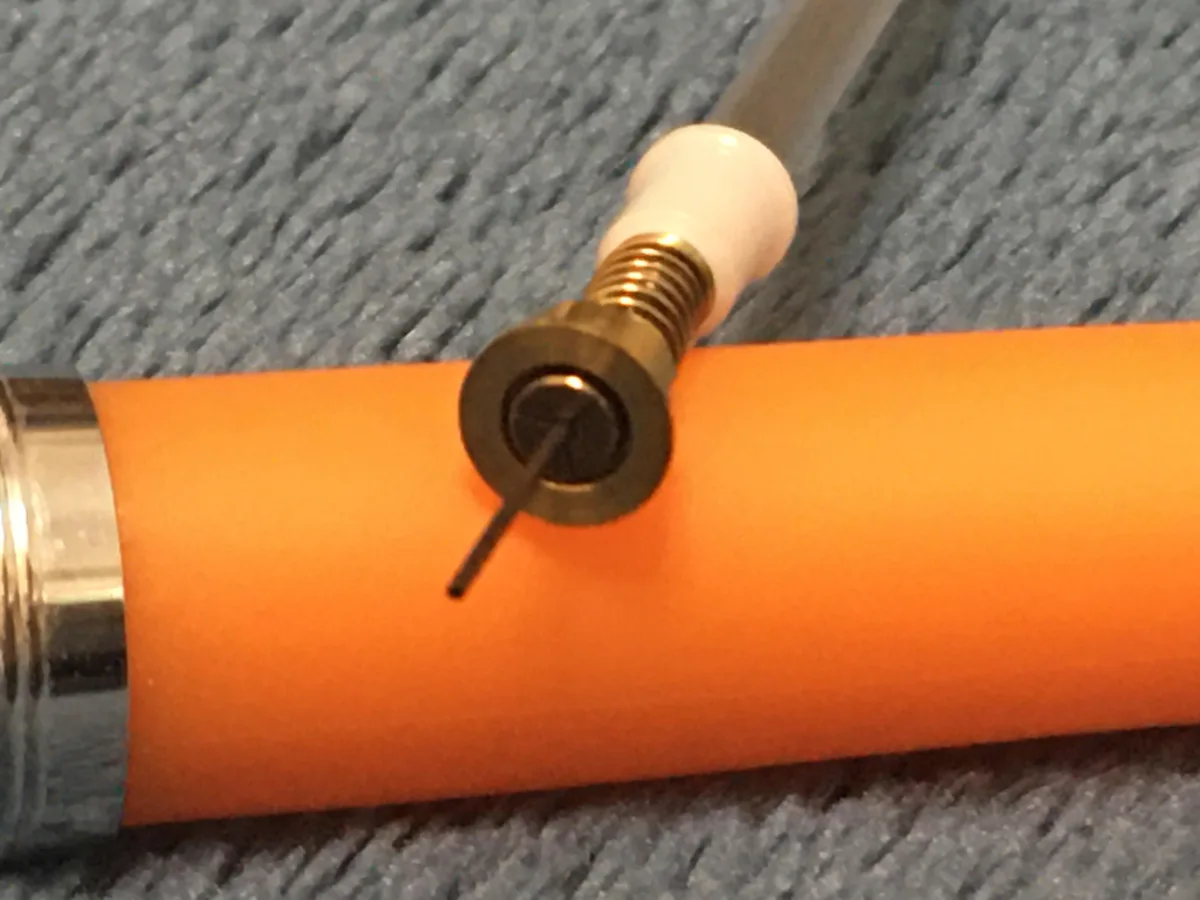
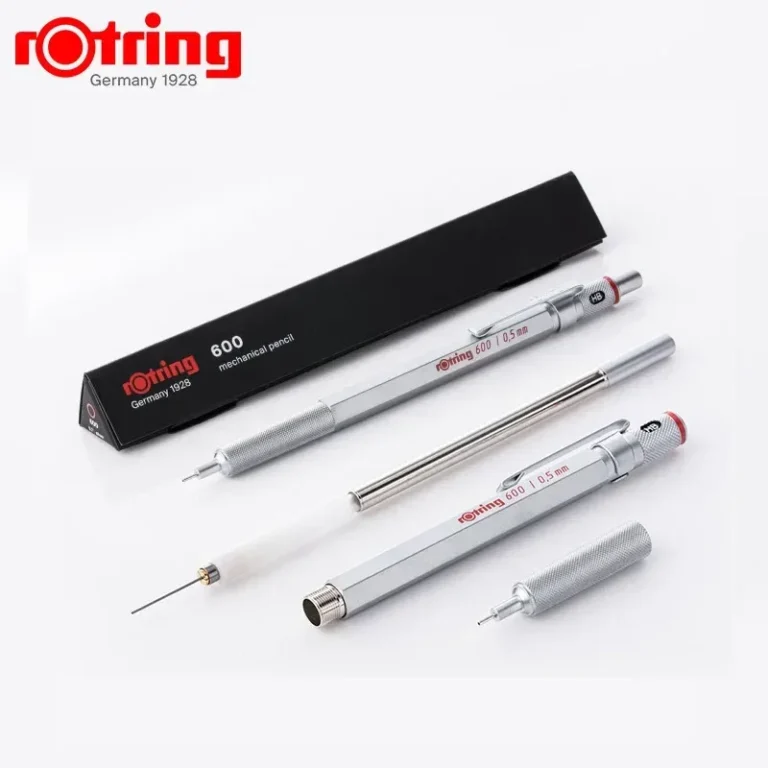
Every mechanical pencil relies on a tight internal system of tiny components working together. The lead sleeve guides the graphite down to the page without breaking. The clutch mechanism grips the lead inside the barrel and advances it with each click.
When a pencil fails, one of these specific parts usually gives out first.
The tiny jaws of the clutch wear down over time from friction against graphite and brass. Once those jaws lose their grip, the lead slips right through instead of holding firm. You can explore modern engineering standards set by ISO technical committees to see how precision parts are tested for wear.
| Component | Common Failure Mode | Typical Lifespan |
|---|---|---|
| Plastic Barrel | Cracking near the grip thread | 6 months to 2 years |
| Lead Clutch | Slipping jaws or jamming | 1 to 5 years |
| Lead Sleeve | Bending or snapping off | Dependent on drop frequency |
| Eraser Cap | Loss or thread stripping | Varies widely |
Price Tiers and Lifespan Realities: What You Get From $3 to $50
Price tags tell a clear story when it comes to mechanical pencils. Budget pencils costing under five dollars use lightweight plastics and stamped metal internal clips. They work fine for temporary note-taking, but they rarely survive a full academic year of heavy use.
Mid-range pencils sit comfortably between ten and twenty-five dollars, offering brass inner clutches and sturdier resin barrels. These strike the best balance between cost and durability for everyday writers and office workers. If you want a top-tier writing experience, browsing through our top-rated pencil collection reveals models designed to last for generations.
Premium drafting instruments cost upwards of thirty to sixty dollars. They feature solid brass bodies, retractable lead sleeves, and fully serviceable internal parts. If a part wears out on a high-end tool, you can often clean or adjust it rather than tossing the entire pencil in the trash.
The Real Culprits: Why Mechanical Pencils Fail Early
Lead jamming is the single biggest reason people throw away perfectly good pencils. Graphite breaks off inside the narrow tip, blocking new lead from feeding through the clutch. Trying to force another lead through the jam only wedges the broken piece tighter into the mechanism.
Dropping a pencil nose-first onto a hard floor is the second major killer. Even a minor fall can bend the steel lead sleeve just enough to block graphite advancement forever. Retractable sleeve designs help prevent this specific type of damage by pulling the tip inside the barrel when not in use.
Dirt, pocket lint, and graphite dust also accumulate inside the barrel over months of unmaintained use. This gritty buildup interferes with the spring tension behind the click mechanism. Cleaning out the inner magazine periodically keeps your pencil clicking smoothly year after year.
How to Make Your Mechanical Pencil Last a Lifetime
Protecting your investment starts with how you carry and store your writing tools. Always store your pencil in a dedicated pen case or pouch instead of dropping it loose into a backpack pocket. That simple habit prevents bent sleeves and cracked resin barrels.
Feed the correct lead diameter into your pencil every single time. Mixing a 0.5mm lead into a pencil designed for 0.7mm causes instant jamming and ruins the internal clutch. Using high-quality polymer lead also reduces internal residue buildup compared to cheap wax-based graphite alternatives.
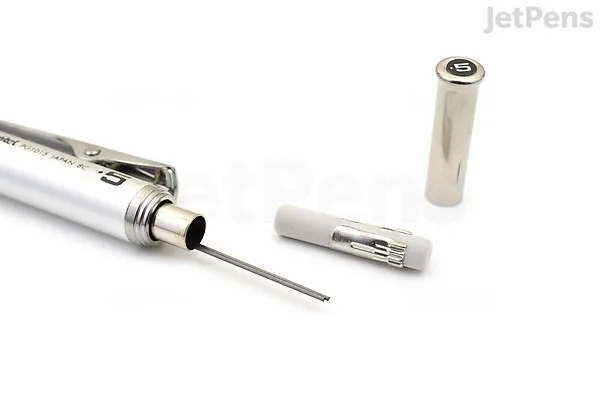
Clear out broken lead fragments immediately when a jam occurs. Remove the eraser, pull out the cleaning pin attached to the bottom of the eraser, and push it down through the tip. Taking two minutes to clear a blockage saves you from replacing a broken pencil prematurely.
Repairing Common Jams and Broken Leads Like a Pro
Fixing a jammed mechanical pencil takes just a few minutes if you use the right tool. Most quality writing instruments feature a thin cleaning wire tucked straight into the eraser assembly. Remove the cap and pull out that small metal pin to clear obstructions.
Insert the cleaning pin from the front tip while the clutch is open. This pushes any wedged graphite shards back up into the main barrel. Never jam a sewing needle or a thicker wire through the tip.
You risk widening the delicate brass opening or bending the internal guide pipe.
If your clutch still slips after clearing a jam, graphite residue is usually the culprit. Dip a cotton swab in rubbing alcohol and clean out the inner brass jaws. Let the metal dry completely before dropping fresh graphite back into the magazine.
Frequently Asked Questions About Mechanical Pencil Durability
Do mechanical pencils expire or degrade over time?
Metal and high-grade resin components do not expire. Cheap plastics become brittle after years of exposure to direct sunlight. Proper storage inside a closed desk drawer prevents premature material breakdown.
Can you replace broken internal parts on a mechanical pencil?
Many mid-range and premium drafting models feature modular replacement parts. Manufacturers often sell replacement lead sleeves and click caps directly to consumers. Budget plastic pencils are usually sealed units that require complete replacement.
Why does my mechanical pencil keep breaking lead inside the tip?
Using low-grade or unevenly extruded graphite causes frequent internal snapping. A slightly bent lead sleeve will also crack every stick of graphite you try to advance. Check the tip under a magnifying glass to verify proper alignment.
Is it worth repairing an expensive mechanical pencil?
Servicing a professional metal drafting tool makes financial sense when parts wear out. Cleaning the clutch or swapping a bent tip costs far less than buying a new model. Most high-end units last a lifetime with minor routine upkeep.