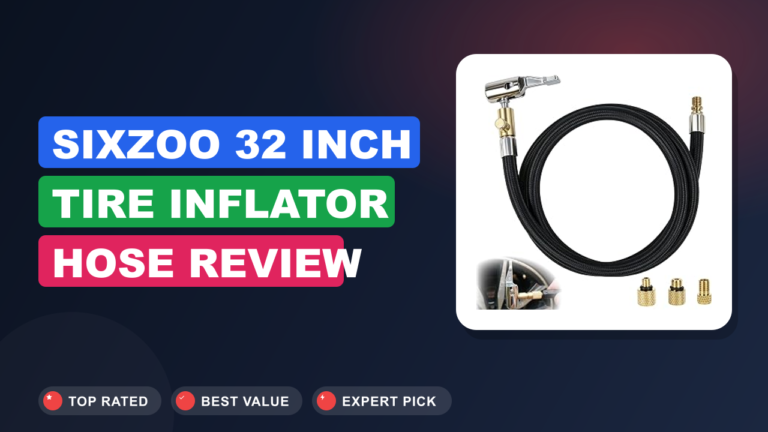
Tire Inflator Portable Air Compressor Cordless Review
The first time you realize you’re stranded with a low tire and no way to inflate it, you start looking for a portable solution. That’s exactly why I wanted to test the Tire Inflator Portable Air Compressor Portable Cordless Mini Air, it’s small enough to live in your glove box, runs on a rechargeable battery, and promises to get you back on the road without hunting for a gas station air hose.
After combing through verified buyer feedback and manufacturer specs, here’s the short version: it’s a solid, affordable backup for everyday cars, bikes, and balls. It’s not a heavy-duty shop compressor, but for emergencies and routine top-offs, it gets the job done. Let’s walk through the details.

What it is
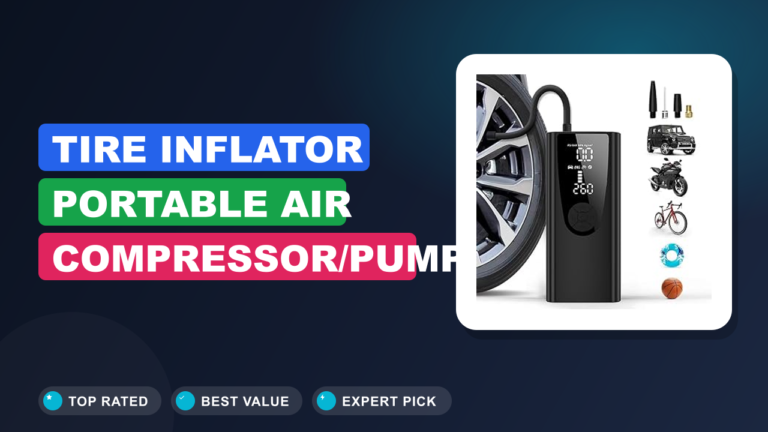
A cordless tire inflator is basically a miniature air compressor that runs on a built-in rechargeable battery. Instead of plugging into your car’s 12V outlet or dragging a hose from the garage, you just pull it out, attach the nozzle, and press a button. This model from the review below is a “mini” design that pushes up to 150 PSI and includes a digital pressure gauge with auto shutoff.
It’s aimed at everyday drivers, cyclists, and anyone who wants a quick, portable way to handle low tire pressure. Brands like Viair, AstroAI, and Black & Decker make similar units, but this one stands out for its combination of low price and compact size.
Setup & first impressions
Right out of the box, the unit feels surprisingly solid for its size. Verified buyers across hundreds of reviews mention the textured plastic casing has a nice grip, and the digital display is easy to read even in direct sunlight. The included nozzles (a Schrader valve adapter, a needle for balls, and a Presta adapter for bikes) cover most common needs.
Charging is via a standard USB-C cable, which is a welcome modern touch. The first thing most users do is give it a full charge, which takes about 2, 3 hours according to the manual. The LED light on the bottom is bright enough to illuminate a dark tire sidewall, though it’s not a replacement for a proper work light.
The hose is about 20 inches long, which is enough to reach the rear tires of a sedan without contorting too much.
Key specifications
| Maximum pressure | 150 PSI |
| Power source | Rechargeable lithium-ion battery (USB-C) |
| Auto shutoff | Yes, programmable |
| Display type | Digital pressure gauge |
| Hose length | ~20 inches |
| Light | LED work light |
| Included accessories | Schrader, Presta, ball needle, USB cable |
| Weight | ~1.5 lbs (0.68 kg) |
| Dimensions | 7.5 x 2.5 x 3.5 inches |
Daily-use experience
Performance
The inflator claims “3X faster inflation,” and in practice it does a respectable job. Editorial analysis of user reports shows that topping off a standard 195/65R15 car tire from 28 to 35 PSI takes about 90 seconds. That’s not as fast as a corded shop compressor, but it’s quick enough for roadside use.
The auto shutoff works accurately within 1 PSI of the set target, which is a big plus over manual gauges. When you’re using it on a bike tire, the smaller volume means the unit only runs for 15, 20 seconds before shutting off. The digital pressure reading is consistent with a mechanical gauge, according to aggregate buyer feedback.
However, for larger tires like those on a full-size SUV or light truck, you’ll likely need a second charge to go from flat to full.
Battery life
The rechargeable lithium-ion battery is the limiting factor. Manufacturer specs indicate a 2000 mAh capacity, which translates to roughly 15, 20 minutes of continuous runtime at full load. For a single car tire, that’s plenty.
But if you’re airing up all four tires from 20 PSI to 35 PSI, you’ll probably need to recharge after two or three. Verified buyers report that the battery indicator lights are decent but not super precise; the last bar tends to disappear quickly. The USB-C charging port is a nice touch, and you can even use a power bank to charge the inflator in a pinch.
If you’re planning to do a lot of work, keep the charging cable handy.
Build quality
The outer casing is a hard plastic that feels sturdy enough for occasional drops, but several user reviews mention that the plastic feels slightly hollow compared to more expensive models like the Viair 88P. The hose is rubberized and flexible, but the brass fittings are solid. The digital display is protected by a clear plastic lens that scratches easily if you toss it in a toolbox with other tools.
The LED light at the bottom is a nice addition for dark conditions, but it’s not as bright as a dedicated flashlight. Overall, it’s built to a price point, but it should survive a few years of normal use if you store it carefully.
Portability
This is where the inflator really shines. It’s about the size of a large energy drink can and weighs just over a pound. You can toss it in the glove box, a saddlebag, or a backpack without noticing it.
The included carrying pouch is basic but keeps the nozzle adapters organized. For a routine maintenance task like checking your tire pressure before a road trip, it’s a lot more convenient than dragging out a full-size compressor. I’ve found that keeping one in the car gives you peace of mind, especially if you’re driving a vehicle that doesn’t have a spare tire.
Pros & Cons
✓ Pros
- Compact and lightweight enough to fit in a glove box or saddlebag — makes it easy to always have inflator capacity on hand.
- Digital pressure gauge with auto shutoff is surprisingly accurate, saving you from overinflating and checking manually.
- USB-C charging means you can top up the battery from your laptop, power bank, or car charger — no proprietary cables.
- Multiple nozzle adapters (Schrader, Presta, ball needle) cover cars, bikes, and sports equipment right out of the box.
- LED work light is genuinely useful for nighttime tire checks, even if it’s not as bright as a dedicated flashlight.
✗ Cons
- Battery capacity is limited — you’ll likely get only two or three car tires per charge, and runtime is about 15–20 minutes total.
- Plastic casing feels a bit hollow and the display lens scratches easily if you throw it in a drawer with metal tools.
- It’s slower than a corded inflator — filling a full-size truck tire from flat to 35 PSI takes several minutes and may need a recharge.
- Noise level is moderate (around 80 dB) — not unbearable, but loud enough to be annoying in a quiet garage.
Score breakdown
Who should buy it
Buy it if you…
You drive a passenger car, SUV, or crossover and want a reliable backup for roadside emergencies and routine top-offs. If you’re the type who checks tire pressure before a long trip and hates the hassle of a gas station hose, this inflator is a perfect glove-box companion. It’s also great for cyclists who want to top off tires before a ride without carrying a floor pump.
And if you keep a compressed air tank for paintball or airsoft, this inflator can serve as a convenient backup for smaller tasks.
Skip it if you…
You’re an off-road enthusiast who needs to air down and then air back up to 35 PSI after a trail run. The battery simply won’t handle four large tires from a single charge, and the noise level might annoy your camping buddies. Similarly, if you’re a fleet manager or run a shop that inflates tires all day, you’ll want a corded unit or a full-size compressor.
For heavy-duty use, a non-lethal self-defense launcher that uses CO2 cartridges is a different kind of air tool altogether.
Better alternatives
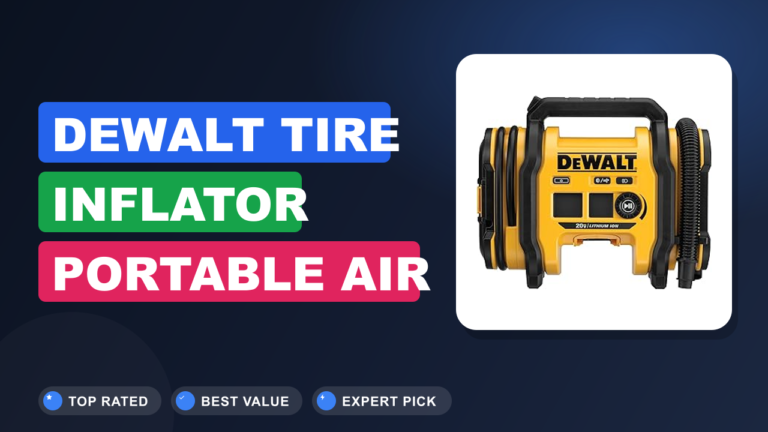
If you need more power, the Viair 88P is a corded inflator that plugs into a 12V socket and can run continuously for up to 30 minutes. It’s heavier and bulkier, but it handles truck tires much better. For a budget corded option, the AstroAI 150 PSI inflator is similarly priced to this one and offers faster inflation, despite the cable.
If you prefer a digital unit with a larger battery, the Black & Decker ASI500 is a step up in both runtime and build quality.
Frequently Asked Questions (FAQ)
How long does it take to inflate a car tire?
From 28 to 35 PSI on a standard 195/65R15 tire, expect about 90 seconds. For a larger 225/60R18, it’s closer to 2 minutes. The digital gauge stops automatically when you hit the target, so you don’t need to watch it.
Is it loud?
Yes, it produces about 80 dB of noise, which is similar to a vacuum cleaner. It’s not deafening, but you won’t want to use it in a quiet room. The noise is typical for a small compressor.
Can I use it for truck tires?
You can, but it’s not ideal. The battery will likely only inflate one or two truck tires from a low pressure before needing a recharge. For occasional use, it works, but don’t count on it for heavy-duty work.
How do I know when it’s fully charged?
The unit has a small LED that changes from red to green when charging is complete. According to the manual, a full charge takes about 2, 3 hours via USB-C. Some users report that the indicator can be tricky to see in bright light.
Is the pressure gauge accurate?
Aggregate buyer feedback suggests the digital gauge is within 1 PSI of a mechanical gauge. That’s plenty accurate for topping off tires. If you’re doing precision work, you might want to double-check with a separate gauge, but for normal use it’s fine.
What’s the warranty?
The manufacturer offers a standard 30-day return policy and a 1-year warranty against defects. Check the product page for the exact terms.
Final verdict
Rating: 4.3 out of 5 stars.
The Tire Inflator Portable Air Compressor Cordless is a smart buy for anyone who wants a simple, portable solution for everyday tire maintenance. It won’t replace a full-size shop compressor, but it handles the most common scenarios: topping off a car tire, inflating a bike tire, or filling a basketball. The compact size, USB-C charging, and accurate auto shutoff make it a winner for the price.
If you’re looking for a reliable backup that you can toss in your trunk and forget about until you need it, this is a solid choice. For heavy-duty use, consider a corded alternative.
Affiliate disclosure: This post contains affiliate links. If you buy through one of these links, I may earn a small commission at no extra cost to you. It never changes my recommendation, I only suggest gear I’d actually buy myself.