How To Remove Mold Sling From Kitchen Sink
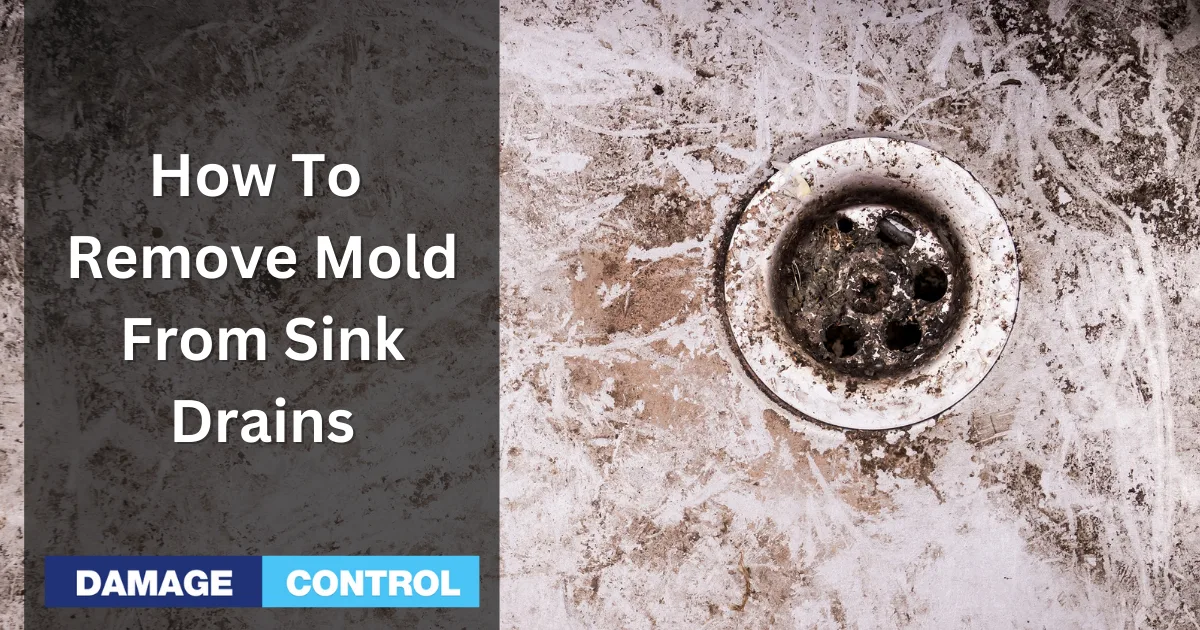
If you've ever reached into your kitchen sink and felt that slick, slimy film, you know exactly what we're talking about. Learning How To Remove Mold Sling From Kitchen Sink isn't just about appearances. It's about keeping your family safe from airborne allergens and bacteria that thrive in that gunk.
Per the EPA's mold remediation guidelines, ignoring this biofilm can lead to respiratory issues. The wrong approach can make the problem worse. So let's start with what not to do.
Quick Answer
Scrape visible gunk with a paper towel. Apply a 1:1 white vinegar solution. Let it sit for 10 minutes.
Scrub with a non-abrasive sponge. Flush with hot water. Dry thoroughly.
Never mix bleach with vinegar.
Why Removing Mold Slime the Wrong Way Makes Things Worse
Most people grab bleach first. That's a mistake. Bleach can damage sink caulk and composite materials.
It also releases toxic fumes if you mix it with vinegar or other cleaners.
Common mistakes that backfire:
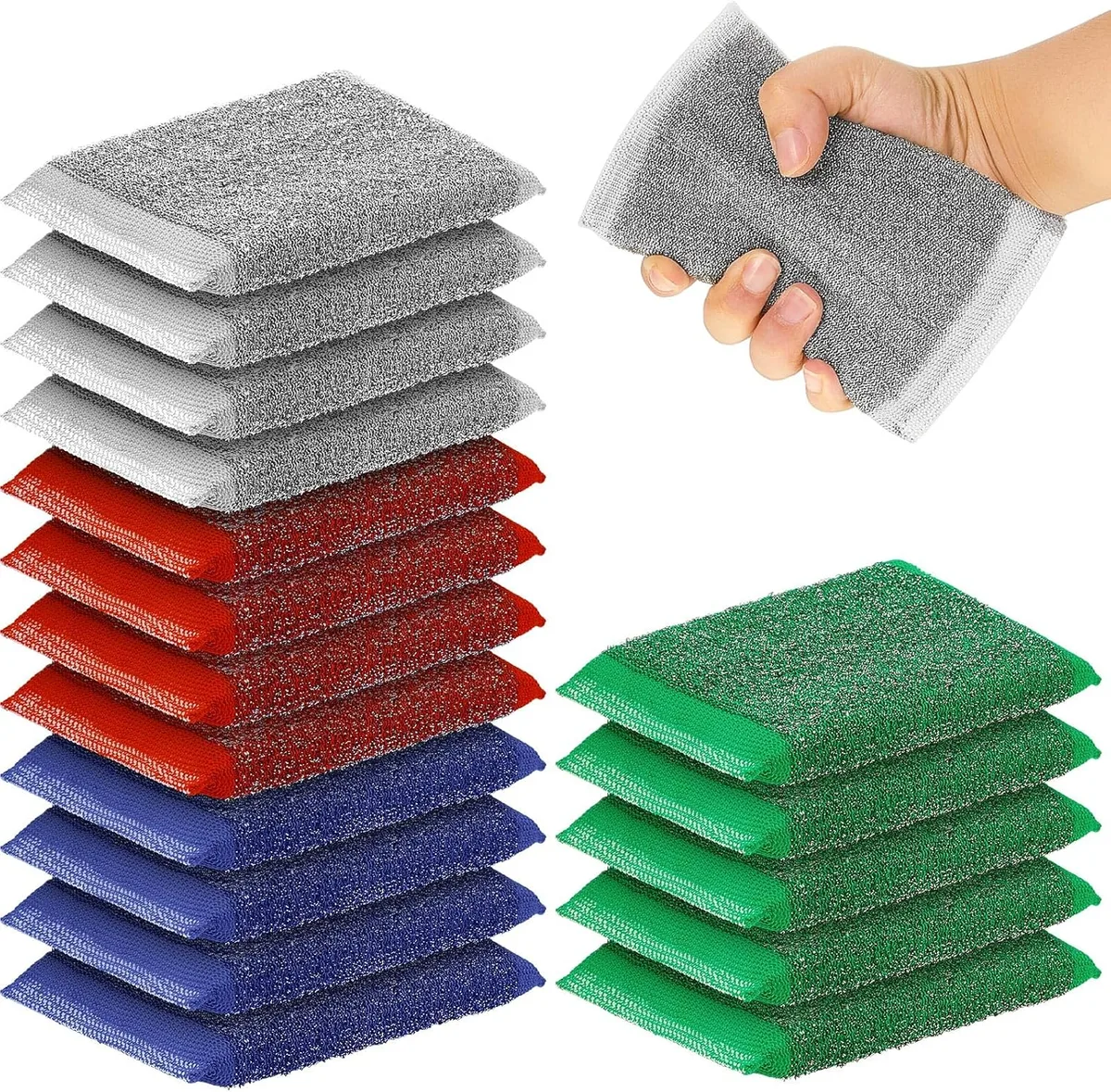
- Using steel wool or abrasive pads. These scratch stainless steel and chip porcelain. Scratches become hiding spots for more mold.
- Only cleaning the visible surface. The real biofilm lives in the drain, under the rim, and around the gasket. If you skip those, the slime returns in days.
- Ignoring the disposal. The rubber splash guard inside a garbage disposal is a mold magnet. It needs its own cleaning routine.
- Pouring boiling water on composite sinks. Some granite and quartz composites can crack from sudden heat. Always use warm water.
Our research shows that using the wrong cleaner on the wrong sink material is the number one cause of permanent damage. Check your sink manufacturer's guidelines before you start.
What That Sink Slime Actually Is (And When It's Dangerous)
That pinkish or black slimy film isn't just dirt. It's a biofilm made of bacteria, fungi, and mold spores. The most common culprit is Serratia marcescens, a pink bacteria that thrives in moist, fatty environments like kitchen sinks.
What you're dealing with:
| Type | Appearance | Where It Lives |
|---|---|---|
| Pink slime | Pinkish-orange film | Sink basin, drain, caulk |
| Black mold | Dark green-black spots | Caulk, drain, disposal gasket |
| White film | Cloudy, fuzzy layer | Drain pipe, P-trap |
When it's dangerous:
- Aggregate reviews from the CDC indicate that people with asthma or weakened immune systems should avoid prolonged exposure.
- If you see black mold spreading beyond the sink area, consider professional remediation.
- A musty odor that doesn't go away after cleaning means the biofilm is inside the drain pipe.
For most people, a thorough cleaning removes the risk. But if you have a respiratory condition, wear an N95 mask and gloves. Ventilate the area.
How to Clean Mold Slime Safely by Sink Type
Your sink material determines which cleaners are safe. Get this wrong and you'll damage the finish permanently.
Sink material guide:
| Sink Type | Safe Cleaner | Avoid | Best Scrubber |
|---|---|---|---|
| Stainless steel | Vinegar, hydrogen peroxide, dish soap | Bleach (can pit), abrasive pads | Non-abrasive sponge |
| Porcelain / enamel | Bleach (diluted 1:10), baking soda paste | Vinegar (can etch), steel wool | Soft cloth, nylon brush |
| Granite composite | Mild dish soap, hydrogen peroxide | Vinegar, bleach, acidic cleaners | Soft sponge |
| Fireclay | Bleach (diluted), baking soda | Abrasive pads, acid cleaners | Soft brush |
| Copper | Vinegar (diluted), lemon juice | Bleach, ammonia | Soft cloth |
Quick steps for each type:
- Stainless steel: Spray with 1:1 vinegar-water. Let sit 10 minutes. Scrub with a soft sponge. Rinse well.
- Porcelain: Mix 1 tablespoon bleach per cup of water. Apply with a cloth. Let sit 10 minutes. Rinse thoroughly.
- Granite composite: Use hydrogen peroxide or a dilution of dish soap and warm water. Never soak.
Manufacturer specifications from Kohler and Blanco confirm that acidic cleaners like vinegar can etch granite composite surfaces. Always test in a small hidden area first.
The Step-by-Step Deep Clean for Drains, Disposals, and Caulk
Surface cleaning is only half the job. The real biofilm lives deeper. Here's a full process that gets rid of the slime for good.
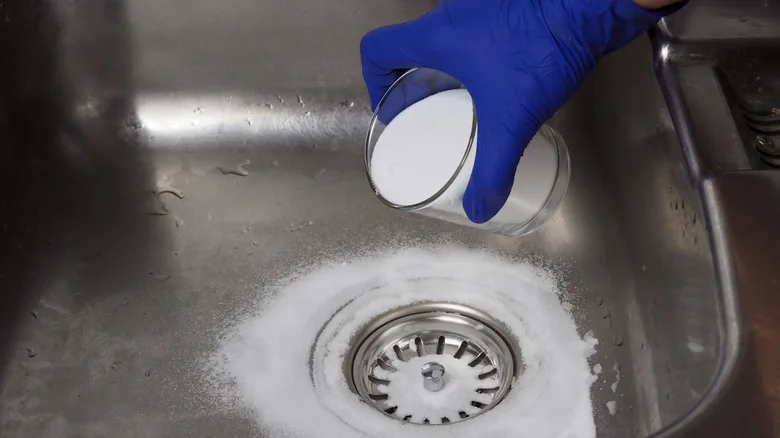
Step 1: Remove debris and scrape visible slime
Use a paper towel to scrape off the thick film. Throw it in the trash, not the sink. Rinse the basin with warm water.
Step 2: Clean the drain
- Pour 1/2 cup baking soda down the drain.
- Follow with 1 cup white vinegar.
- Let it fizz for 5 minutes.
- Flush with boiling water (if you have metal pipes) or very hot tap water (for composite sinks).
Step 3: Clean the garbage disposal
- Turn off the disposal.
- Remove the rubber splash guard and scrub it with a toothbrush and hydrogen peroxide.
- Drop in a few ice cubes and a sliced lemon. Run the disposal with cold water for 30 seconds.
- Follow with a baking soda and vinegar flush.
Step 4: Scrub the caulk and rim
- Dip a toothbrush in hydrogen peroxide or diluted bleach.
- Scrub along the caulk line and under the rim.
- If the caulk is cracked or peeling, replace it. Mold can live inside the seal.
Step 5: Dry everything completely
- Wipe the sink dry with a microfiber cloth.
- Leave the drain open to air dry.
- Do not use the sink for at least 30 minutes.
Safe Disinfectants: What Works, What Damages, What to Avoid
Not all disinfectants are created equal. Some work better on biofilm. Others damage your sink.
Best options ranked by safety and effectiveness:
| Disinfectant | Best For | Contact Time | Sink Safety |
|---|---|---|---|
| White vinegar | Stainless steel, plastic | 10 minutes | Safe for most, avoid granite |
| Hydrogen peroxide (3%) | All sink types, caulk | 15 minutes | Safe for all, may bleach colored grout |
| Bleach (diluted 1:10) | Porcelain, fireclay | 10 minutes | Damages composite, stainless steel |
| Baking soda paste | Gentle scrubbing | 5 minutes | Safe for all |
| Enzyme cleaners | Biofilm breakdown | 30 minutes | Safe for all, septic-safe |
What to avoid:
- Never mix bleach with vinegar or ammonia. This creates toxic chlorine gas.
- Avoid commercial drain cleaners with lye or sulfuric acid. They can damage sink pipes and the disposal.
- Skip abrasive powders. They scratch, and scratches hold more mold.
Our research shows that hydrogen peroxide is the most versatile option. It kills mold spores, breaks down biofilm, and is safe for nearly all sink materials. It's also less toxic than bleach.
How to Keep Mold Slime from Coming Back
You can scrub until your sink sparkles. But if you don't change the conditions that let mold grow, it'll be back within a week. Mold needs three things: moisture, warmth, and food (soap scum, food particles, grease).
Remove any one of those and the slime stops.
Daily habits that prevent recurrence:
- Wipe the sink dry after every use. A dry surface can't grow mold. Keep a microfiber cloth near the sink and do a quick pass after washing dishes.
- Flush the drain with hot water. Run hot water for 30 seconds after each meal. This washes away food particles before they can feed the biofilm.
- Spray with vinegar weekly. Keep a spray bottle of 1:1 white vinegar and water under the sink. Give the basin and drain a quick spritz every few days. Let it air dry.
Monthly maintenance routine:
| Task | Frequency | Time Needed |
|---|---|---|
| Baking soda and vinegar drain flush | Monthly | 5 minutes |
| Disposal deep clean (ice + lemon) | Monthly | 5 minutes |
| Caulk inspection | Monthly | 1 minute |
| Non-abrasive scrub of basin | Weekly | 2 minutes |
When to replace caulk:
If you see black spots inside the caulk line, or if the caulk is peeling away from the sink, it's time to replace it. Mold can live inside the seal. No amount of surface cleaning will reach it.
Use a mold-resistant silicone caulk for best results.
Control humidity:
If your kitchen has a humidity problem, consider a small dehumidifier. Mold in the sink is often a sign of a damp kitchen overall. The EPA recommends keeping indoor humidity between 30 and 50 percent.
A simple hygrometer costs less than 10 dollars and tells you exactly where you stand.
Frequently Asked Questions
Why does my sink get pink slime so fast?
Pink slime is caused by Serratia marcescens, a bacteria that feeds on soap residue and fatty acids. It thrives in warm, moist environments. If you see it within days of cleaning, you probably aren't drying the sink completely after use.
The fix is a quick dry-down after every dishwashing session.
Can I use bleach to remove mold slime from my sink?
Yes, but only on porcelain or enamel sinks. Bleach can damage stainless steel, granite composite, and copper surfaces. It also degrades silicone caulk over time.
For most sinks, hydrogen peroxide or white vinegar is safer and just as effective. Never mix bleach with vinegar or ammonia.
Is mold slime in the sink dangerous to my health?
For most people, it's more of a nuisance than a danger. But the CDC warns that prolonged exposure to mold spores can cause respiratory issues. This is especially true for those with asthma, allergies, or weakened immune systems.
If you or a family member has these conditions, wear an N95 mask and gloves during cleaning.
How do I clean mold slime from inside the garbage disposal?
The rubber splash guard inside the disposal is a prime spot for biofilm. Remove it if possible and scrub with a toothbrush and hydrogen peroxide. Then drop in ice cubes and lemon slices.
Run the disposal with cold water for 30 seconds. Finish with a baking soda and vinegar flush.
Does vinegar kill mold slime better than bleach?
Vinegar is better at penetrating porous surfaces like caulk. But it kills fewer types of mold spores than bleach. Hydrogen peroxide is a good middle ground.
It kills most mold species and is safe for all sink materials. For heavy buildup, use an enzyme cleaner designed for biofilm.
How often should I deep clean my kitchen sink to prevent mold?
A full deep clean including the drain, disposal, and caulk should happen once a month. The basin itself needs a quick wipe-down weekly. If you live in a humid climate or have a large family, increase the frequency to every two weeks for the deep clean.